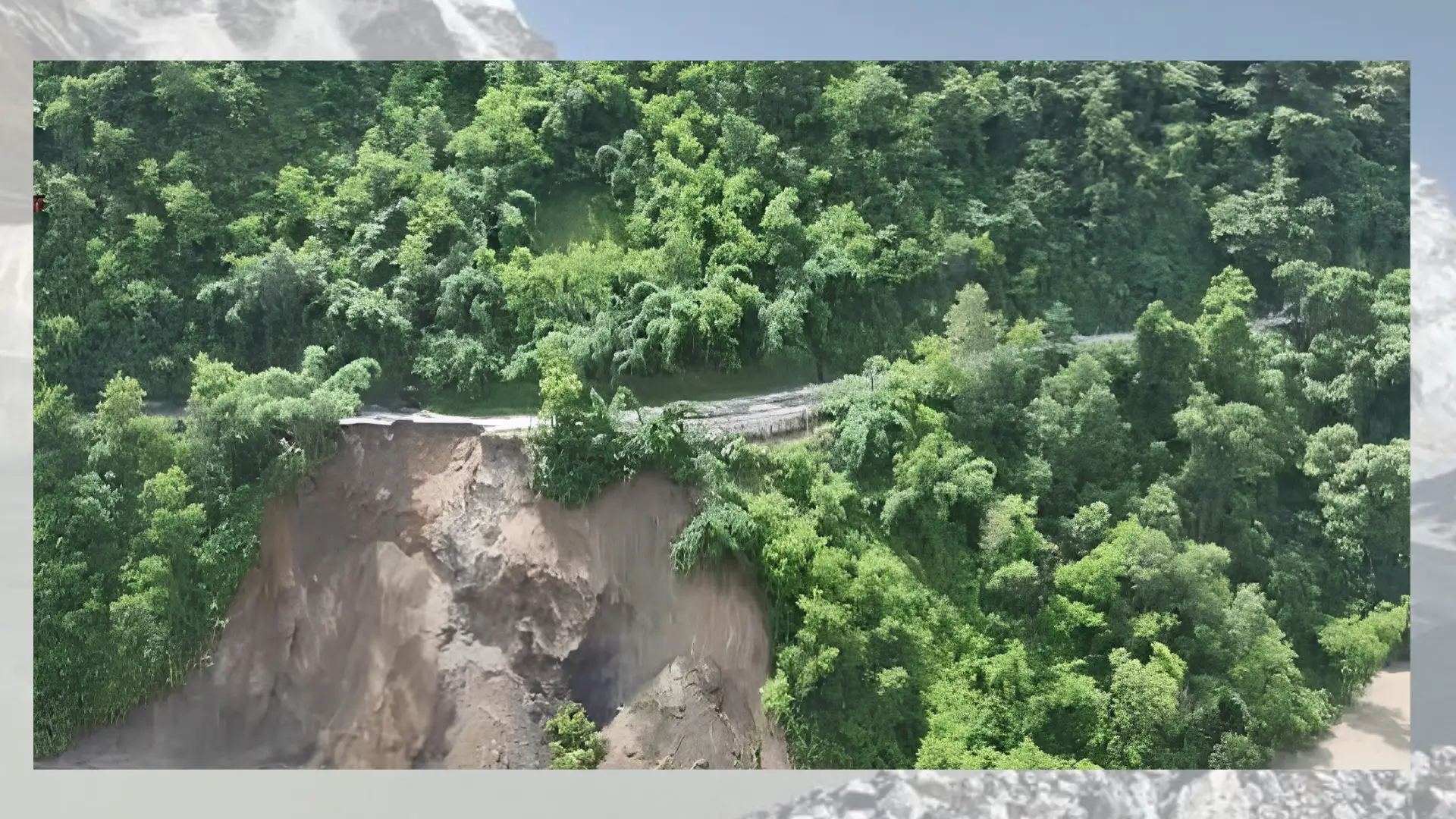
त्रिशूली नदीको कटानले राजधानी भित्रिने मुख्य नाका मुग्लिन–काठमाडौं सडकखण्ड अवरुद्ध हुँदा उपत्यकाको आपूर्ति प्रणाली प्रभावित भएको छ। सडक बन्दका कारण तराई तथा भारतबाट चामल, दाल, तेल र तरकारी बोकेर आएका सयौं मालवाहक गाडीहरू बीच बाटोमै रोकिएका छन्। मुख्य लाइफलाइन मानिने राजमार्ग ठप्प भए पनि काठमाडौंमा तत्काल खाद्यान्न र पेट्रोलियम पदार्थको हाहाकार भने नहुने सम्बन्धित निकायले जनाएका छन्।
नेपाल चामल, तेल, दाल उद्योग संघका अनुसार उपत्यकाका गोदाममा अहिले दुईदेखि तीन महिनालाई धान्ने चामल मौज्दात छ। संघका सदस्य विभोर अग्रवालले अन्य अत्यावश्यक खाद्यान्नको स्टक पनि कम्तीमा १५ दिनदेखि एक महिनासम्मलाई पर्याप्त रहेको जानकारी दिए। सडक एक सातादेखि १० दिनसम्म बन्द भए पनि बजारमा ठूलो असर नपर्ने तर यो अवस्था लम्बिएमा भने न्यून आय भएका उपभोक्ता मारमा पर्ने उनको भनाइ छ।
पेट्रोलियम पदार्थ र खाना पकाउने ग्यासको आपूर्ति सहज बनाउन नेपाल आयल निगमले वैकल्पिक बाटो प्रयोगमा ल्याउने भएको छ। निगमका कार्यकारी निर्देशक नागेन्द्र साहका अनुसार अमलेखगञ्ज डिपोमा पर्याप्त इन्धन रहेकाले अब हेटौंडा हुँदै काठमाडौं आउने वैकल्पिक मार्गबाट इन्धन ढुवानी गरिनेछ। यसबाट उपत्यकामा ग्यास तथा पेट्रोलियम पदार्थको अभाव सिर्जना हुन नपाउने निगमले आश्वस्त पारेको छ।
The supply chain to the capital has been heavily disrupted after erosion by the Trishuli River blocked the Muglin-Kathmandu section of the Prithvi Highway, Kathmandu's main lifeline. As a result, hundreds of cargo vehicles carrying essential goods—including rice, lentils, oil, and vegetables from the Terai region and India—are stranded en route. Despite the major highway closure, authorities and business sectors have assured the public that the Kathmandu Valley will not face an immediate shortage of food or fuel.
According to the Nepal Rice, Oil, and Pulses Industry Association, warehouses in the valley currently hold enough rice stock to last two to three months. Association member Bibhor Agarwal stated that other essential groceries are also sufficiently stocked for 15 days to a month. While a blockage of a week to 10 days will not drastically impact the market, Agarwal warned that a prolonged closure could severely affect daily wage earners and low-income consumers, urging the government to expedite road repairs.
To prevent any crisis regarding petroleum products and cooking gas, the Nepal Oil Corporation (NOC) is activating alternative transport routes. NOC Executive Director Nagendra Sah confirmed that fuel will now be transported to Kathmandu via Hetauda. Since the Amlekhgunj depot remains adequately supplied through direct pipelines from India, the NOC has guaranteed that there will be no scarcity of fuel or LPG in the capital.