NEPSEtrading

Make smarter moves backed by machine learning. Join thousands of traders leveraging AI to maximize profits.

nepsetrading.com is an online news portal that provides insights into trading and investment by analyzing the stock market and the global economy. We create charts based on the analysis of various indicators. Please do not rely solely on this information for investment decisions. Self-study is crucial. Use this information only as an educational and informational resource.

Marketminds Investment Group Private Limited

DOIB Registration certificate no.: 4680-2081/2082

Director & Editor-in-chief: Dipesh Ghimire · 9802363868, 9851119988

Koteshwor 32, Kathmandu
01-5253221 · +977 9709066745

Contact support

Subscribe to our newsletter

Weekly insights from the NEPSE market in your inbox.

Market

  • Stocks
  • Sectors

Company

  • About Us
  • Our Team
  • Terms of Use
  • Our Policy
  • Training
  • Contact Us

Help

  • Support
  • Report
  • FAQ

© 2026 nepsetrading.com. All rights reserved.
Owned and operated by Marketminds Investment Group Private Limited.

Charts powered by TradingView

  • Home
  • Latest
  • Trending
  • Stock
  • Education
  • International
    1. News
    2. Investor
    3. Private Sector Credit Growth Remains Sluggish in Second Quarter
    निजी क्षेत्रतर्फ कर्जा विस्तार सुस्त, दोस्रो त्रैमासमा अपेक्षित गति नआएको संकेत
    Investor
    2 min read
    Published on February 3, 2026
    NEPSE TRADING

    निजी क्षेत्रतर्फ कर्जा विस्तार सुस्त, दोस्रो त्रैमासमा अपेक्षित गति नआएको संकेतPrivate Sector Credit Growth Remains Sluggish in Second Quarter

    काठमाडौँ— चालु आर्थिक वर्षको दोस्रो त्रैमासमा बैंक तथा वित्तीय संस्थाबाट निजी क्षेत्रतर्फ प्रवाहित कर्जामा अपेक्षित वृद्धि हुन सकेको छैन। नेपाल राष्ट्र बैंक का अनुसार चालु आवको पुस मसान्तसम्म निजी क्षेत्रमा प्रवाहित कर्जा ३.६ प्रतिशत अर्थात् १ खर्ब ९७ अर्ब ४७ करोड रुपैयाँले बढेर ५६ खर्ब ९५ अर्ब १७ करोड रुपैयाँ पुगेको छ। अघिल्लो वर्षको सोही अवधिसँग तुलना गर्दा कर्जा विस्तारको गति सुस्त देखिएको हो।

    कर्जा प्रवाहको संरचना हेर्दा वाणिज्य बैंकहरूको कर्जा ३.७ प्रतिशतले बढेको छ भने विकास बैंकको कर्जा २.९ प्रतिशत र वित्त कम्पनीहरूको कर्जा प्रवाह १.२ प्रतिशतले मात्र वृद्धि भएको छ। यसले बैंकिङ प्रणालीमा तरलता उपलब्ध भए पनि निजी क्षेत्रको कर्जा माग अझै कमजोर रहेको संकेत गर्छ।

    धितोको आधारमा हेर्दा पुस मसान्तमा बैंक तथा वित्तीय संस्थाहरूको कुल कर्जामध्ये चालु सम्पत्ति (कृषि तथा गैरकृषिजन्य वस्तु) धितोमा आधारित कर्जाको हिस्सा १५ प्रतिशत पुगेको छ। घरजग्गा धितोमा प्रवाहित कर्जाको हिस्सा ६३.९ प्रतिशत रहेको छ। २०८१ पुस मसान्तमा यस्ता धितोमा आधारित कर्जाको अंश क्रमशः १४.५ प्रतिशत र ६४.९ प्रतिशत रहेको थियो, जसले घरजग्गा धितोमा आधारित कर्जा अझै प्रमुख रूपमा रहेको देखाउँछ।

    क्षेत्रगत रूपमा चालु आर्थिक वर्ष २०८२/८३ को पहिलो छ महिनामा उपभोग्य क्षेत्रतर्फ कर्जा ९.१ प्रतिशतले बढेको छ। निर्माण क्षेत्रमा ७.२ प्रतिशत, यातायात, सञ्चार तथा सार्वजनिक सेवातर्फ ६.२ प्रतिशत र औद्योगिक उत्पादनतर्फ ४.४ प्रतिशतले कर्जा वृद्धि भएको छ। वित्त, बीमा तथा अचल सम्पत्तितर्फ १.१ प्रतिशत र सेवा उद्योगतर्फ ०.९ प्रतिशतले मात्र कर्जा बढेको छ। यस अवधिमा कृषि क्षेत्रतर्फको कर्जा भने १.१ प्रतिशतले घटेको राष्ट्र बैंकले जनाएको छ।

    कर्जाको प्रकृतिअनुसार हेर्दा छ महिनाको अवधिमा मार्जिन प्रकृतिको कर्जा ८.३ प्रतिशतले बढेको छ। ट्रस्ट रिसिट (आयात) कर्जा ७.८ प्रतिशत, हायर पर्चेज ७.३ प्रतिशत, क्यास क्रेडिट ३ प्रतिशत, माग तथा अन्य चालु पुँजी २.९ प्रतिशत, रियल इस्टेट (व्यक्तिगत आवासीय घर कर्जासमेत) २.५ प्रतिशत र आवधिक कर्जा २.४ प्रतिशतले वृद्धि भएको छ। यद्यपि, अधिविकर्ष कर्जा भने ३.३ प्रतिशतले घटेको छ।

    राष्ट्र बैंकका अनुसार गत आर्थिक वर्षको सोही अवधिमा निजी क्षेत्रतर्फ प्रवाहित कर्जा २ खर्ब ६५ अर्ब ५६ करोड रुपैयाँले बढेको थियो। वार्षिक विन्दुगत आधारमा २०८२ पुस मसान्तमा निजी क्षेत्रतर्फको कर्जा ६.७ प्रतिशतले वृद्धि भएको देखिन्छ, तर अघिल्ला वर्षहरूको तुलनामा यो वृद्धिदर कमजोर मानिन्छ।

    संरचनागत रूपमा हेर्दा पुस मसान्तसम्म निजी क्षेत्रतर्फ प्रवाहित कुल कर्जामध्ये गैरवित्तीय संस्थागत क्षेत्रको हिस्सा ६२.७ प्रतिशत रहेको छ भने व्यक्तिगत तथा घरपरिवार क्षेत्रको अंश ३७.३ प्रतिशत छ। गत आवको सोही अवधिमा यस्तो अंश क्रमशः ६४.२ प्रतिशत र ३५.८ प्रतिशत रहेको थियो, जसले संस्थागत क्षेत्रतर्फको कर्जा हिस्सा क्रमशः घट्दै गएको संकेत गर्छ।

    विश्लेषकहरूका अनुसार ब्याजदर न्यून तहमा झरे पनि निजी क्षेत्रको लगानी आत्मविश्वास अझै पूर्ण रूपमा फर्किन नसक्दा कर्जा विस्तार सुस्त बनेको हो। उत्पादन, उद्योग र कृषि क्षेत्रमा लक्षित नीतिगत प्रोत्साहन प्रभावकारी हुन सके आगामी महिनामा कर्जा प्रवाहले गति लिन सक्ने अपेक्षा गरिएको छ।
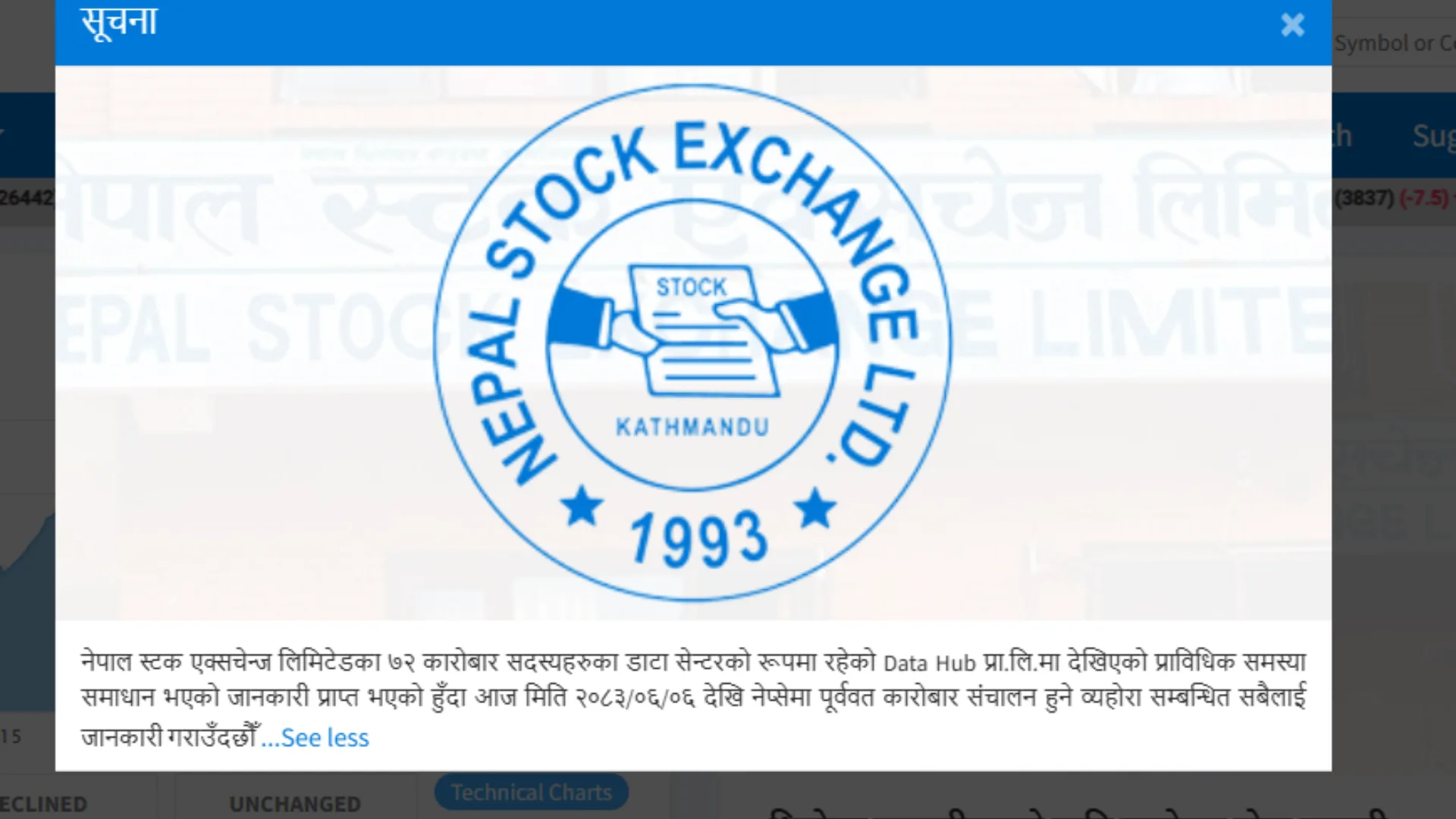

    Kathmandu — Credit flow from banks and financial institutions to Nepal’s private sector has failed to gain the expected momentum in the second quarter of the current fiscal year, indicating continued weakness in domestic economic activity. According to Nepal Rastra Bank, private sector credit increased by only 3.6 percent by mid-January (Poush-end), equivalent to NPR 197.47 billion, reaching a total of NPR 5,695.17 billion.

    The data show that credit expansion has remained modest across all categories of banks. By mid-January, lending by commercial banks increased by 3.7 percent, while development banks recorded a 2.9 percent rise and finance companies posted a marginal growth of 1.2 percent. Despite ample liquidity in the banking system, the slow pace of lending suggests that private sector demand for credit remains weak.

    In terms of collateral structure, loans backed by current assets (both agricultural and non-agricultural goods) accounted for 15 percent of total outstanding credit at mid-January. Loans secured by real estate continued to dominate, comprising 63.9 percent of total credit. A year earlier, these shares stood at 14.5 percent and 64.9 percent respectively, indicating only a marginal shift away from real-estate-backed lending.

    Sector-wise data for the first six months of fiscal year 2022/23 show that credit growth has been concentrated mainly in consumption-oriented and non-productive areas. Lending to the consumption sector rose by 9.1 percent, while credit to the construction sector increased by 7.2 percent. Loans to transportation, communication, and public services grew by 6.2 percent, and industrial production saw a 4.4 percent increase. In contrast, credit to agriculture declined by 1.1 percent, highlighting persistent challenges in channeling finance toward productive sectors.

    Growth patterns by loan type further underline the cautious lending environment. Margin lending increased by 8.3 percent over the six-month period, followed by trust receipt (import) loans at 7.8 percent and hire-purchase loans at 7.3 percent. Cash credit rose by 3 percent, while demand and other working capital loans increased by 2.9 percent. Real estate loans, including personal residential housing loans, grew by 2.5 percent, and term loans by 2.4 percent. Overdraft lending, however, declined by 3.3 percent.

    In comparison, private sector credit had expanded by NPR 265.56 billion during the same period of the previous fiscal year, underscoring a noticeable slowdown this year. On an annual point-to-point basis, private sector credit growth stood at 6.7 percent at mid-January, a level considered subdued by historical standards.

    The composition of total private sector credit has also shifted slightly. By mid-January, non-financial institutional borrowers accounted for 62.7 percent of total credit, while individuals and households made up 37.3 percent. In the same period last year, these shares were 64.2 percent and 35.8 percent respectively, indicating a gradual decline in institutional borrowing.

    Economists say the slow credit growth reflects subdued investment sentiment, cautious business expansion plans, and lingering uncertainty in key sectors such as industry and agriculture. While interest rates have fallen to relatively low levels, analysts argue that stronger policy support, improved investor confidence, and targeted incentives for productive sectors will be essential to revive credit demand and accelerate economic activity in the months ahead.

    Trending News

    • Trending14 Jun, 2026

      असारमा वाणिज्य बैंकको मुद्दति ब्याजदर थप घट्यो, ७ बैंकले दर घटाए

      Read news
    • Trending14 Jun, 2026

      नेपालकै सबैभन्दा ठूलो सम्पत्ति शुद्धीकरण मुद्दा अदालत पुग्यो, एक खर्ब ६ अर्बभन्दा बढी बिगो दाबी

      Read news
    • Trending14 Jun, 2026

      अमेरिका–इरान शान्ति सम्झौता निर्णायक मोडमा, पाकिस्तानले भन्यो — '२४ घण्टामा हस्ताक्षर सम्भव'

      Read news

    Related News

  • असारमा वाणिज्य बैंकको मुद्दति ब्याजदर थप घट्यो, ७ बैंकले दर घटाए
    Investor

    1 min read

    असारमा वाणिज्य बैंकको मुद्दति ब्याजदर थप घट्यो, ७ बैंकले दर घटाए

    NEPSE TRADING

    ·

    14 Jun, 2026

  • नेपालकै सबैभन्दा ठूलो सम्पत्ति शुद्धीकरण मुद्दा अदालत पुग्यो, एक खर्ब ६ अर्बभन्दा बढी बिगो दाबी
    Investor

    4 min read

    नेपालकै सबैभन्दा ठूलो सम्पत्ति शुद्धीकरण मुद्दा अदालत पुग्यो, एक खर्ब ६ अर्बभन्दा बढी बिगो दाबी

    NEPSE TRADING

    ·

    14 Jun, 2026

  • अमेरिका–इरान शान्ति सम्झौता निर्णायक मोडमा, पाकिस्तानले भन्यो — '२४ घण्टामा हस्ताक्षर सम्भव'
    Top

    1 min read

    अमेरिका–इरान शान्ति सम्झौता निर्णायक मोडमा, पाकिस्तानले भन्यो — '२४ घण्टामा हस्ताक्षर सम्भव'

    NEPSE TRADING

    ·

    14 Jun, 2026

  • शेयर बजारमा जलविद्युत कम्पनी : अनुत्तरित प्रश्नहरूको भारले थिचिएको लगानीकर्ता
    Investor

    5 min read

    शेयर बजारमा जलविद्युत कम्पनी : अनुत्तरित प्रश्नहरूको भारले थिचिएको लगानीकर्ता

    NEPSE TRADING

    ·

    12 Jun, 2026

  • नेपालको पुँजी बजार : तीन दशकको यात्रा, अझै अधुरो सुधार
    Investor

    3 min read

    नेपालको पुँजी बजार : तीन दशकको यात्रा, अझै अधुरो सुधार

    Dipesh Ghimire

    ·

    12 Jun, 2026