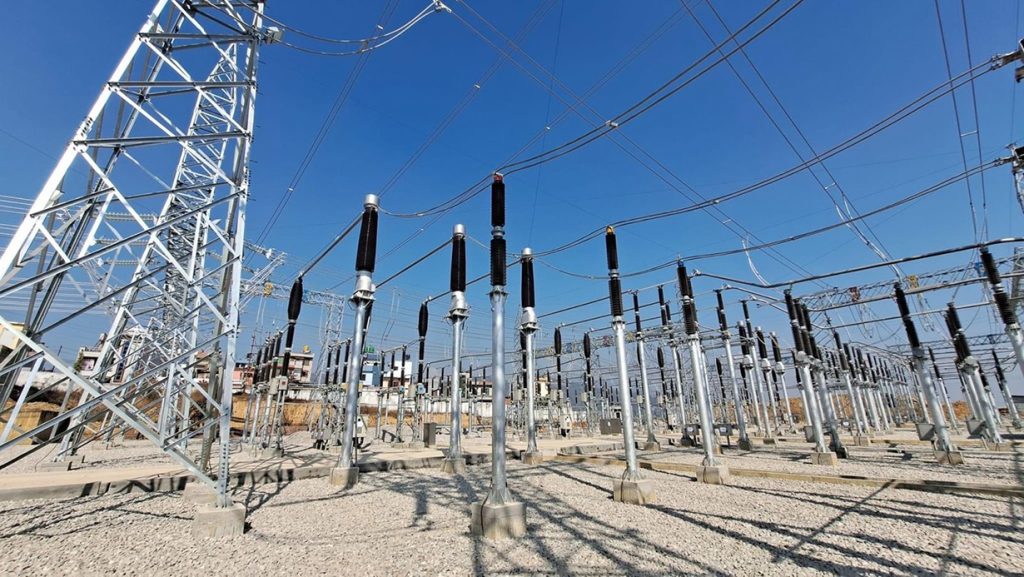
काठमाडौं — विद्युत् उत्पादनमा अग्रसर बनेको नेपालको निजी क्षेत्रले अब प्रसारण लाइन निर्माण तथा सञ्चालनमा पनि प्रत्यक्ष सहभागिता जनाउने अवसर पाएको छ। नेपाल विद्युत् प्राधिकरण ले चार प्रसारण लाइन आयोजना निजी क्षेत्रमार्फत विकास गर्न आशयपत्र (EOI) आह्वान गरेसँगै यो क्षेत्र औपचारिक रूपमा खुला भएको हो।प्राधिकरणले गत फागुन २८ गते ‘निर्माण–स्वामित्व–सञ्चालन–हस्तान्तरण’ (BOOT) मोडेलमा आयोजना विकास गर्न स्वदेशी तथा विदेशी कम्पनीहरूलाई आवेदन दिन आह्वान गरेको जनाएको छ। यस मोडेलअन्तर्गत निजी कम्पनीले आयोजना निर्माण गरी निश्चित अवधिसम्म सञ्चालन गर्ने र त्यसपछि सरकारलाई हस्तान्तरण गर्ने व्यवस्था रहनेछ।आह्वान गरिएका आयोजनामध्ये ४०० केभी क्षमताका शीतलपाटी–इनरुवा (९५ किमी) र तिङ्ला–न्यु खिम्ती–सुनकोशी हब–ढल्केबर (१३४ किमी) प्रसारण लाइन छन्। साथै १३२ केभी क्षमताका डाँडाखेत–बुर्तिबाङ (३३ किमी) र रिडी–तम्घास (२८ किमी) लाइन पनि सोही मोडेलमा निर्माण गरिनेछ। यी आयोजनाहरूले राष्ट्रिय प्रसारण सञ्जाल विस्तार र ऊर्जा आपूर्ति सुदृढीकरणमा महत्वपूर्ण भूमिका खेल्ने अपेक्षा गरिएको छ।सरकारले ठूलो लगानी आवश्यक पर्ने प्रसारण पूर्वाधार सरकारी स्रोतबाट मात्रै सम्भव नहुने निष्कर्ष निकाल्दै निजी क्षेत्रलाई आकर्षित गर्ने नीति ल्याएको हो। ऊर्जा, जलस्रोत तथा सिँचाइ मन्त्रालय ले गत मङ्सिरमा ‘ट्यारिफ बेस्ड कम्पिटेटिभ बिडिङ’ फ्रेमवर्क सार्वजनिक गर्दै प्रसारण क्षेत्रमा निजी लगानीको ढोका खोलेको थियो।उक्त फ्रेमवर्कअनुसार प्राधिकरणलाई बिडिङ एजेन्सीको जिम्मेवारी दिइएको छ। प्राधिकरणका प्रवक्ता राजन ढकालका अनुसार इच्छुक कम्पनीहरूले तोकिएको समयसीमाभित्र आवेदन दिन सक्नेछन्। आवेदनपछि योग्य कम्पनीहरूको छोटो सूची तयार गरिनेछ र त्यसपछि उनीहरूले प्राविधिक तथा आर्थिक प्रस्ताव पेश गर्नुपर्नेछ।छनोट भएका विकासकर्ताले आयोजना निर्माण गरी करिब २० वर्षसम्म सञ्चालन गर्नेछन्। त्यस अवधिमा प्राधिकरणले प्रसारण लाइनको क्षमता ‘बुकिङ’ गरेर सेवा खरिद गर्ने सुनिश्चितता दिनेछ, जसले निजी लगानीकर्तालाई प्रतिफल सुनिश्चित गर्न सहयोग पुग्ने अपेक्षा गरिएको छ।निर्माण अवधिभरको विस्तृत परियोजना प्रतिवेदन (DPR), जग्गा अधिग्रहण, सर्वेक्षण तथा निर्माण कार्यसमेत विकासकर्ताकै जिम्मामा रहनेछ। यसले निजी क्षेत्रलाई पूर्ण परियोजना जिम्मेवारी दिने नयाँ अभ्यासको सुरुवात गरेको विश्लेषण गरिएको छ।निजी क्षेत्रले भने यस कदमलाई सकारात्मक रूपमा लिएको छ। स्वतन्त्र ऊर्जा उत्पादकहरूको संस्थाका पूर्वअध्यक्ष कृष्णप्रसाद आचार्यका अनुसार प्रसारण क्षेत्रमा निजी क्षेत्रको प्रवेश दीर्घकालीन ऊर्जा विकासका लागि महत्वपूर्ण कदम हो। उनले उचित प्रतिफल सुनिश्चित भए निजी लगानी अझै विस्तार हुने विश्वास व्यक्त गरे।ऊर्जा क्षेत्रमा उत्पादनसँगै प्रसारण सञ्जाल विस्तार पनि अपरिहार्य बन्दै गइरहेको अवस्थामा यस निर्णयलाई संरचनागत सुधारतर्फको महत्वपूर्ण पहलका रूपमा हेरिएको छ।
Investor
2 min read
NEPSE TRADING
प्रसारण लाइनमा निजी क्षेत्रको प्रवेश खुला, चार आयोजना ‘बिओओटी’ मोडेलमा विकास हुनेPrivate Sector Entry Opens in Power Transmission as NEA Invites Bids for Four Projects
Kathmandu — Nepal’s private sector, which has long been active in electricity generation, has now been given an opportunity to directly participate in the construction and operation of transmission lines. The move comes after Nepal Electricity Authority invited Expressions of Interest (EOI) for four transmission line projects, formally opening the sector to private investment.The authority issued the call on Falgun 28, seeking applications from domestic and international developers to build the projects under the Build–Own–Operate–Transfer (BOOT) model. Under this framework, private companies will finance, construct, and operate the infrastructure for a fixed period before handing it over to the government.The proposed projects include two high-capacity 400 kV transmission lines — Shitalpati–Inaruwa (95 km) and Tingla–New Khimti–Sunkoshi Hub–Dhalkebar (134 km). In addition, two 132 kV lines — Dadakhet–Burtibang (33 km) and Ridi–Tamghas (28 km) — will also be developed under the same model. These projects are expected to play a crucial role in strengthening Nepal’s national transmission network and improving electricity distribution efficiency.The government’s decision reflects a broader realization that large-scale transmission infrastructure cannot be financed solely through public resources. To address this, the Ministry of Energy, Water Resources and Irrigation introduced a ‘Tariff-Based Competitive Bidding’ framework in Mangsir, paving the way for private sector participation in transmission development.Under this framework, NEA has been designated as the bidding agency. According to NEA spokesperson Rajan Dhakal, interested companies can submit applications within the specified deadline. Following the evaluation, a shortlist of qualified bidders will be prepared, who will then be required to submit detailed technical and financial proposals.Selected developers will be responsible for carrying out surveys, preparing detailed project reports, acquiring land, and executing construction. They will operate the transmission lines for up to 20 years, during which NEA will guarantee service purchase by booking transmission capacity. This arrangement is designed to ensure revenue stability and attract long-term private investment.Private sector representatives have welcomed the move. Krishna Prasad Acharya, former president of the Independent Power Producers’ Association, Nepal, described it as a significant opportunity for expanding private involvement in the energy sector. He noted that if reasonable returns are ensured, private investment in transmission infrastructure is likely to grow further.As Nepal continues to expand its hydropower generation capacity, the need for a robust transmission network has become increasingly urgent. Experts say that without parallel development of transmission infrastructure, surplus generation cannot be effectively utilized. In this context, opening the sector to private participation is seen as a strategic step toward bridging infrastructure gaps and enhancing overall energy security.
Advertisement