NEPSEtrading

Make smarter moves backed by machine learning. Join thousands of traders leveraging AI to maximize profits.

nepsetrading.com is an online news portal that provides insights into trading and investment by analyzing the stock market and the global economy. We create charts based on the analysis of various indicators. Please do not rely solely on this information for investment decisions. Self-study is crucial. Use this information only as an educational and informational resource.

Marketminds Investment Group Private Limited

DOIB Registration certificate no.: 4680-2081/2082

Director & Editor-in-chief: Dipesh Ghimire · 9802363868, 9851119988

Koteshwor 32, Kathmandu
01-5253221 · +977 9709066745

Contact support

Subscribe to our newsletter

Weekly insights from the NEPSE market in your inbox.

Market

  • Stocks
  • Sectors

Company

  • About Us
  • Our Team
  • Terms of Use
  • Our Policy
  • Training
  • Contact Us

Help

  • Support
  • Report
  • FAQ

© 2026 nepsetrading.com. All rights reserved.
Owned and operated by Marketminds Investment Group Private Limited.

Charts powered by TradingView

  • Home
  • Latest
  • Trending
  • Stock
  • Education
  • International
    1. News
    2. Investor
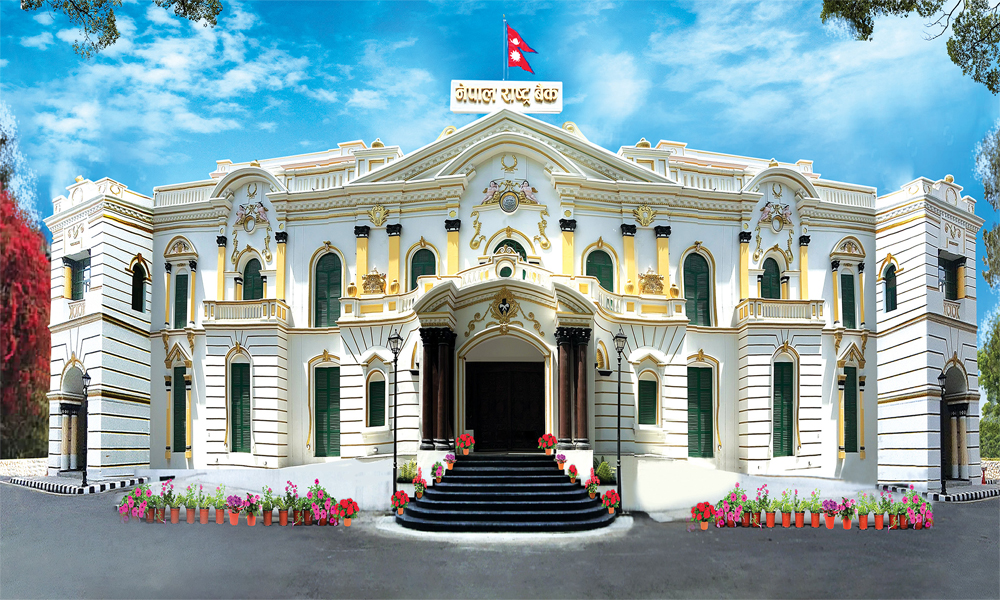
    3. Regulator Tightens Oversight as Loan Quality Review Finds Weaknesses in Major Banks
    कर्जा वर्गीकरणमा कमजोरी देखिएपछि ठूला बैंकमाथि राष्ट्र बैंक कडा, थप प्रोभिजनिङको तयारी
    Investor
    3 min read
    Published on February 9, 2026
    NEPSE TRADING

    कर्जा वर्गीकरणमा कमजोरी देखिएपछि ठूला बैंकमाथि राष्ट्र बैंक कडा, थप प्रोभिजनिङको तयारीRegulator Tightens Oversight as Loan Quality Review Finds Weaknesses in Major Banks

    काठमाडौं — बंगलादेशी परामर्शदाता हौलादार युनुस एन्ड कम्पनीले गरेको कर्जा गुणस्तर परीक्षणमा नेपालका ठूला वाणिज्य बैंकहरूमा कर्जा वर्गीकरण र जोखिम व्यवस्थापनमा कमजोरी देखिएको छ। परीक्षणका क्रममा नियामकीय मापदण्डअनुसार कर्जा व्यवस्थापन नहुँदा थप जोखिम व्यवस्थापन आवश्यक रहेको निष्कर्ष निकालिएको हो।

    नेपाल राष्ट्र बैंकका अनुसार बैंकहरूले असल, सूक्ष्म निगरानी, कमसल, शंकास्पद र खराब कर्जाको वर्गीकरणमा सुधार नगरेमा थप प्रोभिजनिङ गर्न निर्देशन दिने तयारी भइरहेको छ। केन्द्रीय बैंकले बैंकहरूसँग स्पष्टीकरण लिएपछि मात्र आवश्यक कारबाही अघि बढाइने जनाएको छ।

    परामर्शदाता कम्पनीले गरेको लोन पोर्टफोलियो रिभ्युमा औसत निष्क्रिय कर्जा अनुपात ७.७० प्रतिशत देखिएको छ भने दुई बैंकको एनपीएल १० प्रतिशतभन्दा माथि पुगेको छ। परीक्षणमा ग्लोबल आइएमई, नबिल, नेपाल इन्भेष्टमेण्ट मेगा, राष्ट्रिय वाणिज्य, कुमारी, लक्ष्मी सनराइज, प्रभु, हिमालयन, एनएमबि र एनआईसी एशिया बैंक समावेश थिए।

    प्रतिवेदनमा ठूला परियोजना कर्जालाई असल देखाउन केही बैंकहरूले थप ऋण प्रवाह गरेको तर परियोजनाको भौतिक प्रगति र आवश्यक प्रमाण पर्याप्त नरहेको उल्लेख गरिएको छ। कतिपय अवस्थामा ‘ऋण तिर्न ऋण दिइएको’ आशंका समेत उठेको छ। यस्ता कर्जामा स्थलगत निरीक्षण, निर्माण प्रगति र अनुगमनसम्बन्धी कागजातको अभाव देखिएको छ।

    राष्ट्र बैंकको निर्देशअनुसार एक महिनासम्म भाखा नाघेका कर्जा ‘सूक्ष्म निगरानी’, छ महिनासम्म नतिरेकालाई ‘कमसल’, छ महिनादेखि एक वर्षसम्म नतिरेकालाई ‘शंकास्पद’ र एक वर्षभन्दा बढी नतिरेकालाई ‘खराब’ कर्जामा राख्नुपर्ने व्यवस्था छ। यसअनुसार असल कर्जामा १ प्रतिशत, सूक्ष्म निगरानीमा ५ प्रतिशत, कमसलमा २५ प्रतिशत, शंकास्पदमा ५० प्रतिशत र खराब कर्जामा शतप्रतिशत नोक्सानी व्यवस्था गर्नुपर्ने हुन्छ।

    तर हालै गरिएको परीक्षणमा केही बैंकहरूले यी नियमहरू पूर्ण रूपमा पालना नगरेको पाइएको छ। यसले बैंकहरूको वित्तीय अवस्था वास्तविकभन्दा राम्रो देखाउने प्रयास भएको आशंका बढाएको छ।

    यो कर्जा गुणस्तर परीक्षण अन्तर्राष्ट्रिय मुद्रा कोष (आईएमएफ)को शर्तअनुसार गरिएको हो। आईएमएफले नेपाललाई विस्तारित कर्जा सुविधा उपलब्ध गराउनु अघि ठूला बैंकहरूको वित्तीय अवस्था मजबुत हुनुपर्ने सर्त राखेको थियो। यसैअनुसार राष्ट्र बैंकले कमजोर पक्ष सुधार गर्न रोडम्याप बनाएर कार्यान्वयन गर्ने तयारी गरेको छ।

    यता, चालु आर्थिक वर्ष २०८२/८३ को दोस्रो त्रैमाससम्म वाणिज्य बैंकहरूको खराब कर्जा निरन्तर बढ्दो क्रममा देखिएको छ। बैंकहरूले सार्वजनिक गरेका अपरिष्कृत वित्तीय विवरणअनुसार औसत एनपीएल ५.०८ प्रतिशत पुगेको छ, जुन गत वर्षको सोही अवधिमा ४.४९ प्रतिशत थियो।

    विशेषगरी हिमालयन बैंकको एनपीएल ७.९८ प्रतिशत, प्रभु बैंकको ७.९४ प्रतिशत, एनआईसी एशिया बैंकको ७.४७ प्रतिशत र नेपाल इन्भेष्टमेण्ट मेगाको ७.९० प्रतिशत पुगेको छ। अन्य बैंकहरूमा पनि एनपीएल ५ प्रतिशतभन्दा माथि रहेको देखिन्छ।

    यद्यपि, आठ वटा बैंकको एनपीएल भने घटेको छ। सबैभन्दा धेरै सिद्धार्थ बैंकको १.०५ प्रतिशत बिन्दुले घटेको छ। त्यसैगरी नेपाल एसबीआई, नबिल, राष्ट्रिय वाणिज्य, माछापुच्छ्रे, कृषि विकास, लक्ष्मी सनराइज र कुमारी बैंकमा पनि सुधार देखिएको छ। एभरेष्ट बैंकको एनपीएल सबैभन्दा कम ०.६८ प्रतिशत रहेको छ।

    खराब कर्जा बढ्दै जाँदा बैंकहरूको पूँजी पर्याप्तता र नाफामा दबाब पर्ने जोखिम बढेको छ। साथै, नयाँ कर्जा प्रवाह संकुचित हुने सम्भावना पनि देखिएको छ, जसले समग्र आर्थिक गतिविधिमा असर पार्न सक्छ।

    विश्लेषकहरूका अनुसार कोरोना महामारीपछिको उदार मौद्रिक नीति, घरजग्गा र शेयर क्षेत्रमा अत्यधिक केन्द्रित कर्जा, अस्वस्थ प्रतिस्पर्धा, कमजोर कर्जा अनुगमन र आर्थिक सुस्तताले खराब कर्जा बढाउने मुख्य कारण बनेका छन्।

    समयमै संरचनागत सुधार, प्रभावकारी कर्जा असुली प्रणाली, कडा नियमन र कानुनी सुधार नगरे बैंकिङ प्रणाली र समग्र अर्थतन्त्रमा दीर्घकालीन नकारात्मक असर पर्न सक्ने चेतावनी पनि दिइएको छ।


    Kathmandu — A recent loan quality review conducted by Bangladeshi consulting firm Houladar Yunus & Company has revealed weaknesses in credit classification and risk management practices among Nepal’s major commercial banks. The assessment found that several banks have failed to fully comply with regulatory standards, prompting the central bank to prepare stricter supervisory measures.

    According to Nepal Rastra Bank (NRB), banks that do not improve the classification of their loans into categories such as performing, watchlist, substandard, doubtful, and bad loans may be instructed to increase their provisioning. The central bank has stated that further action will be taken only after seeking clarifications from the concerned institutions.

    The loan portfolio review shows that the average non-performing loan (NPL) ratio among the tested banks stands at 7.70 percent, with two banks recording NPL levels above 10 percent. The assessment covered ten major commercial banks, including Global IME, Nabil, Nepal Investment Mega, Rastriya Banijya, Kumari, Laxmi Sunrise, Prabhu, Himalayan, NMB, and NIC Asia.

    The report highlights that some banks have extended additional loans to large projects in order to classify them as “performing,” despite insufficient physical progress and weak supporting documentation. This practice has raised concerns that fresh loans may have been issued primarily to help borrowers repay earlier obligations. In several cases, proper site inspections, progress reports, and monitoring records were found to be missing.

    Under NRB guidelines, loans overdue for up to one month must be placed under “watchlist,” up to six months as “substandard,” six months to one year as “doubtful,” and beyond one year as “bad loans.” Based on this classification, banks are required to maintain provisions of 1 percent for performing loans, 5 percent for watchlist loans, 25 percent for substandard, 50 percent for doubtful, and 100 percent for bad loans.

    However, the quality review indicates that some banks have not fully complied with these rules. Regulators believe this has allowed certain institutions to present a stronger financial position than their actual risk exposure justifies, raising concerns about transparency and long-term stability.

    The loan quality assessment was conducted as part of conditions set by the International Monetary Fund (IMF) before providing Nepal with Extended Credit Facility support. The IMF had emphasized the need to ensure the soundness of major banks. In response, NRB has announced plans to prepare and implement a roadmap to address identified weaknesses.

    Meanwhile, financial data shows that non-performing loans in Nepal’s banking sector continue to rise. By the second quarter of the current fiscal year 2082/83, the average NPL ratio of commercial banks had reached 5.08 percent, up from 4.49 percent in the same period last year, based on unaudited financial statements.

    Among the major banks, Himalayan Bank recorded an NPL ratio of 7.98 percent, Prabhu Bank 7.94 percent, NIC Asia 7.47 percent, and Nepal Investment Mega 7.90 percent. Several other banks have also reported NPL levels exceeding 5 percent, reflecting growing stress in loan portfolios.

    At the same time, eight banks have managed to reduce their NPL ratios. Siddhartha Bank recorded the largest decline of 1.05 percentage points, followed by Nepal SBI, Nabil, Rastriya Banijya, Machhapuchchhre, Agricultural Development Bank, Laxmi Sunrise, and Kumari Bank. Everest Bank maintained the lowest NPL ratio at 0.68 percent.

    Rising bad loans are putting pressure on banks’ capital adequacy and profitability. Higher provisioning requirements reduce earnings and limit banks’ ability to expand lending, potentially slowing overall economic activity. Regulators warn that continued deterioration in asset quality could weaken confidence in the financial system.

    Analysts attribute the increase in non-performing loans to several factors, including loose monetary policy after the COVID-19 pandemic, heavy exposure to real estate and stock markets, unhealthy competition among banks, weak credit monitoring, and sluggish economic growth.

    Experts stress that timely structural reforms, stronger recovery mechanisms, stricter supervision, and legal improvements are essential to contain risks. Without decisive action, they warn, prolonged weaknesses in credit management could pose long-term challenges to Nepal’s banking sector and broader economy.

    Trending News

    • Trending14 Jun, 2026

      असारमा वाणिज्य बैंकको मुद्दति ब्याजदर थप घट्यो, ७ बैंकले दर घटाए

      Read news
    • Trending14 Jun, 2026

      नेपालकै सबैभन्दा ठूलो सम्पत्ति शुद्धीकरण मुद्दा अदालत पुग्यो, एक खर्ब ६ अर्बभन्दा बढी बिगो दाबी

      Read news
    • Trending14 Jun, 2026

      अमेरिका–इरान शान्ति सम्झौता निर्णायक मोडमा, पाकिस्तानले भन्यो — '२४ घण्टामा हस्ताक्षर सम्भव'

      Read news

    Related News

  • असारमा वाणिज्य बैंकको मुद्दति ब्याजदर थप घट्यो, ७ बैंकले दर घटाए
    Investor

    1 min read

    असारमा वाणिज्य बैंकको मुद्दति ब्याजदर थप घट्यो, ७ बैंकले दर घटाए

    NEPSE TRADING

    ·

    14 Jun, 2026

  • नेपालकै सबैभन्दा ठूलो सम्पत्ति शुद्धीकरण मुद्दा अदालत पुग्यो, एक खर्ब ६ अर्बभन्दा बढी बिगो दाबी
    Investor

    4 min read

    नेपालकै सबैभन्दा ठूलो सम्पत्ति शुद्धीकरण मुद्दा अदालत पुग्यो, एक खर्ब ६ अर्बभन्दा बढी बिगो दाबी

    NEPSE TRADING

    ·

    14 Jun, 2026

  • अमेरिका–इरान शान्ति सम्झौता निर्णायक मोडमा, पाकिस्तानले भन्यो — '२४ घण्टामा हस्ताक्षर सम्भव'
    Top

    1 min read

    अमेरिका–इरान शान्ति सम्झौता निर्णायक मोडमा, पाकिस्तानले भन्यो — '२४ घण्टामा हस्ताक्षर सम्भव'

    NEPSE TRADING

    ·

    14 Jun, 2026

  • शेयर बजारमा जलविद्युत कम्पनी : अनुत्तरित प्रश्नहरूको भारले थिचिएको लगानीकर्ता
    Investor

    5 min read

    शेयर बजारमा जलविद्युत कम्पनी : अनुत्तरित प्रश्नहरूको भारले थिचिएको लगानीकर्ता

    NEPSE TRADING

    ·

    12 Jun, 2026

  • नेपालको पुँजी बजार : तीन दशकको यात्रा, अझै अधुरो सुधार
    Investor

    3 min read

    नेपालको पुँजी बजार : तीन दशकको यात्रा, अझै अधुरो सुधार

    Dipesh Ghimire

    ·

    12 Jun, 2026