रास्वपाको अर्थ–राजनीतिक प्रस्ताव : ‘सामाजिक न्यायसहितको उदार अर्थतन्त्र’ मा प्रतिबद्धताRSP's economic-political proposal: A commitment to a 'liberal economy with social justice'
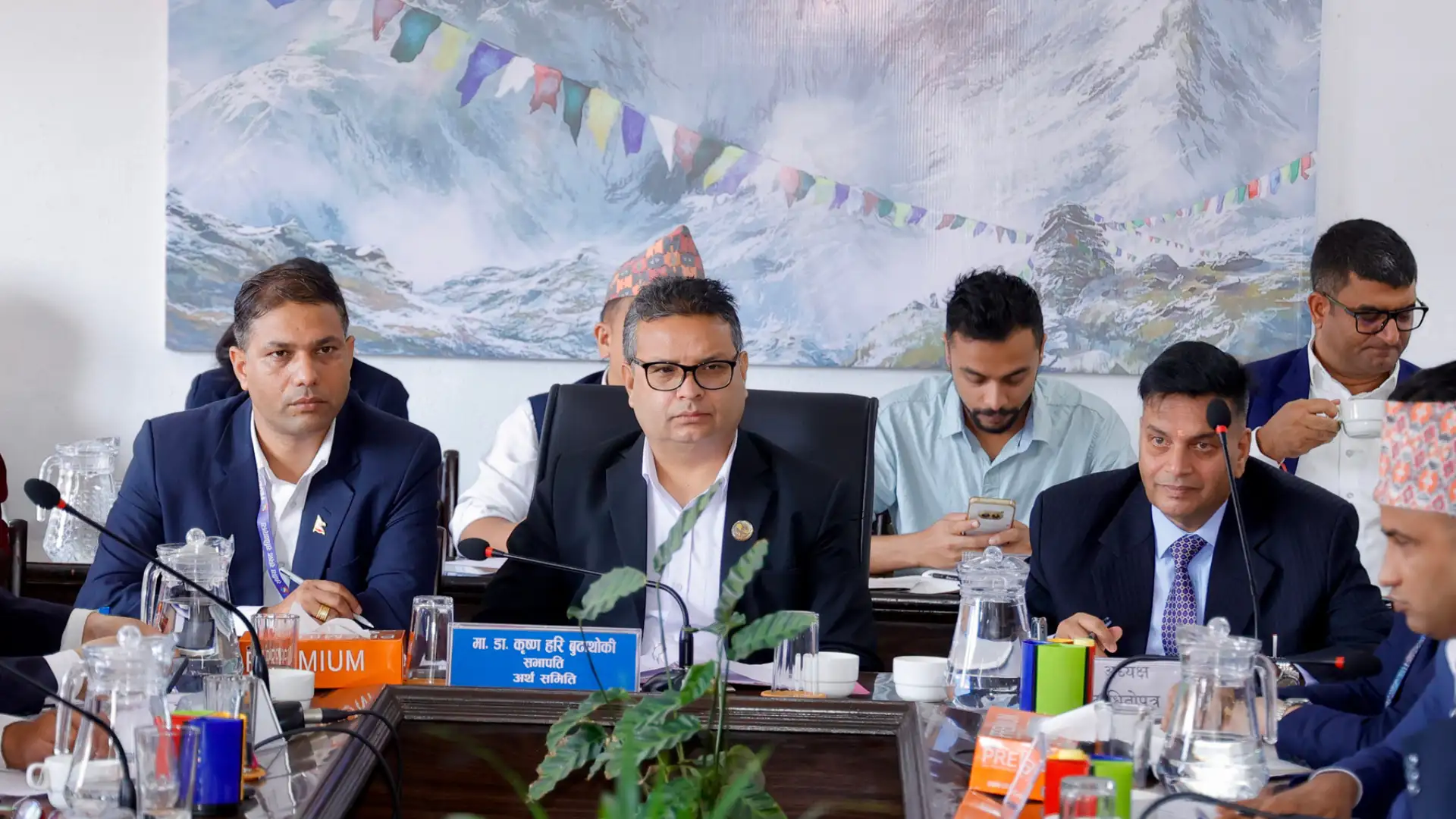
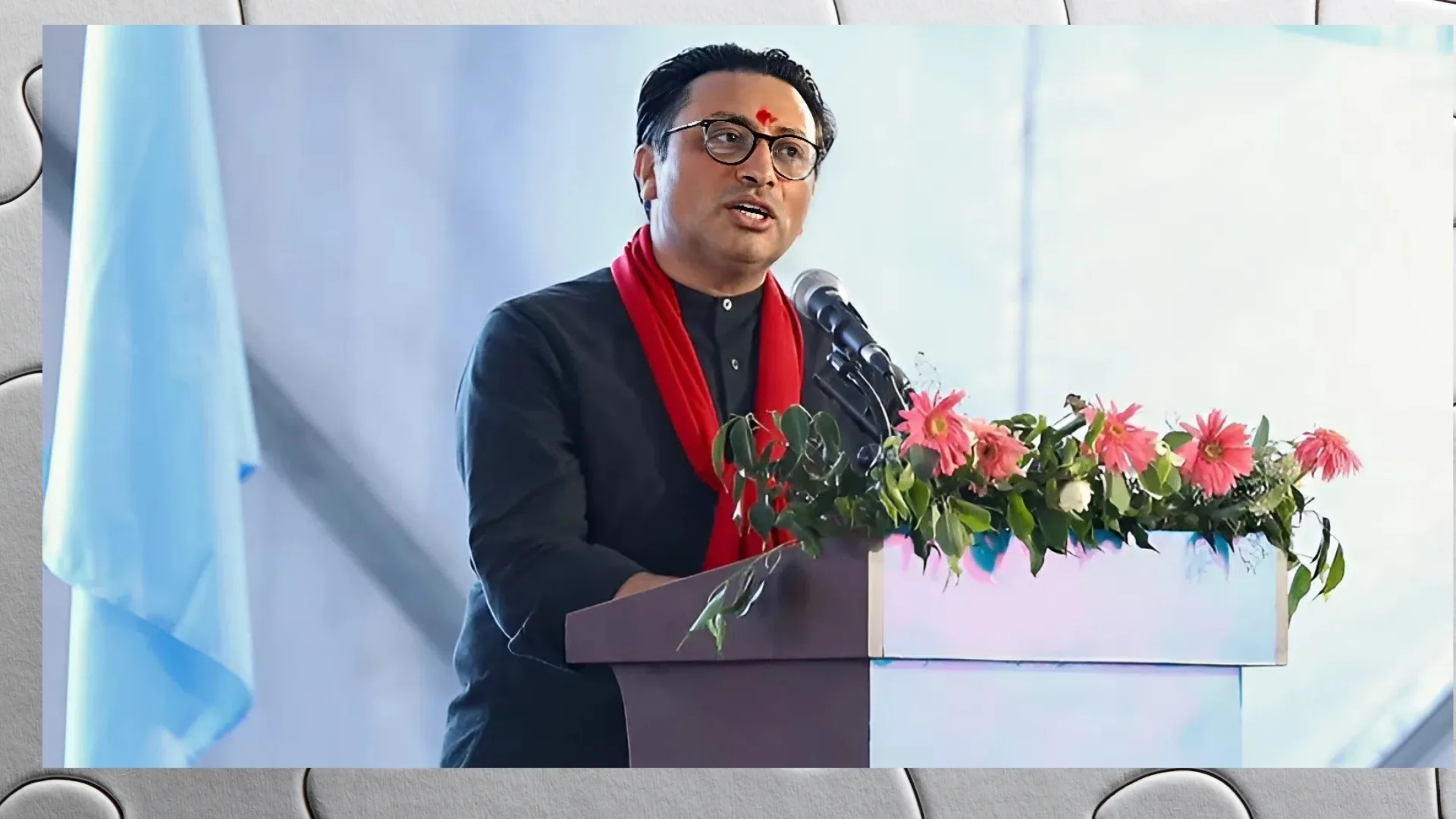
काठमाडौं — राष्ट्रिय स्वतन्त्र पार्टी (रास्वपा) ले आफ्नो प्रथम राष्ट्रिय महाधिवेशनबाट अघि सारेको ‘अर्थ–राजनीतिक प्रस्ताव’ मार्फत पार्टीलाई सामाजिक न्यायसहितको उदार अर्थतन्त्रमा विश्वास गर्ने बहुलवादी लोकतान्त्रिक शक्तिका रूपमा परिभाषित गरेको छ। उपसभापति डा. स्वर्णिम वाग्लेले बन्दसत्रमा प्रस्तुत गरेको उक्त प्रस्तावले प्रत्यक्ष निर्वाचित प्रधानमन्त्रीदेखि प्रदेशसभा खारेजसम्मका शासकीय सुधारका एजेन्डालाई बहसको केन्द्रमा ल्याएको छ।
प्रस्तावमा रास्वपा सबै नेपालीको समतामूलक उन्नतिप्रति प्रतिबद्ध रहेको उल्लेख गर्दै वैयक्तिक स्वतन्त्रता, मौलिक हकको प्रत्याभूति, विधिको शासन र जवाफदेहीपूर्ण असल शासनमार्फत समावेशी समाज निर्माण गर्ने लक्ष्य अघि सारिएको छ।
पार्टीले नेपालको लोकतान्त्रिक गणतन्त्रात्मक शासन प्रणालीलाई थप सुदृढ बनाउने प्रतिबद्धता जनाएको छ। संविधान संशोधन वा पुनर्लेखन आवश्यक परेमा त्यो संविधानले नै तोकेको प्रक्रियाभित्र रहेर मात्रै अघि बढाइने प्रस्तावमा स्पष्ट पारिएको छ।
सुशासन, समावेशिता र सामाजिक न्यायलाई लोकतन्त्रको आधारभूत शर्तका रूपमा व्याख्या गर्दै प्रस्तावले राज्यको संरचनात्मक रूपान्तरण, विभेद तथा असमानताको अन्त्य र विविधताको सम्मानमार्फत समतामूलक समाज निर्माण गर्नुपर्ने धारणा राखेको छ। सामाजिक न्यायको अवधारणालाई लोककल्याणकारी राज्यसँग जोड्दै विकासको मापन आय वृद्धिमा मात्र सीमित नभई रोजगारी विस्तार, सामाजिक सद्भाव र वातावरणीय सन्तुलनमा समेत आधारित हुनुपर्ने प्रस्तावको मत छ।
आर्थिक नीतिका सन्दर्भमा प्रस्तावले निजी क्षेत्रलाई आर्थिक समृद्धिको प्रमुख वाहक मानेको छ। आम नागरिकको जीवनस्तर उकास्ने दीर्घकालीन उपायका रूपमा उत्पादनशीलता वृद्धिलाई औंल्याउँदै निजी लगानी र सक्षम सार्वजनिक सहजीकरणको संयोजनबाट आर्थिक उन्नति सम्भव हुने दृष्टिकोण अघि सारिएको छ।
उद्यमशीलता प्रवर्द्धनका लागि स्वच्छ प्रतिस्पर्धा, प्रभावकारी नियमन, लगानीमैत्री वातावरण र प्रविधिमैत्री संरचनाको खाँचो औंल्याइएको छ। राष्ट्रिय पुँजी निर्माणका लागि वैध स्रोतबाट लगानी परिचालन गर्न उदार तथा प्रोत्साहनमुखी नीति अवलम्बन गरिने प्रस्तावमा उल्लेख छ।
विदेश नीतिमा रास्वपाले संयुक्त राष्ट्रसंघको बडापत्र, असंलग्नता, पञ्चशील र अन्तर्राष्ट्रिय कानुनका सिद्धान्तलाई आधार मानी स्वतन्त्र परराष्ट्र नीति सञ्चालन गर्ने प्रतिबद्धता जनाएको छ। आर्थिक कूटनीतिलाई सुदृढ बनाउँदै व्यापार, प्रत्यक्ष वैदेशिक लगानी र अन्तर्राष्ट्रिय सहकार्यका अवसर विस्तार गर्ने नीति पनि प्रस्तावमा समेटिएको छ।
प्रवासी नेपाली समुदाय (डायस्पोरा) लाई नेपालको आर्थिक तथा कूटनीतिक हितसँग जोड्ने रणनीतिलाई समेत पार्टीले प्राथमिकता दिएको छ। सांस्कृतिक शक्ति र अन्तर्राष्ट्रिय सम्बन्धमार्फत राष्ट्रिय हित प्रवर्द्धन गर्ने उद्देश्य प्रस्तावमा राखिएको छ।
राष्ट्रियतासम्बन्धी धारणा स्पष्ट पार्दै प्रस्तावमा नेपालको भौगोलिक अखण्डता, सार्वभौमसत्ता र राष्ट्रिय स्वाधीनताको संरक्षणलाई सर्वोच्च प्राथमिकतामा राखिएको छ। सहअस्तित्व, सहिष्णुता, स्वाभिमान र समभावमा आधारित राष्ट्रिय एकता एवं देशभक्तिको प्रवर्द्धन गर्ने प्रतिबद्धता पनि व्यक्त गरिएको छ।
प्रत्यक्ष निर्वाचित प्रधानमन्त्रीदेखि प्रदेशसभा खारेजसम्म
प्रस्तावले शासकीय सुधारका थुप्रै महत्त्वाकांक्षी एजेन्डालाई बहसका लागि अघि सारेको छ। यसमा प्रत्यक्ष निर्वाचित प्रधानमन्त्रीको व्यवस्था, सांसद मन्त्री बन्न नपाउने प्रणाली, दलविहीन स्थानीय तह, ७५३ स्थानीय तहमध्ये करिब एकतिहाइ संख्या घटाउने, प्रदेशसभा खारेजसहित संघीय संरचनाको पुनःसंरचना, न्यायपरिषद्सहित संवैधानिक निकायको आमूल सुधार तथा मान्यता प्राप्त राजनीतिक दलको पारदर्शी कोष व्यवस्थापनजस्ता विषय समेटिएका छन्।
‘प्रत्यक्ष निर्वाचित प्रधानमन्त्री, सांसद मन्त्री नबन्ने प्रणाली, दलविहीन स्थानीय तह एवं ७५३ को संख्यामा एकतिहाइ कटौती, प्रदेशसभा खारेजसहित संघीयताको पुनःसंरचना, न्यायपरिषद्लगायत अन्य संवैधानिक अंगको आमूल सुधार तथा मान्यता प्राप्त राजनीतिक दलको पारदर्शी कोषभरणजस्ता शासकीय सुधारका एजेन्डा रास्वपाले बहसका लागि प्रवेश गराइसकेको छ,’ प्रस्तावमा उल्लेख छ।
रास्वपाले जवाफदेहीपूर्ण असल शासनलाई समुन्नतिको आधार मान्दै आवधिक निर्वाचनमार्फत संसद् र सरकार गठन तथा विधिको शासनमार्फत राज्यशक्तिको सीमांकन हुनुपर्ने धारणा राखेको छ। पार्टीले शासन कानुनबाट होइन, कानुनको शासनबाट सञ्चालन हुनुपर्ने अवधारणामा विश्वास गर्ने जनाएको छ।
‘रास्वपा कानुनबाट शासन गर्ने होइन, कानुनको शासनमा आधारित व्यवस्थामा विश्वास गर्छ। कानुन सत्तापक्षीय होइन, जनपक्षीय बन्नुपर्छ। यसले नागरिक र राज्यबीच विश्वास स्थापित गर्न मद्दत गर्छ,’ प्रस्तावमा भनिएको छ।
उपसभापति वाग्लेले राज्यको संरचनात्मक रूपान्तरण शान्तिपूर्ण राजनीतिक अभ्यास, बहुआयामिक विविधताको न्यायोचित व्यवस्थापन तथा विभेद र विषमताको अन्त्यबाट मात्रै सम्भव हुने बताए। समावेशी समाज निर्माणका लागि सामाजिक न्याय, लोकतान्त्रिक अभ्यास र सुशासनलाई सँगसँगै अघि बढाउनुपर्ने उनको धारणा छ।
समग्रमा, रास्वपाले अर्थ–राजनीतिक प्रस्तावमार्फत लोकतन्त्र, उदार अर्थतन्त्र, सामाजिक न्याय, सुशासन र राष्ट्रिय हितलाई केन्द्रमा राखेर आफूलाई वैकल्पिक राजनीतिक शक्तिका रूपमा स्थापित गर्ने प्रयास गरेको छ। महाधिवेशनबाट अघि सारिएको यो प्रस्तावले संघीय संरचना, शासन प्रणाली र राजनीतिक दलहरूको कार्यशैलीमा नयाँ बहस सिर्जना गर्ने संकेत गरेको छ।

Governance reforms — from a directly elected PM to abolishing provincial assemblies — up for debate
KATHMANDU — Through the 'economic-political proposal' advanced by its first national convention, the Rastriya Swatantra Party (RSP) has defined itself as a pluralist democratic force that believes in a liberal economy with social justice. The proposal, presented by Vice-chair Dr Swarnim Wagle in a closed session, has placed governance-reform agendas — ranging from a directly elected prime minister to the abolition of provincial assemblies — at the centre of debate.
The proposal states that the RSP is committed to the equitable advancement of all Nepalis, and sets out the goal of building an inclusive society through individual freedom, the guarantee of fundamental rights, the rule of law and accountable good governance.
The party has expressed its commitment to further strengthening Nepal's democratic republican system of governance. The proposal makes clear that if any constitutional amendment or rewriting becomes necessary, it will proceed only within the process laid down by the constitution itself.
Describing good governance, inclusion and social justice as the basic preconditions of democracy, the proposal holds that an equitable society must be built through structural transformation of the state, an end to discrimination and inequality, and respect for diversity. Linking the concept of social justice to a welfare state, it argues that the measure of development should not be limited to income growth alone but should also rest on the expansion of employment, social harmony and environmental balance.
On economic policy, the proposal regards the private sector as the principal vehicle of economic prosperity. Pointing to productivity growth as the long-term means of raising citizens' living standards, it advances the view that economic progress is possible through a combination of private investment and capable public facilitation.
To promote entrepreneurship, the proposal points to the need for fair competition, effective regulation, an investment-friendly environment and a technology-friendly framework. It states that liberal, incentive-oriented policies will be adopted to mobilise investment from legitimate sources for national capital formation.
On foreign policy, the RSP has committed to conducting an independent foreign policy based on the UN Charter, non-alignment, Panchsheel and the principles of international law. The proposal also incorporates a policy of strengthening economic diplomacy and expanding opportunities in trade, foreign direct investment and international cooperation.
The party has also prioritised a strategy of linking the non-resident Nepali community (diaspora) to Nepal's economic and diplomatic interests. The proposal sets out the objective of promoting national interest through cultural strength and international relations.
Clarifying its stance on nationalism, the proposal places the protection of Nepal's territorial integrity, sovereignty and national independence at the highest priority. It also expresses a commitment to promoting national unity and patriotism grounded in coexistence, tolerance, self-respect and equanimity.
From a directly elected PM to abolishing provincial assemblies
The proposal has put forward several ambitious governance-reform agendas for debate. These include a directly elected prime minister, a system under which MPs cannot become ministers, party-less local levels, a reduction of roughly one-third in the number of the 753 local levels, restructuring of the federal set-up including the abolition of provincial assemblies, sweeping reform of constitutional bodies including the Judicial Council, and transparent fund management for recognised political parties.
"The RSP has already introduced for debate governance-reform agendas such as a directly elected prime minister, a system in which MPs do not become ministers, party-less local levels and a one-third cut in the number of 753 local levels, restructuring of federalism including the abolition of provincial assemblies, sweeping reform of the Judicial Council and other constitutional bodies, and transparent fund-financing for recognised political parties," the proposal states.
Describing accountable good governance as the foundation of prosperity, the RSP holds that Parliament and government should be formed through periodic elections and that state power should be delimited through the rule of law. The party states that it believes in a system run not by rule through law but by the rule of law.
"The RSP believes not in ruling by law but in a system based on the rule of law. The law should be people-oriented, not regime-oriented. This helps establish trust between citizens and the state," the proposal states.
Vice-chair Wagle said that structural transformation of the state is possible only through peaceful political practice, the just management of multidimensional diversity, and an end to discrimination and disparity. In his view, social justice, democratic practice and good governance must be advanced together to build an inclusive society.
Overall, through its economic-political proposal, the RSP has sought to establish itself as an alternative political force centred on democracy, a liberal economy, social justice, good governance and national interest. The proposal advanced by the convention signals an attempt to generate fresh debate on the federal structure, the system of governance and the working styles of political parties.