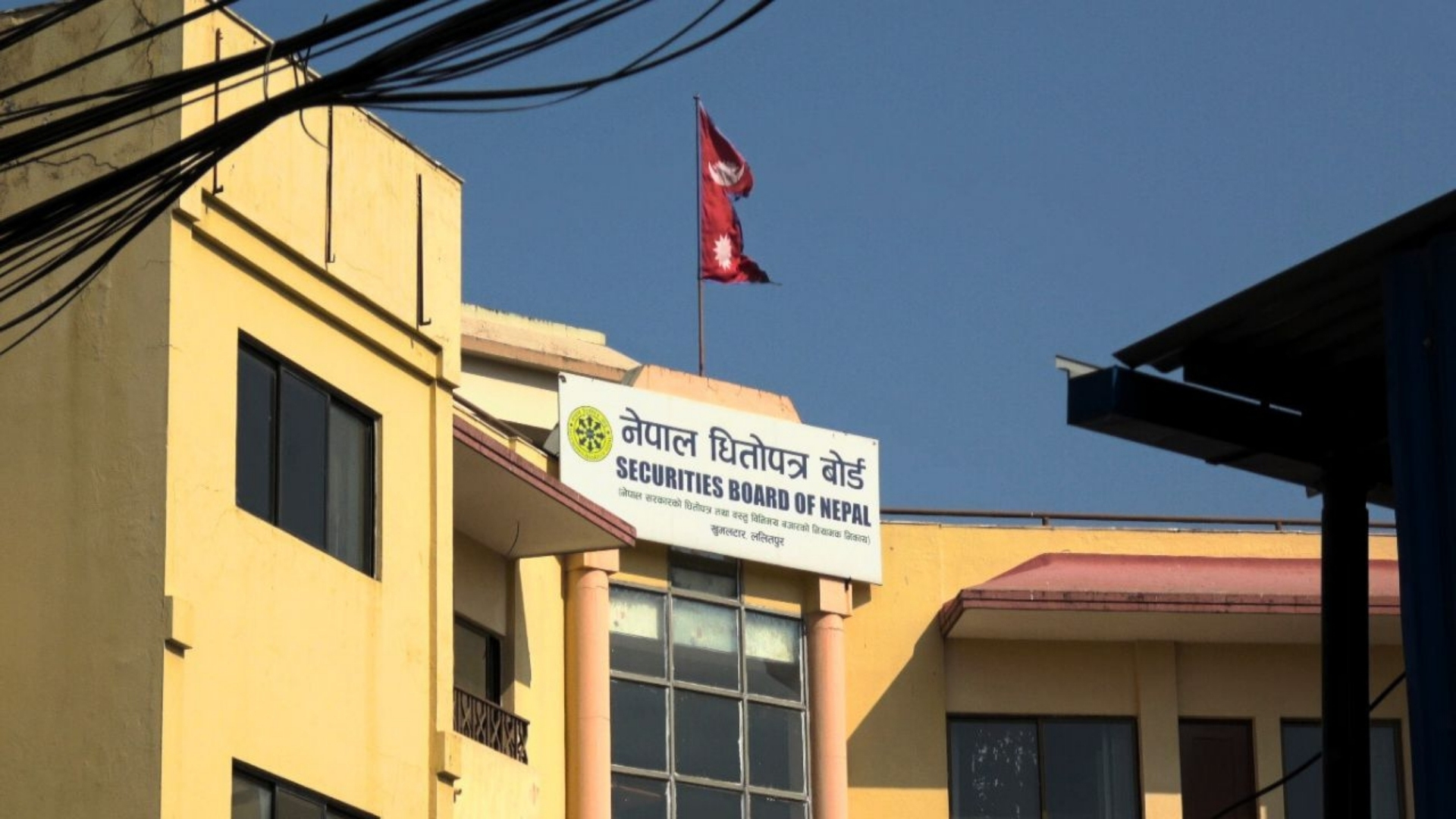
नेपाल धितोपत्र बोर्ड (सेबोन) ले पुँजी बजारलाई प्रविधिमैत्री र सुरक्षित बनाउन ‘सूचना प्रविधि नीति, २०८३’ कार्यान्वयनमा ल्याएको छ । कात्तिक १८ गतेदेखि लागू भएको नयाँ नीतिले विशेषगरी सेयर बजारसँग सम्बन्धित सम्पूर्ण तथ्यांक (डेटा) अनिवार्य रूपमा नेपालभित्रै भण्डारण गर्नुपर्ने कडा व्यवस्था गरेको छ । यसअघिको २०७६ सालको नीतिलाई प्रतिस्थापन गर्दै ल्याइएको यस व्यवस्थाले साइबर सुरक्षा, जोखिम व्यवस्थापन र अत्याधुनिक प्रविधिको प्रयोगलाई नियमनको दायरामा ल्याएको हो ।
पछिल्लो समय बढ्दै गएको साइबर जोखिमलाई मध्यनजर गर्दै बोर्डले सुरक्षा मापदण्डमा कडाइ गरेको छ । नयाँ नियमानुसार, नेप्से र सीडीएससीजस्ता प्रमुख संस्थाहरूले अन्तर्राष्ट्रिय स्तरको ‘आईएसओ २७००१’ सुरक्षा प्रणाली अपनाउनुका साथै हरेक वर्ष अनिवार्य आईटी अडिट (लेखापरीक्षण) गराउनुपर्नेछ । अन्य सम्बद्ध संस्थाहरूले भने दुई–दुई वर्षमा यस्तो परीक्षण गराउनुपर्नेछ । साथै, कुनै पनि गम्भीर प्रकृतिको साइबर आक्रमण वा प्राविधिक घटना भएमा सोही दिन र अन्य सामान्य घटनाको हकमा ७२ घण्टाभित्र बोर्डलाई जानकारी गराइसक्नुपर्ने बाध्यकारी नियम बनाइएको छ ।
तथ्यांक संरक्षणलाई उच्च प्राथमिकता दिँदै नीतिले सम्भावित विपद् व्यवस्थापनको स्पष्ट खाका कोरेको छ । मुख्य डेटा सेन्टरमा प्राविधिक वा प्राकृतिक कारणले क्षति पुगेर प्रणाली अवरुद्ध भएमा तत्काल सेवा सुचारु गर्न कम्तीमा २५ किलोमिटर टाढा ‘डिजास्टर रिकभरी साइट (डीआरएस)’ स्थापना गर्नुपर्नेछ । यसका अतिरिक्त, र्यान्समवेयरजस्ता आक्रमणबाट बच्न तथ्यांक नष्ट गर्न नमिल्ने गरी बहुस्तरीय ब्याकअप राख्ने र सूचना व्यवस्थापनका लागि ‘केन्द्रीय तथ्यांक बैंक’ निर्माण गर्ने योजना पनि नीतिमा समेटिएको छ ।
बोर्डले पुँजी बजारमा भित्रिँदै गरेको कृत्रिम बुद्धिमत्ता (एआई), ब्लकचेन र एल्गोरिदमिक कारोबारलाई समेत नियमनको दायरामा ल्याएको छ । यस्ता स्वचालित प्रणालीहरू प्रयोग गर्नुअघि बजार सञ्चालकको पूर्वस्वीकृति लिनुपर्ने र एआईका निर्णयहरूमा मानवीय निगरानी अनिवार्य हुनुपर्ने व्यवस्था गरिएको छ । नीति कार्यान्वयनलाई प्रभावकारी बनाउन बोर्डले नेप्सेदेखि मर्चेन्ट बैंकर र रेटिङ एजेन्सीसम्मका संस्थाहरूलाई उनीहरूको प्रकृतिका आधारमा तीन तहमा वर्गीकरण गर्दै सोहीअनुरूपका प्राविधिक मापदण्डहरू तोकेको छ ।
Kathmandu — The Securities Board of Nepal (SEBON) has rolled out the 'Information Technology Policy, 2083' to make the capital market more secure and technologically advanced. Effective from Kartik 18, the new policy strictly mandates that all data related to the securities and commodity exchange market must be stored domestically. Replacing the previous policy of 2076 BS, the updated framework brings cyber security, risk management, and the use of modern technology under a stricter regulatory umbrella.
Recognizing the growing threat of cyber attacks, the board has significantly tightened its security standards. Key market infrastructures like the Nepal Stock Exchange (NEPSE) and CDS and Clearing Limited (CDSC) are now required to adopt the international 'ISO 27001' information security standard and conduct mandatory annual IT audits. Other affiliated institutions must undergo this audit biennially. Furthermore, any severe cyber attack or critical IT incident must be reported to the board on the very same day, while other significant incidents have a 72-hour reporting window.
Prioritizing data protection, the policy outlines a clear framework for disaster recovery. To ensure uninterrupted service in the event of technical failures or natural disasters at the primary data center, a Disaster Recovery Site (DRS) must be established at least 25 kilometers away. Additionally, institutions must maintain multi-layered, immutable, and air-gapped backups to safeguard against threats like ransomware. The policy also envisions the establishment of a centralized 'Central Data Bank' for systematic information management.
The board has also stepped up to regulate the integration of emerging technologies such as Artificial Intelligence (AI), machine learning, blockchain, and algorithmic trading in the capital market. The use of algorithmic trading systems now requires prior approval, and AI-driven decisions must involve compulsory human oversight with explainable outcomes. To ensure effective implementation, SEBON has classified market participants into three tiers—ranging from top-tier entities like NEPSE and CDSC down to merchant bankers, brokers, and credit rating agencies—enforcing specific technical standards tailored to each tier's nature of work.