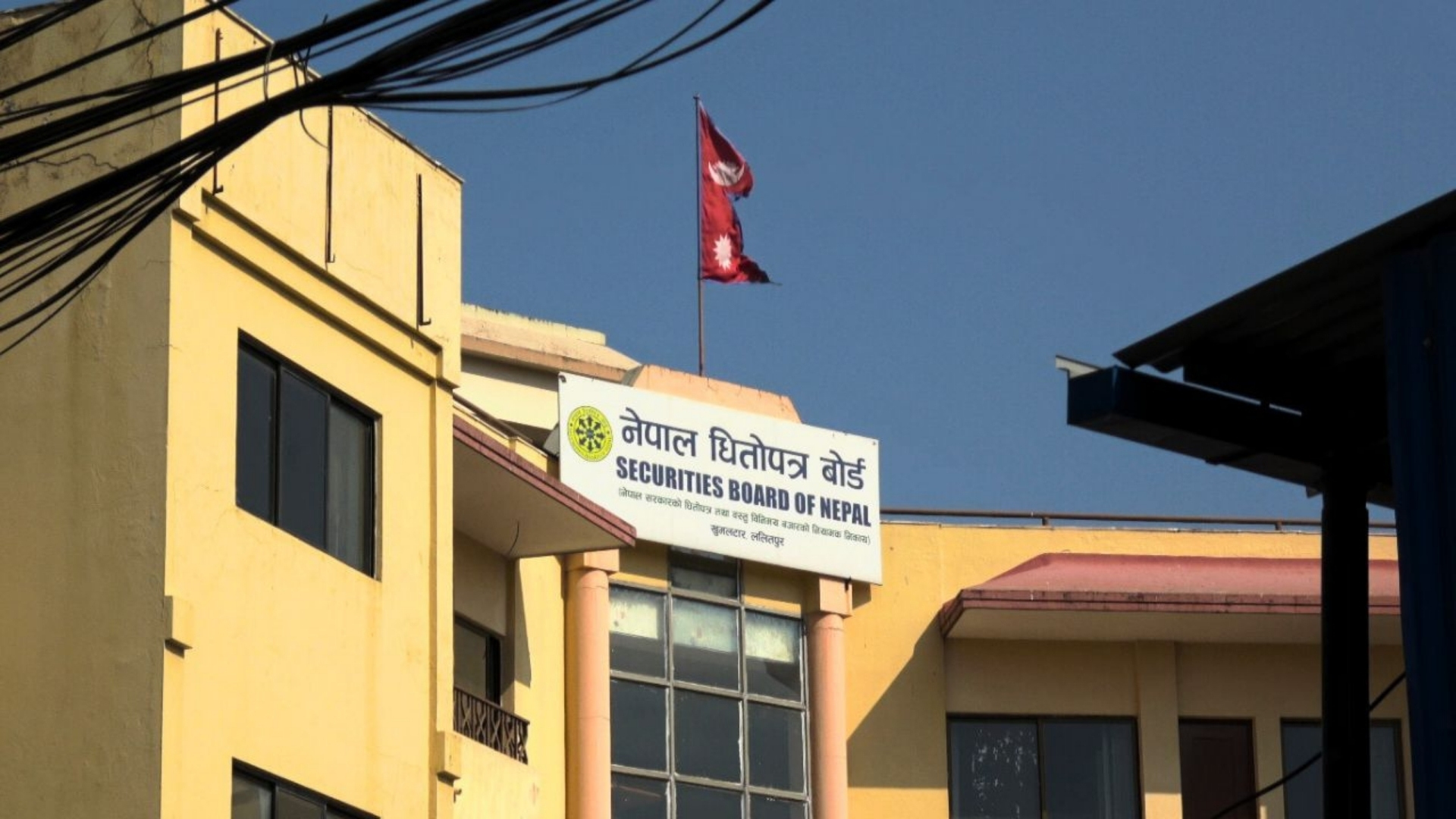
कडा प्रहार : मनी लाउन्डरिङविरुद्ध सरकार आक्रामक, कर छलदेखि इन्साइडर ट्रेडिङसम्म दायरामाStrong Crackdown: Government Expands Anti-Money Laundering Law, Covers Tax Evasion to Insider Trading
सरकारले सम्पत्ति शुद्धीकरण (मनी लाउन्डरिङ) नियन्त्रणलाई थप कडाइ गर्दै कानुनी दायरा उल्लेखनीय रूपमा विस्तार गरेको छ। संघीय संसद् अधिवेशन नभएको अवस्थामा संविधानको धारा ११४ अनुसार मन्त्रिपरिषद्को सिफारिसमा राष्ट्रपति रामचन्द्र पौडेल ले ‘सम्पत्ति शुद्धीकरण (तेस्रो संशोधन) अध्यादेश, २०८३’ जारी गरेका हुन्। नयाँ अध्यादेशले वित्तीय अपराधका विविध स्वरूपलाई पहिलोपटक स्पष्ट रूपमा मनी लाउन्डरिङसँग जोड्दै कडा कानुनी निगरानीको बाटो खोलेको छ।
अध्यादेशअनुसार अब राजस्व चुहावट, भन्सार छली, कर छल, धितोपत्र बजारमा हुने अनियमितता तथा भित्री कारोबार (इन्साइडर ट्रेडिङ) जस्ता गतिविधिहरू सिधै सम्पत्ति शुद्धीकरणसम्बन्धी कसूरको दायरामा पर्नेछन्। यसले विशेषगरी शेयर बजार तथा वित्तीय क्षेत्रमा हुने गैरकानुनी चलखेलमाथि कडा निगरानी र कारबाहीको संकेत दिएको छ।
मूल ऐनको दफा १३ संशोधन गर्दै कर प्रणालीसँग सम्बन्धित कसूर, बैंकिङ तथा वित्तीय कारोबार, विदेशी विनिमय, बीमा क्षेत्रका अनियमितता र बजारमा कृत्रिम प्रभाव पार्ने गतिविधि (मार्केट म्यानिपुलेसन) समेत समेटिएको छ। अब यस्ता गतिविधिबाट आर्जित सम्पत्तिबारे सूचना प्राप्त भएमा सम्बन्धित निकायले त्यसैका आधारमा अनुसन्धान अघि बढाउन सक्ने स्पष्ट कानुनी आधार तयार भएको छ।
त्यसैगरी, दफा २२ मा गरिएको संशोधनमार्फत मुद्दा दायर र पैरवी प्रक्रिया पनि स्पष्ट गरिएको छ। विभागसँग सम्बन्धित मुद्दा सरकारले तोकेको सरकारी वकिल कार्यालयले चलाउनेछ भने अन्य मुद्दा सम्बन्धित जिल्ला सरकारी वकिल कार्यालयमार्फत अघि बढाइने व्यवस्था गरिएको छ। यसले कानुनी प्रक्रिया थप व्यवस्थित र प्रभावकारी बनाउने अपेक्षा गरिएको छ।
अध्यादेशले विशेष अदालतमार्फत मुद्दा दायर गर्ने प्रावधान पनि समेटेको छ। अनुसन्धानबाट कसूर पुष्टि भएमा सरकारी वकिलले विशेष अदालतमा अभियोग दर्ता गर्नेछ। अझ महत्वपूर्ण कुरा, मूल कसूरमा मुद्दा नचलेको अवस्थामा पनि आवश्यक ठानेमा सम्बन्धित कसूर जोडेर अभियोजन गर्न सकिने व्यवस्था गरिएको छ, जसले कारबाहीलाई थप सशक्त बनाउने विश्वास गरिएको छ।
सरकारले यस संशोधनलाई वित्तीय प्रणालीलाई पारदर्शी, सुदृढ र अन्तर्राष्ट्रिय मापदण्डअनुकूल बनाउने महत्वपूर्ण कदमका रूपमा लिएको छ। नयाँ व्यवस्थाले अवैध आम्दानीलाई वैध बनाउने प्रयासमा रोक लगाउँदै वित्तीय अनुशासनमा कडाइ ल्याउने अपेक्षा गरिएको छ।
विशेषज्ञहरूका अनुसार, अध्यादेशको प्रभावकारी कार्यान्वयन भएमा कर छल, वित्तीय अनियमितता तथा शेयर बजारमा हुने चलखेल नियन्त्रणमा उल्लेखनीय सुधार आउनेछ र समग्र पुँजीबजारप्रतिको विश्वास बलियो बन्नेछ।

The government has significantly tightened its control over money laundering by expanding the legal framework to cover a wider range of financial crimes. In the absence of a federal parliament session, President Ramchandra Paudel issued the “Asset (Money) Laundering Prevention (Third Amendment) Ordinance, 2083” on the recommendation of the Council of Ministers, as per Article 114 of the Constitution.
The new ordinance, for the first time, clearly brings multiple forms of financial crimes under the scope of money laundering offenses. Activities such as revenue leakage, customs evasion, tax fraud, irregularities in the securities market, and insider trading will now be directly treated as money laundering crimes. This move signals stricter monitoring and enforcement, particularly in the stock market and financial sectors.
Amendments to Section 13 of the original law have broadened the scope to include offenses related to taxation, banking and financial transactions, foreign exchange, insurance irregularities, and market manipulation. Authorities can now initiate investigations based on information related to assets generated from such illegal activities, strengthening the legal basis for enforcement.
Similarly, changes to Section 22 have clarified the process of case filing and prosecution. Cases related to the department will be handled by designated government attorneys, while other cases will proceed through district government attorney offices. This is expected to make legal proceedings more structured and efficient.
The ordinance also introduces provisions for filing cases in a Special Court. If an offense is confirmed through investigation, government prosecutors will file charges in the Special Court. Importantly, even if the primary offense has not been formally charged, related offenses can still be prosecuted, making the legal process more robust and effective.
The government views this amendment as a major step toward making the financial system more transparent, stronger, and aligned with international standards. The new provisions are expected to curb illegal income legalization and enforce stricter financial discipline.
According to experts, if effectively implemented, the ordinance could significantly reduce tax evasion, financial irregularities, and manipulation in the stock market, ultimately strengthening investor confidence in the overall financial system.