न्यायिक सेवा डिजिटल बनाउन सर्वोच्चद्वारा सूचना प्रविधि नीति पारितSupreme Court Endorses ICT Policy to Advance E-Judiciary
सर्वोच्च अदालतले न्यायिक सेवालाई प्रविधिमैत्री, छिटोछरितो र पारदर्शी बनाउने उद्देश्यसहित ‘न्यायपालिकाको सूचना तथा सञ्चार प्रविधि नीति–२०८३’ पारित गरेको छ। दीर्घकालीन रूपमा ई–न्यायपालिका प्रणाली विकास गर्ने लक्ष्यसहित ल्याइएको उक्त नीति सर्वोच्च अदालतको फूलकोर्ट बैठकबाट स्वीकृत भएको हो।
प्रधानन्यायाधीश डा. मनोजकुमार शर्मासहित सर्वोच्च अदालतका सबै न्यायाधीश सहभागी फूलकोर्ट बैठकले असार १० गते नीति पारित गरेको हो। सर्वोच्च अदालतका प्रवक्ता अर्जुन कोइरालाका अनुसार प्रारम्भिक मस्यौदामाथि आवश्यक छलफल र परिमार्जनपछि नीति अनुमोदन गरिएको हो।
सर्वोच्च अदालतको पाँचौँ पञ्चवर्षीय रणनीतिक योजनाले सूचना प्रविधिमा आधारित न्याय प्रणाली विकास गर्ने लक्ष्य राखेको छ। सोही लक्ष्यलाई कार्यान्वयनमा लैजान नयाँ नीति ल्याइएको अदालतले जनाएको छ। नीतिले न्यायिक प्रक्रिया क्रमशः स्वचालित बनाउने, सेवाग्राहीलाई सहज सेवा दिने र अदालतको कार्यसम्पादनलाई डिजिटल प्रणालीमार्फत प्रभावकारी बनाउने उद्देश्य लिएको छ।
यसअघि २०८१ फागुन २२ गते सर्वोच्च अदालतले सूचना तथा सञ्चार प्रविधि नीति तर्जुमा समिति गठन गरेको थियो। न्यायाधीश बालकृष्ण ढकालको संयोजकत्वमा गठित समितिमा मुख्यरजिस्ट्रार विमल पौडेल, रजिस्ट्रार मानबहादुर कार्की, विद्युतीय सुशासन बोर्डका प्रमुख कार्यकारी अधिकृत दिपेश बिष्ट र राष्ट्रिय योजना आयोगका सहसचिव हरिशरण पुडासैनी सदस्य थिए।
त्यस्तै, सर्वोच्च अदालतका सूचना प्रविधि प्रबन्धक सत्यराम महर्जन र सूचना प्रविधि महाशाखाका सहरजिस्ट्रार पनि समितिमा सहभागी थिए। समितिलाई सूचना प्रविधिको अधिकतम प्रयोगमार्फत न्यायिक सेवा छिटो, गुणस्तरीय र प्रभावकारी बनाउने नीति सिफारिस गर्ने जिम्मेवारी दिइएको थियो।
समितिले तयार पारेको प्रस्तावलाई संशोधनसहित फूलकोर्टले अन्तिम स्वीकृति दिएको हो। नीतिअनुसार आगामी दिनमा अदालतको सेवा प्रवाह, अभिलेख व्यवस्थापन र प्रशासनिक प्रणालीलाई क्रमशः डिजिटल प्रणालीमा रूपान्तरण गरिनेछ।
न्यायिक सेवा सहज बनाउन छुट्टै ‘ई–न्याय पोर्टल’ विकास गर्ने योजना पनि नीतिमा समावेश गरिएको छ। उक्त पोर्टलमार्फत सेवाग्राहीले अदालतसँग सम्बन्धित विभिन्न सेवा अनलाइनबाटै प्राप्त गर्न सक्ने व्यवस्था मिलाइनेछ।
सर्वोच्च अदालतका सहरजिस्ट्रार श्रीलाल पौडेलका अनुसार नयाँ नीतिले कार्यदक्षता, पारदर्शिता, नवप्रवर्तन, न्यायमा पहुँच विस्तार र तथ्यांक सुरक्षालाई मुख्य प्राथमिकतामा राखेको छ। उनका अनुसार डिजिटल प्रणाली र स्वचालनमार्फत अदालतका कामकारबाहीलाई क्रमशः आधुनिक बनाइनेछ।
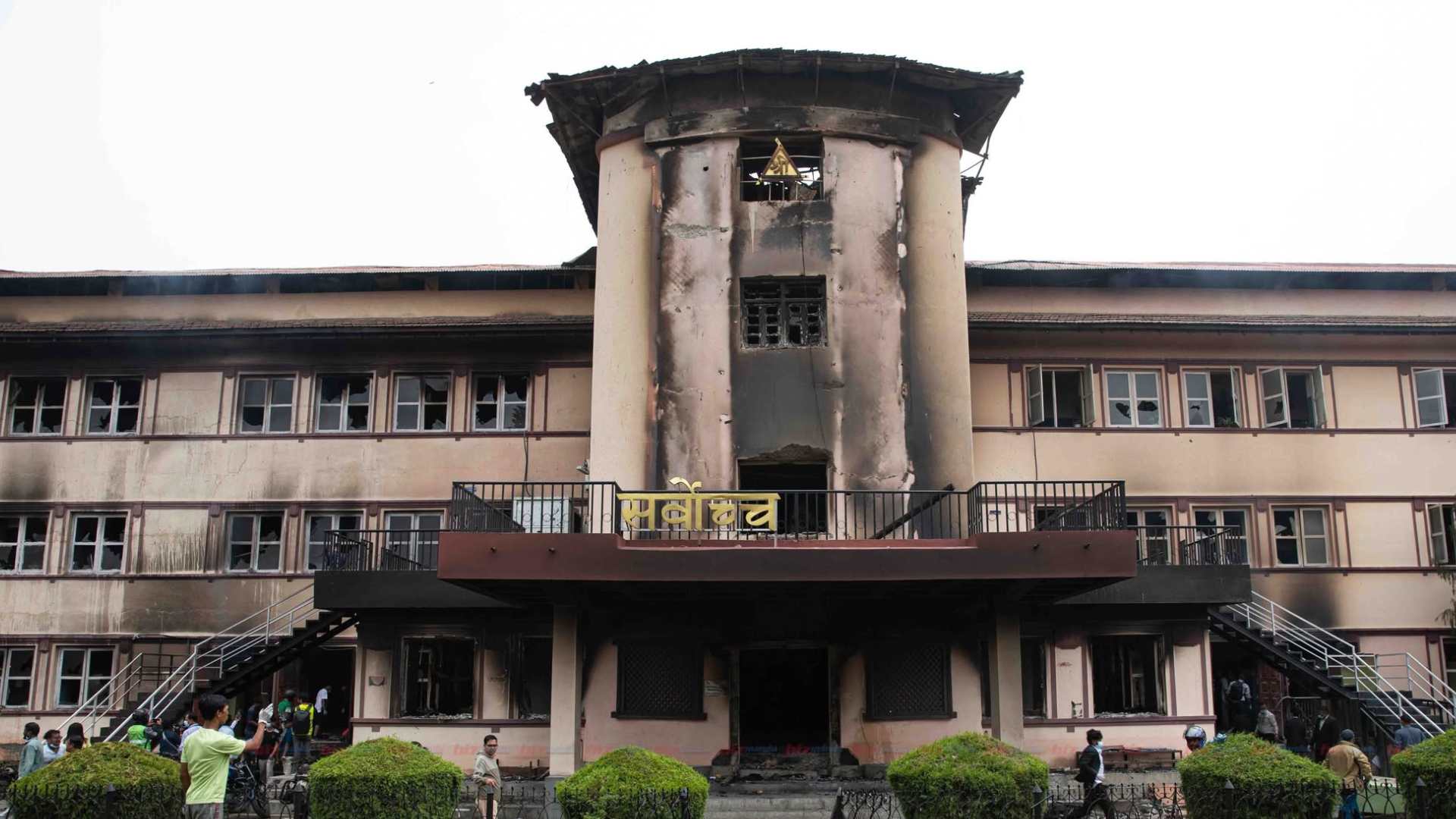
नीतिले विपद् वा संकटका समयमा अदालतका महत्त्वपूर्ण अभिलेख, मिसिल र कागजात सुरक्षित राख्ने विषयलाई पनि जोड दिएको छ। डिजिटल अभिलेख व्यवस्थाले आगलागी, भूकम्प वा अन्य प्राकृतिक विपद्का कारण न्यायिक कागजात नष्ट हुने जोखिम कम गर्ने अदालतको अपेक्षा छ।
नीति कार्यान्वयनका लागि विस्तृत ‘ई–न्यायपालिका गुरुयोजना’ तयार गरिने भएको छ। उक्त गुरुयोजनामा प्रविधिगत पूर्वाधार विस्तार, सफ्टवेयर प्रणालीको विकास र स्तरोन्नति, साइबर सुरक्षा, मानव स्रोतको क्षमता अभिवृद्धि, डेटा व्यवस्थापन र डिजिटल सेवाको विस्तारजस्ता विषय समेटिनेछन्।
सर्वोच्च अदालतले नयाँ सूचना प्रविधि नीति नेपालको न्यायिक प्रशासनलाई डिजिटल युगअनुकूल बनाउने महत्वपूर्ण आधार हुने जनाएको छ। अदालतका अनुसार यसले न्यायिक सेवामा सुशासन, पारदर्शिता र प्रविधिको संस्थागत प्रयोगलाई थप बलियो बनाउनेछ।

The Supreme Court has endorsed the “Judiciary Information and Communication Technology Policy–2083” with the aim of making judicial services more technology-friendly, efficient and transparent. The policy has been introduced as part of a long-term plan to gradually implement the concept of an e-judiciary in Nepal.
The policy was approved by a full court meeting of the Supreme Court on Asar 10. The meeting was attended by Chief Justice Dr Manoj Kumar Sharma and all justices of the apex court. Supreme Court spokesperson Arjun Koirala said the policy was endorsed after necessary revisions were made to the initial draft.
The new policy is linked to the Supreme Court’s Fifth Five-Year Strategic Plan, which prioritises the development of an information technology-based judicial system. Its main objective is to gradually automate judicial procedures, simplify service delivery and improve the overall performance of courts through digital systems.
Earlier, on Falgun 22, 2081, the Supreme Court had formed a committee to draft the ICT policy. The committee was led by Justice Bal Krishna Dhakal. Chief Registrar Bimal Paudel, Registrar Man Bahadur Karki, Chief Executive Officer of the Electronic Governance Board Dipesh Bista and Joint Secretary at the National Planning Commission Harisharan Pudasaini were among its members.
The committee also included Supreme Court IT Manager Satyaram Maharjan and the joint registrar of the court’s Information Technology Division as member secretary. The committee was tasked with recommending a policy to make judicial services faster, more reliable and more effective through the maximum use of information technology.
The proposal prepared by the committee was later revised and approved by the full court. Under the new policy, court infrastructure, service delivery, record management and administrative procedures will be gradually transformed into digital systems.
A separate “e-justice portal” will also be developed to make judicial services more accessible to service seekers. Through the portal, people will be able to access various court-related services online.
According to Supreme Court Joint Registrar Shreelal Paudel, the policy gives priority to efficiency, transparency, innovation, wider access to justice and data security. He said digital systems and automation would be used to modernise judicial work in a phased manner.
The policy also focuses on protecting court records, case files and important judicial documents during disasters or other emergencies. The Supreme Court expects that digital record management will reduce the risk of loss or damage to important documents during incidents such as fire, earthquakes and other natural disasters.
A detailed “e-judiciary master plan” will be prepared for the implementation of the policy. The master plan will cover the expansion of technological infrastructure, development and upgrading of software systems, strengthening of cyber security, capacity building of human resources, data management and expansion of digital services.
The Supreme Court has stated that the new ICT policy will serve as an important foundation for making Nepal’s judicial administration suitable for the digital age. The court expects the policy to strengthen good governance, transparency and the institutional use of modern technology in the justice system.