लघुवित्तविरुद्ध ‘ऋण तिर्दिनँ’ अभियान चलाउनेलाई कारबाही गर्न सर्वोच्चको आदेशSupreme Court Orders Government to Act Against ‘No Loan Repayment’ Campaigns Targeting Microfinance Institutions
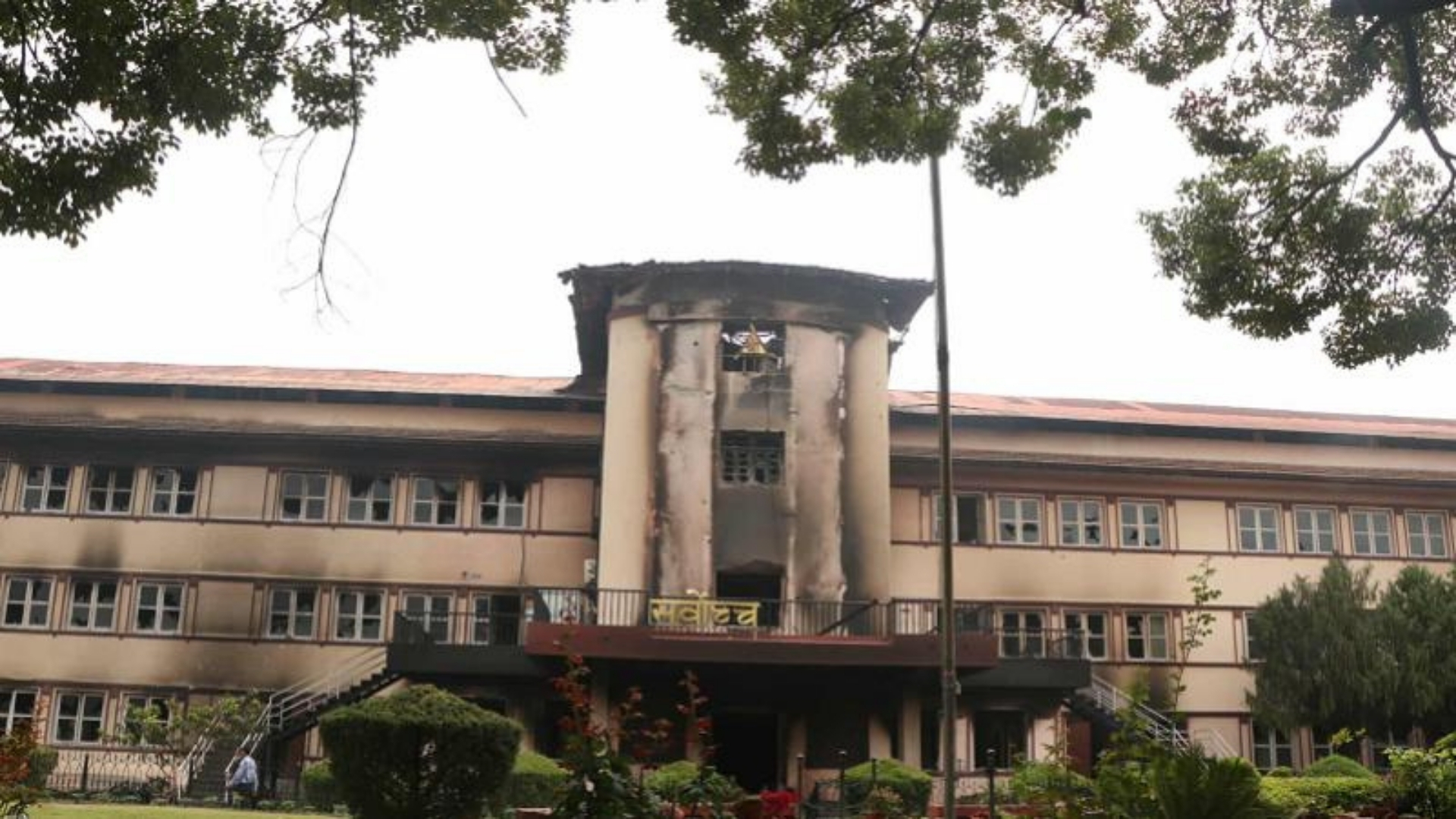
Supreme Court of Nepal ले लघुवित्त वित्तीय संस्थाहरूको कामकारबाहीमा अवरोध पुर्याउने तथा ‘ऋण तिर्दिनँ’ अभियान सञ्चालन गर्ने व्यक्ति र समूहलाई कानुनी दायरामा ल्याउन सरकारका नाममा परमादेश जारी गरेको छ ।
न्यायाधीशद्वय Hari Prasad Phuyal र Bal Krishna Dhakal को संयुक्त इजलासले २०८२ पुस ६ गते सुनाएको फैसलामा लघुवित्त संस्थाको नियमित कामकारबाहीमा अवरोध गर्ने समूह तथा व्यक्तिमाथि तत्काल प्रभावकारी कारबाही गर्न सरकार र सम्बन्धित निकायलाई निर्देशन दिएको हो ।
अधिवक्ता सदिन कार्कीसहितले दायर गरेको रिटमाथि सुनुवाइ गर्दै सर्वोच्चले लघुवित्त संस्थाविरुद्ध भइरहेका संगठित गतिविधि नियन्त्रण गर्न राज्य संयन्त्र सक्रिय हुनुपर्ने स्पष्ट गरेको छ । अदालतले कानुनी रूपमा सञ्चालनमा रहेका वित्तीय संस्थाको काममा अवरोध सिर्जना गर्नु, ऋण नतिर्न उक्साउनु तथा कर्जा मिनाहा हुने भ्रामक प्रचार गर्नु गैरकानुनी कार्य भएको ठहर गरेको छ ।
फैसलामा लघुवित्त संस्थाका कर्मचारी तथा सदस्यमाथि धम्की दिने, कार्यालयमा अवरोध सिर्जना गर्ने, धितो सम्पत्तिमा कब्जा वा हस्तक्षेप गर्ने तथा ऋणीलाई झुटा आश्वासनमार्फत संगठित बनाउने गतिविधिलाई गम्भीर कानुनी उल्लङ्घनका रूपमा व्याख्या गरिएको छ । अदालतले यस्ता गतिविधि रोक्न सरकार र प्रहरी प्रशासनको भूमिका प्रभावकारी नभएको टिप्पणी पनि गरेको छ ।
सर्वोच्चले राज्यको दायित्व केवल सुरक्षा व्यवस्थामा सीमित नरहने उल्लेख गर्दै वित्तीय प्रणालीप्रति जनविश्वास कायम राख्न पनि सरकार जिम्मेवार हुनुपर्ने बताएको छ । अदालतले लघुवित्त क्षेत्रलाई केवल कर्जा प्रवाह गर्ने माध्यमका रूपमा नभई गरिबी निवारण, महिला सशक्तीकरण तथा ग्रामीण अर्थतन्त्रसँग जोडिएको महत्वपूर्ण संरचनाका रूपमा व्याख्या गरेको छ ।
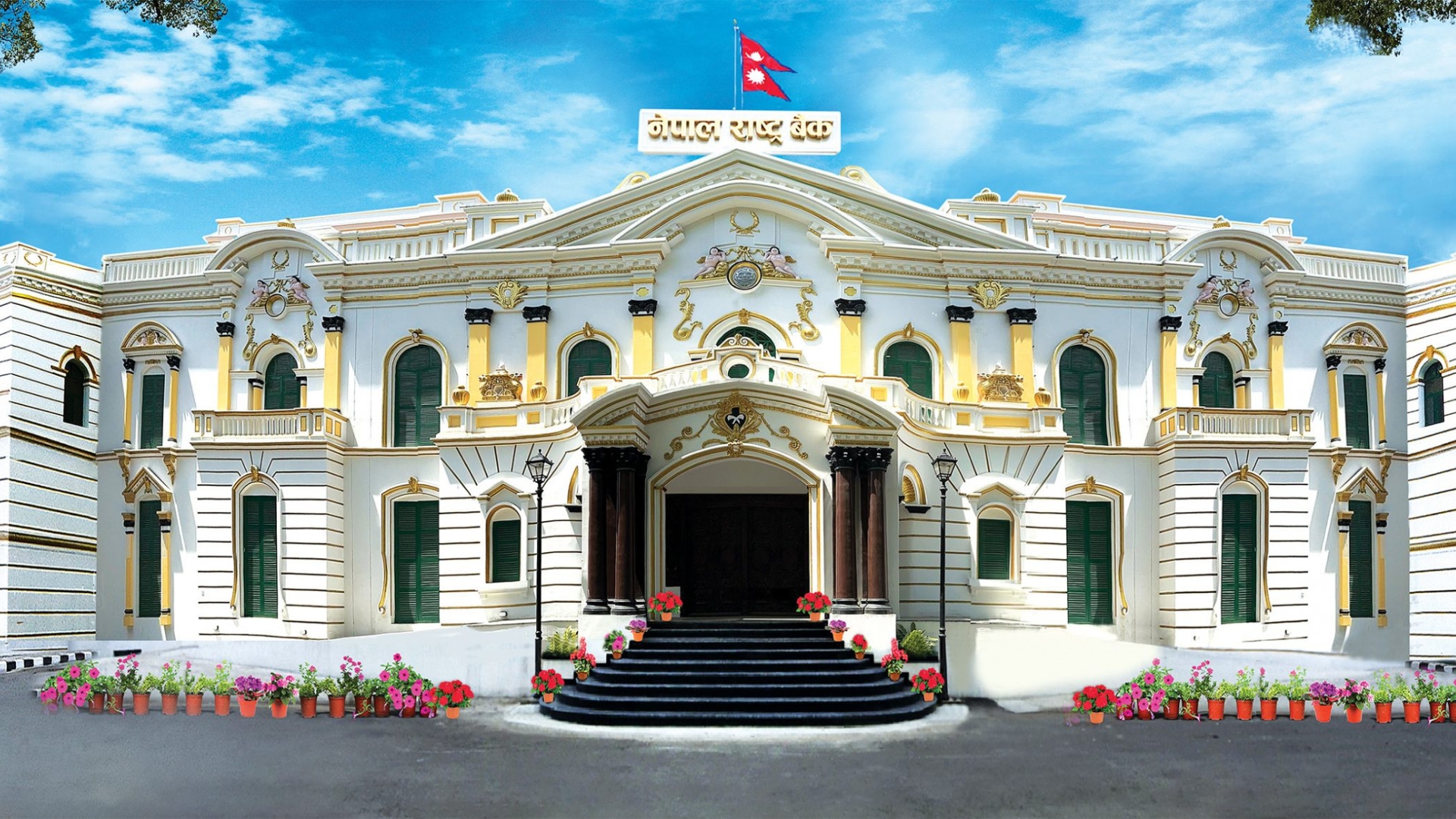
Nepal Rastra Bank को तथ्यांकअनुसार हाल देशभर ५२ वटा लघुवित्त वित्तीय संस्था सञ्चालनमा रहेका छन् । ती संस्थामा ६२ लाखभन्दा बढी सदस्य आबद्ध छन्, जसमा अधिकांश महिला रहेका छन् । लघुवित्त क्षेत्रमा हाल करिब ४ खर्ब ९१ अर्ब रुपैयाँ बराबरको लगानी रहेको उल्लेख गरिएको छ ।
फैसलामा वित्तीय प्रणालीविरुद्ध योजनाबद्ध रूपमा हुने अवरोधलाई आपराधिक प्रकृतिको गतिविधि भन्दै राज्यलाई निगरानी, सुरक्षा तथा कानुनी कार्यान्वयन संयन्त्र थप प्रभावकारी बनाउन निर्देशन दिइएको छ । अदालतको यो आदेशपछि लघुवित्त क्षेत्रविरुद्ध भइरहेका आन्दोलन तथा ‘ऋण तिर्दिनँ’ अभियानमाथि सरकार थप कडा रूपमा प्रस्तुत हुन सक्ने संकेत देखिएको छ ।

Supreme Court of Nepal has issued a mandamus order directing the government to take legal action against individuals and groups obstructing the operations of microfinance institutions and promoting campaigns encouraging borrowers not to repay loans.
A joint bench of Justices Hari Prasad Phuyal and Bal Krishna Dhakal ruled that the government and concerned authorities must immediately enforce effective legal measures against activities disrupting the lawful functioning of microfinance institutions. The verdict was delivered on January 19, 2026 (Poush 6, 2082 BS).
The court issued the order while hearing a writ petition filed by advocate Sadin Karki and others. In its decision, the Supreme Court stated that state agencies must become more active in controlling organised campaigns targeting the microfinance sector. The bench concluded that obstructing legally operating financial institutions, encouraging borrowers to refuse repayment and spreading misleading claims about loan waivers constitute unlawful activities.
The verdict also highlighted incidents involving threats and attacks against microfinance employees and members, obstruction of office operations and interference with collateral assets. The court stated that providing false assurances regarding loan cancellation and mobilising borrowers through organised pressure tactics were serious violations of the law.
The Supreme Court further observed that the role of the government and law enforcement agencies in controlling such activities had appeared weak. It stressed that the state has a responsibility not only to maintain public order but also to ensure the security and stability of financial institutions operating under existing laws.
In its interpretation, the court described microfinance institutions as more than just financial entities, stating that they play a significant role in poverty reduction, rural economic activity and women’s empowerment. The ruling noted that the microfinance system has become an important financial support mechanism, particularly for low-income and rural communities.
According to data from Nepal Rastra Bank, there are currently 52 microfinance financial institutions operating across the country with more than 6.2 million members, the majority of whom are women. The sector has investments worth approximately Rs 491 billion.
The Supreme Court also characterised organised attempts to disrupt the financial system as criminal activities and instructed the state to strengthen monitoring, security and legal enforcement mechanisms. The ruling is expected to increase pressure on the government to take stricter action against anti-microfinance protests and organised “no repayment” movements in the coming days.