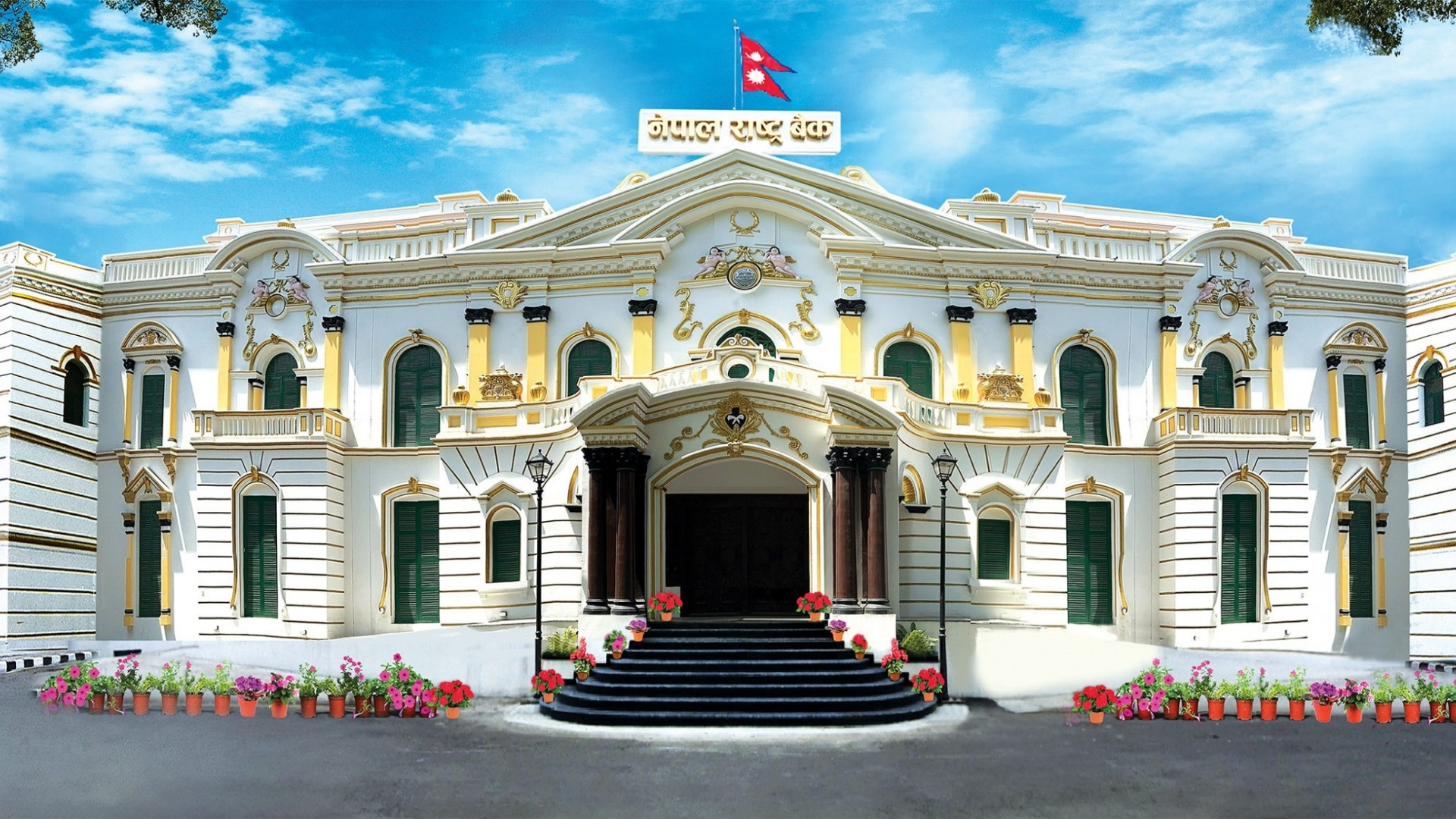
काठमाडौं । कर्जा माग कमजोर हुनुका साथै अर्थतन्त्र सुस्त गतिमा चलिरहेकाले बैंक तथा वित्तीय संस्थामा तरलता थुप्रिने क्रम तीव्र बनेको छ । पछिल्लो तथ्यांकअनुसार बैंकहरूले लगानी गर्न नसकेको ९ खर्ब ७३ अर्ब ७० करोड रुपैयाँ नेपाल राष्ट्र बैंकमा राखेका छन् भने बैंकिङ प्रणालीमा अझै पनि करिब पौने १३ खर्ब रुपैयाँ बराबरको लगानीयोग्य रकम उपलब्ध रहेको देखिएको छ । राष्ट्र बैंकले वित्तीय प्रणालीमा अत्यधिक तरलता व्यवस्थापन गर्न निक्षेप संकलन उपकरण र राष्ट्र बैंक ऋणपत्रमार्फत उक्त रकम तानेको हो। कुल रकममध्ये ७ खर्ब ७३ अर्ब ७० करोड रुपैयाँ निक्षेप संकलन उपकरणमार्फत र २ खर्ब रुपैयाँ राष्ट्र बैंक ऋणपत्रमार्फत संकलन गरिएको छ ।
हाल बैंक दर ६ प्रतिशत र स्थायी निक्षेप सुविधा दर २.७५ प्रतिशत कायम रहेको छ । कर्जा विस्तार कमजोर हुँदा बैंकहरूले २.६३ प्रतिशतदेखि ३ प्रतिशतसम्म ब्याजदरमा राष्ट्र बैंकमा रकम राख्न बाध्य भएका छन् । करिब दुई वर्षदेखि बैंकिङ प्रणालीमा पैसा थुप्रिए पनि सोही अनुपातमा कर्जा लगानी विस्तार हुन सकेको छैन। यसले अर्थतन्त्रमा माग पक्ष कमजोर रहेको संकेत गरेको छ ।
राष्ट्र बैंकको पछिल्लो तथ्यांकअनुसार बैंकिङ प्रणालीमा कुल निक्षेप ७९ खर्ब ५२ अर्ब रुपैयाँ पुगेको छ भने कर्जा प्रवाह ५८ खर्ब ७४ अर्ब रुपैयाँमा सीमित छ। बैंकहरूले निक्षेपको तुलनामा ७३.१८ प्रतिशत मात्र कर्जा लगानी गरेका छन् । वाणिज्य बैंकहरूको निक्षेप ७१ खर्ब ७२ अर्ब रुपैयाँ र विकास बैंक तथा फाइनान्स कम्पनीहरूको संयुक्त निक्षेप ७ खर्ब ८० अर्ब रुपैयाँ रहेको छ। कर्जा प्रवाहतर्फ वाणिज्य बैंकहरूले ५२ खर्ब २६ अर्ब रुपैयाँ लगानी गरेका छन् भने अन्य वित्तीय संस्थाको हिस्सा ६ खर्ब ४८ अर्ब रुपैयाँ रहेको छ। पर्याप्त तरलता हुँदाहुँदै पनि गुणस्तरीय कर्जा माग अभावका कारण बैंकहरूको पुँजी परिचालन चुनौतीपूर्ण बन्दै गएको विश्लेषण गरिएको छ ।
Kathmandu — Weak credit demand and a sluggish economy have led to a sharp rise in excess liquidity within Nepal’s banking system. According to the latest data, banks and financial institutions have parked NPR 973.70 billion at the Nepal Rastra Bank (NRB), while the banking system still holds nearly NPR 1.3 trillion in lendable funds. The central bank has absorbed the excess liquidity through deposit collection instruments and NRB bonds as part of its monetary management measures. Out of the total amount absorbed, NPR 773.70 billion was collected through deposit collection tools, while NPR 200 billion was mopped up through NRB bonds.
Currently, the bank rate stands at 6 percent, while the Standing Deposit Facility (SDF) rate is 2.75 percent. Due to sluggish credit expansion, banks have been depositing excess funds at the central bank at interest rates ranging between 2.63 percent and 3 percent. Excess liquidity has persisted in the banking system for nearly two years, reflecting weak demand in the economy despite rising deposits.
NRB data show that total deposits in Nepal’s banking system have crossed NPR 7.952 trillion, whereas total credit disbursement remains limited to NPR 5.874 trillion. Banks have invested only 73.18 percent of total deposits into loans, indicating a significant buildup of investable resources. Commercial banks account for NPR 7.172 trillion in deposits, while development banks and finance companies together hold NPR 780 billion. On the lending side, commercial banks have invested NPR 5.226 trillion, while other financial institutions account for NPR 648 billion. Despite ample liquidity in the financial system, weak demand for quality loans has made effective capital mobilization increasingly challenging for banks.