
NEPSEtrading

Live NEPSE data, charts, broker analysis and portfolio tools for investors in Nepal.

Subscribe to our newsletter

Weekly insights from the NEPSE market in your inbox.

Marketminds Investment Group Private Limited

Registration
DOIB certificate no. 4680-2081/2082
Editor-in-chief
Dipesh Ghimire, Director
9802363868, 9851119988
Office
Koteshwor 32, Kathmandu
Phone
01-5253221, +977 9709066745
Email

Contact support

Market

  • Stocks
  • Sectors

Company

  • About Us
  • Our Team
  • Terms of Use
  • Our Policy
  • Training
  • Contact Us

Help

  • Support
  • Report
  • FAQ

Get the app

Markets, signals and alerts on your phone.

Get it onGoogle Play

More from NEPSE Trading

  • Stock EducationFree share market courses
  • EconomyNepal and world economic data
  • BFIS CompareBank rates, loans and insurance
  • Nepal's CapitalsMutual fund NAV and dividends
  • JobsNepalJobs in Nepal

nepsetrading.com is an online news portal that provides insights into trading and investment by analyzing the stock market and the global economy. We create charts based on the analysis of various indicators. Please do not rely solely on this information for investment decisions. Self-study is crucial. Use this information only as an educational and informational resource.

© 2026 nepsetrading.com. All rights reserved. Owned and operated by Marketminds Investment Group Private Limited.·Charts powered by TradingView

  • Portfolio
  • Explore
  • Calendar
  • Chart
  • Social
  • News
  • Account
  1. News
  2. Stock
  3. Why Didn't NEPSE Rise Despite the 21-Point Relief? Experts Point Finger at SEBON's 15-Day ...

२१ बुँदे राहत दिँदा पनि नेप्से किन उठेन? जानकारको औँला सेबोनको १५ दिने नियमतिरWhy Didn't NEPSE Rise Despite the 21-Point Relief? Experts Point Finger at SEBON's 15-Day Rule

NEPSE TRADINGUpdated on October 4, 20267 min read
२१ बुँदे राहत दिँदा पनि नेप्से किन उठेन? जानकारको औँला सेबोनको १५ दिने नियमतिर

सेयर बजारलाई गिरावटबाट जोगाउने भन्दै सरकारले २९ भदौमा २१ बुँदे कार्ययोजना सार्वजनिक गर्‍यो। पुँजीगत लाभकर घटाइयो, बैंक तथा वित्तीय संस्थाले सेयर बेच्न कुर्नुपर्ने अवधि छोटो बनाइयो, सेयर बायब्याक र स्प्लिटको बाटो खोल्ने भनियो। तर घोषणा भएको केही सातापछि पनि बजारको चाल उल्टो छ। नेप्से यस साता पनि घट्यो, कारोबार खुम्चियो र लगानीकर्ताको उत्साह फेरि सेलाएको छ। बजारका ठूला खेलाडी र जानकारहरू यसको एउटा प्रमुख कारण धितोपत्र बोर्ड (सेबोन) को नयाँ सूचना व्यवस्थालाई देख्छन्।

साताको तथ्यांकले बजारको थकान स्पष्ट देखाउँछ। पाँच कारोबार दिनमध्ये चार दिन नेप्से रातो रंगमै बन्द भयो। अघिल्लो साता २,६२९.८१ अंकमा टिकेको परिसूचक यस साता ४२.५६ अंक (१.६२ प्रतिशत) घटेर २,५८७.२५ मा झर्‍यो। सेन्सेटिभ, फ्लोट र सेन्सेटिभ–फ्लोट परिसूचक पनि १ प्रतिशतभन्दा बढी घटे। त्यसले गिरावट साना सेयरमा मात्र सीमित नरहेको, ठूला र बलिया कम्पनीका लगानीकर्ता पनि निराश भएको देखाउँछ। यही अवधिमा बजार पुँजीकरण ४५ खर्ब २३ अर्बबाट घटेर ४४ खर्ब ५० अर्बमा आइपुग्यो, अर्थात् एक साताको अन्तरमा ७३ अर्ब रुपैयाँको सम्पत्ति मेटियो।

अझ चिन्ताजनक पक्ष कारोबारको आकार हो। अघिल्लो साता दैनिक औसत ६ अर्ब २८ करोड रुपैयाँ बराबरको कारोबार भएकोमा यस साता त्यो २३.६५ प्रतिशतले घटेर ४ अर्ब ७९ करोडमा सीमित भयो। खरिदबिक्री भएको सेयर कित्ता करिब ४० प्रतिशत र कारोबार संख्या झन्डै १६ प्रतिशतले घटेको छ। मूल्य घट्नुभन्दा बढी चिन्ताको विषय किन्न आउनेहरूको संख्या घट्नु हो। कारोबार सुक्दै जाँदा थोरै बिक्रीले पनि मूल्य ठूलो घट्ने जोखिम बढ्छ, जुन बजार बलियो हुँदा देखिँदैन।

क्षेत्रगत तस्बिर पनि उत्तिकै कमजोर छ। नेप्सेमा सूचीकृत सबै १३ उपसमूह यस साता रातो भए। होटल तथा पर्यटन उपसमूह २.७१ प्रतिशत (१९४.११ अंक) घटेर ६,९७७.०८ मा झर्‍यो, जुन प्रतिशतमा सबैभन्दा ठूलो गिरावट हो। अंकका हिसाबले भने जीवन बीमा उपसमूह २३२.७६ अंकले घटेर सबैभन्दा ठूलो झट्का खायो। बैंकिङ (०.६८ प्रतिशत) र म्युचुअल फन्ड (०.२० अंक) ले भने तुलनात्मक रूपमा धैर्य देखाए। यसले बजार सबैतिर विक्री गर्ने हतारमा भने छैन, तर कहीँ पनि नयाँ पैसा खन्याउने आँट गर्ने अवस्था पनि छैन भन्ने संकेत गर्छ।

प्राविधिक विश्लेषणले पनि तत्काल ठूलो उछालको आधार कमजोर देखाएको छ। दैनिक चार्टमा प्रत्येक उकालोपछि अघिल्लो उचाइ नाघ्न नसक्ने र प्रत्येक ओरालोमा अघिल्लो तल्लो बिन्दुभन्दा तल पुग्ने क्रम (लोअर हाई, लोअर लो) कायम छ। एमएसीडी नकारात्मक क्षेत्रमै छ भने आरएसआई ४३ देखि ४५ को बीचमा घुमिरहेको छ। यसको अर्थ बजारमा बिक्रीकर्ताको हात माथि छ र माथि जाने गति सुस्त छ। तैपनि विश्लेषकहरू २,५०० देखि २,५४६ अंकबीचको क्षेत्रलाई बलियो सपोर्ट मान्छन्। बजार त्यो क्षेत्रको नजिक पुगिसकेकाले त्यहाँबाट प्राविधिक रिबाउन्डको सम्भावना जीवितै रहेको उनीहरूको भनाइ छ।

यहाँ प्रश्न उठ्छ, सरकारले यति ठूलो राहत दिँदा पनि बजार किन बौरिएन? कार्ययोजना सार्वजनिक हुँदा नेप्से करिब २,५८० अंकमा थियो। त्यसपछि सूचक २,६८० अंकसम्म पुग्यो, तर फेरि घटेर २,५८० कै वरिपरि फर्कियो। योजनाको घोषणाले जन्माएको आशा केही दिन टिकेर विलायो भन्ने यसले देखाउँछ। विशेषगरी पुँजीगत लाभकरलाई ५० प्रतिशत घटाएर प्राकृतिक व्यक्तिको हकमा ५ प्रतिशत र ३.७५ प्रतिशतमा झारिएको थियो। बजेटले बढाएको दरभन्दा पनि ठूलो कटौती हुँदा त्यसलाई लगानीकर्ताले अपेक्षाभन्दा उदार निर्णयका रूपमा लिएका थिए।

यसै बेला सेबोनको एउटा व्यवस्था बजारको बहसको केन्द्रमा आएको छ। सूचीकृत कम्पनीका आधारभूत सेयरधनीले आफूसँग भएको सेयरको ५ प्रतिशत वा सोभन्दा बढी बेच्न चाहेमा कम्तीमा १५ दिनअघि कम्पनीलाई जानकारी दिनुपर्ने र कम्पनीले त्यो सूचना नेप्सेमार्फत सार्वजनिक गर्नुपर्ने व्यवस्था लागू भएको छ। असोज ७ मा बोर्डले यसको औचित्य, अन्तर्राष्ट्रिय अभ्यास र प्रस्तावित नियामकीय ढाँचाबारे अवधारणापत्र पनि सार्वजनिक गरेको छ।

आधारभूत सेयरधनी को हो भन्ने प्रश्नमै यो विषयको जड छ। चुक्ता पुँजी २५ करोड रुपैयाँभन्दा बढी भएको कम्पनीमा १ प्रतिशत वा सोभन्दा बढी सेयर लिने जोकोही यस दायरामा पर्छ, चाहे ऊ संस्थापक होस् वा दोस्रो बजारबाट किनेको लगानीकर्ता। २५ करोडभन्दा कम पुँजी भएको कम्पनीमा यो सीमा ५ प्रतिशत हो। नेपालका अधिकांश सूचीकृत कम्पनीको चुक्ता पुँजी करिब डेढ अर्बदेखि तीन–चार अर्बको दायरामा छ। उदाहरणका लागि डेढ अर्ब रुपैयाँ पुँजी भएको कम्पनीमा करिब १ करोड ५० लाख कित्ता सेयर हुन्छ, जसको १ प्रतिशत १ लाख ५० हजार कित्ता हुन्छ। त्यति सेयर जोडेपछि लगानीकर्ता आधारभूत सेयरधनी बन्छ, र त्यसको ५ प्रतिशत अर्थात् साढे ७ हजार कित्ता बेच्नुअघि पनि उसले १५ दिनअघि सार्वजनिक सूचना दिनुपर्छ।

जानकारहरूको आपत्ति यही छ। संस्थापक वा रणनीतिक साझेदारले ठूलो हिस्सा बेच्नु कम्पनीको स्वामित्व र नियन्त्रणसँग जोडिने विषय हो, त्यसैले बजारलाई जानकारी दिनुपर्ने तर्क स्वाभाविक छ। तर कम्पनी सञ्चालनमा कुनै भूमिका नभएको, भित्री सूचनामा पहुँच नभएको र नाफा कमाउन मात्र दोस्रो बजारबाट सेयर किनेको लगानीकर्ता पनि त्यही घेरामा पर्छ। नेपालमा सेयर लिएर बजार घट्दा कमाउने बाटो छैन। यहाँ कमाइको मुख्य बाटो सस्तोमा किनेर महँगोमा बेच्नु हो। त्यस्तो बजारमा बिक्री सहज नहुनु भनेको निकासको ढोकामा ताला लाग्नु हो।

यसको असर बेच्ने बेलामा मात्र सीमित हुँदैन, किन्ने निर्णयमा समेत पर्छ। लगानीकर्ताले सेयर किन्नुअघि नै बाहिर निस्कने बाटो कति सहज छ भनेर हिसाब गर्छ। ठूलो परिमाणमा सेयर जोडेपछि अलिकति नाफा बटुल्न पनि १५ दिनअघि आफ्नो मनसाय सार्वजनिक गर्नुपर्ने भए ऊ १ प्रतिशतको सीमा नाघ्नै नचाहन सक्छ। त्यसपछि ठूला लगानीकर्ता सीमाभित्रै बसेर सानो–सानो परिमाणमा किनबेच गर्न थाल्छन् भन्ने तर्क जानकारहरूले गरेका छन्। संस्थागत लगानीकर्ता र गैरआवासीय नेपालीलाई बजार भित्र्याउने भनेर सरकारले घोषणा गरेको घडीमै यस्तो अवरोध खडा हुनु नीतिगत विरोधाभास हो।

यसमा अर्को तर्कसंगत जोखिम छ। कुनै लगानीकर्ताले १५ दिनपछि सेयर बेच्ने भनी सार्वजनिक घोषणा गरिसकेपछि अरू सहभागीले ऊभन्दा अघि नै बेचेर निस्कन खोज्नु अस्वाभाविक होइन। यस्तो अवस्थामा मूल्य पहिल्यै खस्न सक्छ, र जसले सूचना दियो उसैले आफ्नै घोषणाको क्षति बेहोर्नुपर्ने हुन्छ। सेयर बजार तथ्यांकले मात्र होइन, मनोविज्ञानले पनि चल्ने भएकाले सम्भावित बिक्रीको सूचनाले नै बजारमा अनावश्यक दबाब सिर्जना गर्न सक्छ।

तर सेबोनको चिन्तालाई पूर्ण रूपमा नकार्न मिल्दैन। साना पुँजी भएका कम्पनीमा केही व्यक्तिले सेयर संकलन गरेर मूल्य उचाल्ने र पछि एकैपटक ठूलो परिमाणमा बेचेर निस्कने 'पम्प एन्ड डम्प' प्रवृत्ति यथार्थ हो। उदाहरणका लागि १० लाख कित्ता जति सेयर भएको कम्पनीमा ५० हजार कित्ता सेयर लिने लगानीकर्ता नै आधारभूत सेयरधनी बन्न सक्छ। त्यहाँ ठूलो बिक्रीले मूल्यमा तीव्र असर पार्न सक्छ, र पारदर्शिताको आवश्यकता पनि बढी हुन्छ। बोर्डको मूल उद्देश्य पारदर्शिता बढाउनु, लगानीकर्तालाई पर्याप्त सूचना दिनु र अचानक हुने ठूला बिक्रीको धक्का कम गर्नु भएको देखिन्छ। समस्या उद्देश्यमा होइन, त्यसको दायरा र प्रक्रियामा छ।

अन्तर्राष्ट्रिय अभ्यासले पनि नेपालको व्यवस्था फरक रहेको देखाउँछ। भारतमा ५ प्रतिशत वा सोभन्दा बढी सेयर वा मताधिकार हुनेले होल्डिङमा २ प्रतिशत बिन्दुको परिवर्तन हुँदा दुई कार्यदिनभित्र स्टक एक्सचेन्जलाई जानकारी दिनुपर्छ। प्रमोटरका लागि 'अफर फर सेल' (ओएफएस) को छुट्टै कारोबार व्यवस्था पनि छ। सिंगापुर, मलेसिया र बंगलादेशमा ५ प्रतिशतको सीमा छ, बेलायतमा ३ प्रतिशतबाट महत्वपूर्ण सेयरधारण मानिन्छ। अमेरिकामा सञ्चालक तथा कम्पनीसँग जोडिएका व्यक्तिको कारोबारमा छुट्टै खुलासा गर्नुपर्ने व्यवस्था छ। कतै पनि सामान्य बिक्रीअघि १५ दिन कुर्नुपर्ने व्यवस्था प्रमुख अभ्यास होइन। प्रायः सीमा नाघेपछि र सेयरधारणमा परिवर्तन भएपछि जानकारी दिने ढाँचा देखिन्छ। नेपालले भने १ प्रतिशतको कम सीमा राखेर बिक्री हुनुअघि नै सूचना माग्ने उल्टो बाटो लिएको छ।

त्यसैले बजारका सरोकारवालाले सीमा र अवधि दुवै पुनरावलोकन गर्न माग गरेका छन्। आधारभूत सेयरधनीको सीमा कम्तीमा ५ प्रतिशत, बजारको अवस्था हेरेर ७.५ वा १० प्रतिशतसम्म बनाउन सकिने सुझाव छ। सूचना दिनुपर्ने अवधि १५ दिनबाट घटाएर बढीमा तीन दिन बनाउन सकिने विकल्पमा पनि छलफल हुन सक्ने उनीहरूको भनाइ छ। यदि लक्ष्य लकइन अवधि सकिएपछि संस्थापक र रणनीतिक साझेदारले गर्ने अन्धाधुन्ध बिक्री रोक्नु हो भने नियम त्यही वर्गमा केन्द्रित गर्नुपर्ने तर्क छ। 'पम्प एन्ड डम्प' रोक्न त बोर्डसँग निगरानी, सुपरिवेक्षण र कारबाहीको अधिकार पहिल्यैदेखि छ।

यद्यपि, बजारको यो गिरावटलाई एउटै नियमको परिणाम मान्नु पनि सहज हुँदैन। सरकार गठनदेखि नै बजार कमजोर छ, कारोबार रकम घटेको छ, र लगानीकर्ताको विश्वास पुनर्स्थापित हुन समय लाग्छ। बोर्डले अन्तरदिवसीय कारोबार र इन्ट्राडे सर्ट सेलिङ, दलाल व्यवसायीको क्षमता विस्तार, डिस्क्लोजर प्रणाली सुधार, नेप्सेको पुनर्संरचना, आईपीओका नयाँ मापदण्ड र १० वर्षे ब्लुप्रिन्टजस्ता सुधार अघि बढाइरहेको छ। यी दीर्घकालीन काम हुन्, तत्काल बजार उठाउने औषधि होइनन्। तर सरकारले एकातिर कर घटाएर बजारलाई प्रोत्साहन दिने र नियामकले अर्कोतिर निकासमा अवरोध थप्ने अवस्था रहिरहे नीतिगत सन्देश नै अस्पष्ट हुन्छ। राहतको प्रभाव बजारमा देखिन विभिन्न निकायबीच समन्वय आवश्यक छ।

बजार भित्रका चालले पनि लगानीकर्ताको मनोविज्ञान झल्काउँछ। यस साता सिन्धु विकास बैंकको मूल्य सबैभन्दा बढी ७.२० प्रतिशत बढ्यो। माण्डू हाइड्रोपावर र १०.७५ प्रतिशत एसबिएल डिबेन्चर २०८९ पनि करिब ७ प्रतिशतले बढे। एपोलो हाइड्रोपावर भने ११.८० प्रतिशत घटेर सबैभन्दा बढी नोक्सानमा रह्यो। फ्लोरसिटमा ठूला लगानीकर्ताको रोजाइमा ७ प्रतिशत लक्ष्मी सनराइज डिबेन्चर, शाइन रेसुङ्गा डिबेन्चर र एभरेष्ट बैंकजस्ता तुलनात्मक सुरक्षित र प्रतिफल दिने सम्पत्ति परे। इमर्जिङ नेपाल, मन्दाकिनी हाइड्रोपावर र फरवार्ड माइक्रोफाइनान्स भने सबैभन्दा बढी बेचिएका सेयरमा अग्रपंक्तिमा देखिए। बजार जोखिमबाट भाग्दै सुरक्षित ठाउँ खोजिरहेको संकेत यसले दिन्छ। यही साता युनाइटेड अजोड इन्स्योरेन्स र कालिका पावरको गरी १६ लाख ४३ हजार ७६४ कित्ता बोनस सेयर सूचीकृत भएर कारोबारमा थपिएको छ।

अबको प्रश्न दुई कुरामा अडिएको छ। पहिलो, बजार २,५०० देखि २,५४६ को सपोर्टबाट टेकेर उठ्छ कि त्यो पनि तोडिन्छ। दोस्रो, सेबोनले आधारभूत सेयरधनीसम्बन्धी व्यवस्थामा लचिलोपन देखाउँछ कि कडाइ कायमै राख्छ। पारदर्शिता र ठूलो लगानी एकअर्काका विपरीत होइनन्, तर दुवैलाई एउटै नियममा बाँध्दा सन्तुलन बिग्रिने जोखिम छ। सरकारले दिएको कर राहत लगानीकर्ताको हातसम्म पुग्न नियामकीय अवरोध हट्नुपर्ने मत बजारमा बलियो बन्दै गएको छ।
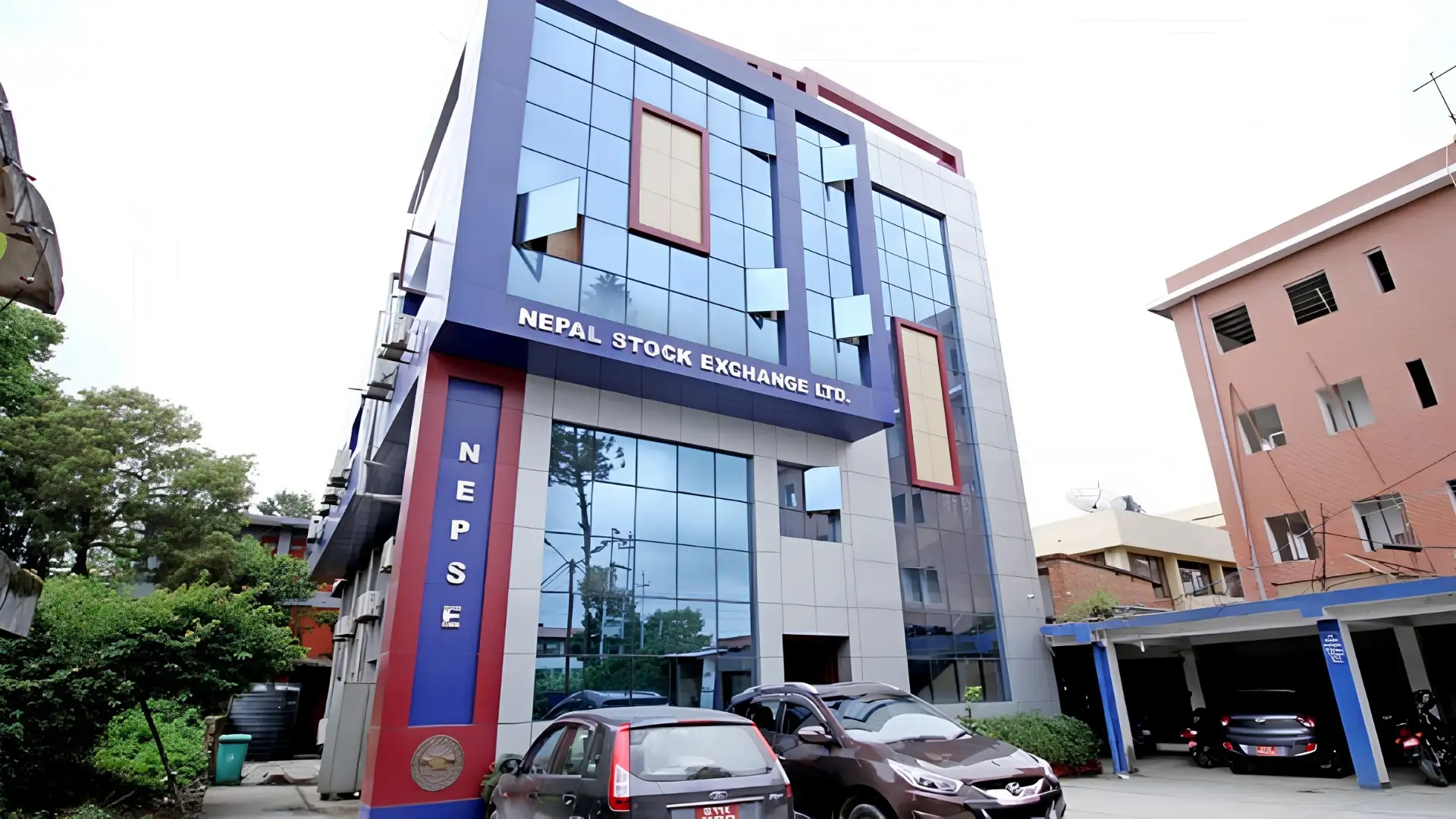

The government unveiled a 21-point action plan on 29 Bhadra, saying it would rescue the stock market from its slide. The capital gains tax was cut, the holding period before banks and financial institutions can sell shares was shortened, and the plan promised to open the way for share buybacks and splits. Yet several weeks after the announcement, the market is moving in the opposite direction. NEPSE fell again this week, trading shrank, and investor enthusiasm has faded once more. Big market players and analysts see one major cause in a new disclosure requirement from the Securities Board of Nepal (SEBON).

This week's numbers show a tired market. NEPSE closed in the red on four of five trading days. The index, which ended the previous week at 2,629.81, dropped 42.56 points (1.62 percent) to 2,587.25. The Sensitive, Float and Sensitive-Float indices all fell by more than 1 percent as well, which shows the decline was not confined to small stocks. Investors in large, well-established companies were also discouraged. Over the same period, market capitalization slipped from Rs 4.523 trillion to Rs 4.45 trillion, wiping out Rs 73 billion in wealth in a single week.

The size of trading is a bigger worry. Average daily turnover, which was Rs 6.28 billion the previous week, fell 23.65 percent to Rs 4.79 billion this week. The number of shares traded dropped by about 40 percent and the number of transactions by nearly 16 percent. The falling price is less worrying than the shrinking number of people willing to buy. As trading dries up, even small sell orders can push prices down sharply, a risk that does not show up when the market is strong.

The sectoral picture is equally weak. All 13 sub-indices listed on NEPSE ended the week in the red. The Hotels and Tourism sub-index fell 2.71 percent (194.11 points) to 6,977.08, the steepest percentage drop. In points, the Life Insurance sub-index took the biggest hit, losing 232.76 points. Banking (down 0.68 percent) and Mutual Funds (down 0.20 points) held up comparatively well. This suggests the market is not in a rush to sell everywhere, but nobody is willing to put fresh money in anywhere either.

Technical analysis also shows little basis for a sharp rebound anytime soon. The daily chart continues to show lower highs and lower lows: each rally fails to cross the previous peak, and each decline goes below the previous trough. The MACD remains in negative territory while the RSI hovers between 43 and 45. That means sellers have the upper hand and upward momentum is sluggish. Even so, analysts regard the 2,500 to 2,546 range as strong support. With the market close to that zone, they say the possibility of a technical rebound remains alive.

This raises an obvious question: why did the market fail to recover after such generous relief? NEPSE stood at around 2,580 when the action plan was announced. The index then climbed as high as 2,680, only to slip back to around 2,580. The hope generated by the announcement lasted a few days and then evaporated. The capital gains tax had been cut by 50 percent, to 5 percent and 3.75 percent for natural persons. Because the cut went deeper than simply reversing the budget's increase, investors had viewed it as more generous than they expected.

It is at this point that one SEBON provision has moved to the center of the market debate. A new rule requires a "promoter-like" substantial shareholder of a listed company who wants to sell 5 percent or more of their holding to notify the company at least 15 days in advance. The company must then make that notice public through NEPSE. On 7 Asoj, the board also released a concept paper on the rationale for the rule, international practice and the proposed regulatory framework.

The root of the issue lies in the question of who counts as a substantial shareholder. In a company with paid-up capital above Rs 250 million, anyone holding 1 percent or more of the shares falls into this category, whether a founder or an investor who bought on the secondary market. In companies with paid-up capital below Rs 250 million, the threshold is 5 percent. Most listed companies in Nepal have paid-up capital in the range of roughly Rs 1.5 billion to Rs 3–4 billion. Take a company with Rs 1.5 billion in paid-up capital: it has about 15 million shares, and 1 percent is 150,000 shares. An investor who accumulates that many shares becomes a substantial shareholder, and must give 15 days' public notice before selling even 5 percent of the holding, or 7,500 shares.

This is where analysts object. When a founder or strategic partner sells a large stake, it touches ownership and control of the company, so it is natural that the market should be told. But an investor with no role in running the company, no access to inside information, and who simply bought on the secondary market to make a profit also falls within the same net. In Nepal there is no way to profit from a falling market through short selling. The main route to earning is buying low and selling high. In such a market, if selling is not easy, the exit door is effectively locked.

The effect is not limited to selling. It also bears on the decision to buy. Before buying, an investor calculates how easily they can get out. If taking even small profits after building a large position means announcing their intention publicly 15 days in advance, they may avoid crossing the 1 percent threshold altogether. Analysts argue that large investors would then stay within the limit and trade only in small lots. At a time when the government says it wants to bring in institutional investors and non-resident Nepalis, creating such an obstacle is a policy contradiction.

There is another plausible risk. Once an investor has publicly announced a sale 15 days ahead, it would not be surprising if other participants rushed to sell before them. The price could fall in advance, leaving the investor who gave notice to bear the damage of their own announcement. Because the stock market runs on psychology as much as on data, the mere announcement of a possible sale can create unnecessary pressure.

Still, SEBON's concern cannot be dismissed entirely. The "pump and dump" tendency is real, in which a few people accumulate shares in a small-capital company, push up the price, and then exit by dumping a large volume at once. In a company with around 1 million shares, an investor holding 50,000 shares could become a substantial shareholder. A large sale there can hit the price hard, and the need for transparency is greater. The board's core aims appear to be improving transparency, giving investors adequate information, and softening the shock of sudden large sales. The problem is not the objective but the scope and the process.

International practice also shows that Nepal's rule is different. In India, anyone holding 5 percent or more of shares or voting rights must inform the stock exchange within two working days when their holding changes by 2 percentage points. India also has a separate Offer for Sale (OFS) mechanism for promoters. Singapore, Malaysia and Bangladesh use a 5 percent threshold, while the United Kingdom treats a holding as significant from 3 percent. The United States has separate disclosure requirements for directors and people affiliated with the company. Nowhere is a 15-day wait before an ordinary sale a mainstream practice. The common pattern is disclosure after a threshold is crossed and after a holding changes. Nepal has taken the opposite path, setting a low threshold of 1 percent and demanding notice before the sale takes place.

That is why market stakeholders are demanding a review of both the threshold and the notice period. They suggest raising the substantial-shareholder threshold to at least 5 percent, and possibly 7.5 or 10 percent depending on market conditions. They also say a reduction of the notice period from 15 days to a maximum of three days could be discussed. If the aim is to stop indiscriminate selling by founders and strategic partners once lock-in periods expire, they argue, the rule should be focused on that group. To prevent pump and dump, the board already has powers of monitoring, supervision and enforcement.

That said, it would be too simple to blame the market's decline on a single rule. The market has been weak since the government took office, turnover has fallen, and it will take time to restore investor confidence. The board is pursuing reforms including intraday trading and intraday short selling, expanding the capacity of brokers, improving the disclosure system, restructuring NEPSE, new IPO criteria and a 10-year blueprint. These are long-term efforts, not a quick cure to lift the market. But if the government cuts taxes to encourage the market while the regulator adds obstacles to exit, the policy message itself becomes unclear. Coordination among the various agencies is needed for the relief to show up in the market.

Movements inside the market also reflect investor psychology. This week, Sindhu Bikas Bank rose the most, by 7.20 percent. Mandu Hydropower and the 10.75 percent SBL Debenture 2089 also gained about 7 percent. Apollo Hydropower fell 11.80 percent, the biggest loser. On the floorsheet, large investors favored comparatively safe, income-yielding assets such as the 7 percent Laxmi Sunrise Debenture, Shine Resunga Debenture and Everest Bank. Emerging Nepal, Mandakini Hydropower and Forward Microfinance topped the list of most-sold shares. This suggests the market is fleeing risk and seeking safe harbors. This week also saw 1,643,764 bonus shares of United Ajod Insurance and Kalika Power listed and added to trading.

The outlook now hinges on two questions. First, will the market bounce off the 2,500 to 2,546 support, or break through it? Second, will SEBON show flexibility on the substantial-shareholder provision, or hold its line? Transparency and large-scale investment are not opposites, but binding both into a single rule risks upsetting the balance. A growing view in the market holds that regulatory obstacles must be removed before the government's tax relief can reach investors' hands.

Trending News

  • लगातार तेस्रो दिन नेप्सेमा हरियाली, सूचकसँगै कारोबार रकममा पनि उत्साहNEPSE Extends Winning Streak to Third Day, Turnover Crosses Rs 6.14 Billion

    NEPSE TRADING25 Nov, 2026

  • चार महिनामा वैदेशिक व्यापार साढे ९ खर्ब नजिक, व्यापार घाटा करिब पौने ७ खर्बForeign Trade Nears Rs 950 Billion in Four Months, Deficit Hits Rs 669 Billion

    NEPSE TRADING25 Nov, 2026

  • आईपीओ निष्काशनको प्रस्ताव पारित गर्न हिमालयन इनर्जीले बोलायो साधारण सभाHimalayan Energy Calls AGM to Endorse IPO Issuance Proposal

    NEPSE TRADING25 Nov, 2026

Related News

  • लगातार तेस्रो दिन नेप्सेमा हरियाली, सूचकसँगै कारोबार रकममा पनि उत्साहNEPSE Extends Winning Streak to Third Day, Turnover Crosses Rs 6.14 Billion
  • चार महिनामा वैदेशिक व्यापार साढे ९ खर्ब नजिक, व्यापार घाटा करिब पौने ७ खर्बForeign Trade Nears Rs 950 Billion in Four Months, Deficit Hits Rs 669 Billion
  • आईपीओ निष्काशनको प्रस्ताव पारित गर्न हिमालयन इनर्जीले बोलायो साधारण सभाHimalayan Energy Calls AGM to Endorse IPO Issuance Proposal
  • तेह्रथुम पावरको नवौँ वार्षिक साधारण सभा पुस १८ माTerhathum Power Company Calls 9th AGM for Poush 18
  • नागरिक स्टक डिलरको सातौँ वार्षिक साधारण सभा पुस १७ माNagarik Stock Dealer's 7th AGM Scheduled for Poush 17