NEPSEtrading

Make smarter moves backed by machine learning. Join thousands of traders leveraging AI to maximize profits.

nepsetrading.com is an online news portal that provides insights into trading and investment by analyzing the stock market and the global economy. We create charts based on the analysis of various indicators. Please do not rely solely on this information for investment decisions. Self-study is crucial. Use this information only as an educational and informational resource.

Marketminds Investment Group Private Limited

DOIB Registration certificate no.: 4680-2081/2082

Director & Editor-in-chief: Dipesh Ghimire · 9802363868, 9851119988

Koteshwor 32, Kathmandu
01-5253221 · +977 9709066745

Contact support

Subscribe to our newsletter

Weekly insights from the NEPSE market in your inbox.

Market

  • Stocks
  • Sectors

Company

  • About Us
  • Our Team
  • Terms of Use
  • Our Policy
  • Training
  • Contact Us

Help

  • Support
  • Report
  • FAQ

© 2026 nepsetrading.com. All rights reserved.
Owned and operated by Marketminds Investment Group Private Limited.

Charts powered by TradingView

  • Home
  • Latest
  • Trending
  • Stock
  • Education
  • International
    1. News
    2. Investor
    3. Women Entrepreneur Loans Cross NPR 62 Billion
    महिला उद्यमशील कर्जामा ६२ अर्बभन्दा बढी लगानी
    Investor
    2 min read
    Published on June 18, 2025
    NEPSE TRADING

    महिला उद्यमशील कर्जामा ६२ अर्बभन्दा बढी लगानी Women Entrepreneur Loans Cross NPR 62 Billion

    महिलाको आर्थिक सशक्तिकरणका लागि सरकारले सुरु गरेको ‘महिला उद्यमशील कर्जा’ कार्यक्रम विस्तार हुँदै गएको देखिए पनि फिर्तीको अवस्था भने कमजोर रहेको नेपाल राष्ट्र बैंकको तथ्यांकले देखाएको छ। २०८२ सालको बैशाख मसान्तसम्ममा ६० हजार ९३७ महिलाले कर्जा लिएका छन्। उनीहरूले लिएको कर्जाको कूल रकम ६२ अर्ब २१ करोड रुपैयाँ नाघिसकेको छ।

    योजनामार्फत कर्जा लिएका मध्ये थुप्रै महिलाले व्यवसाय विस्तारमा लगानी गरेको दाबी गरे पनि २३ अर्ब ५६ करोड रुपैयाँ बराबरको कर्जा हालसम्म फिर्ता नभएको पाइएको छ। बाँकी कर्जाको अनुपात ३७.८७ प्रतिशत पुगेको छ, जुन खासै सन्तोषजनक छैन। यसले योजनाको प्रभावकारिता र दिगोपनमाथि प्रश्न उठाएको छ।

    राष्ट्र बैंकको विवरण अनुसार सबैभन्दा बढी कर्जा ‘क’ वर्गका वाणिज्य बैंकहरूमार्फत प्रवाह भएको छ। कूल कर्जामध्ये ८२ प्रतिशतभन्दा बढी (५० अर्ब ८५ करोड रुपैयाँ) त्यही वर्गबाट स्वीकृत भएको हो। ‘ख’ वर्गका विकास बैंकहरूले ९ हजार ४४५ जनालाई १० अर्ब ३६ करोड रुपैयाँ बराबरको कर्जा दिएका छन्। ‘ग’ वर्गका लघुवित्त कम्पनीहरूबाट ९३६ महिलाले मात्र कर्जा लिएका छन्। ‘घ’ वर्गका संस्थाहरूबाट भने झिनो मात्रामा कर्जा प्रवाह भएको छ।

    यसले देखाउँछ, योजना लोकप्रिय भए पनि अझै पनि शहरी र वाणिज्य बैंक केन्द्रित नै छ। ग्रामीण र सिमान्तकृत क्षेत्रमा महिला कर्जाको पहुँच विस्तार गर्न अझै धेरै काम गर्न बाँकी छ।

    योजनाको उद्देश्य महिलालाई आर्थिक रूपमा आत्मनिर्भर बनाउनु हो। तर, अधिकांश महिलाले व्यवसायिक योजना र बजार पहुँचको स्पष्टता नपाउँदा कर्जाको उपयोग प्रभावकारी ढंगले हुन सकेको छैन। कतिपय अवस्थामा कर्जा घरेलु खर्च, ऋण तिर्ने, वा आकस्मिक स्वास्थ्य उपचारमा प्रयोग भइरहेको छ। यसले योजना निर्देशित उद्देश्यबाट बिचलन भइरहेको देखाउँछ।

    कर्जा तिर्ने पक्ष कमजोर हुनुमा बैंकहरूको निगरानी प्रणाली पनि जिम्मेवार देखिन्छ। कर्जा बाँडिने तर त्यसपछि अनुगमन नहुनु, नियमित सम्पर्कमा नरहनुले पनि कर्जा फिर्तीमा असर पुर्‍याएको देखिन्छ। साथै, कर्जा लिने महिलामा वित्तीय साक्षरता र व्यवसाय सञ्चालनको अनुभव नहुनु अर्को ठूलो चुनौती हो।

    वित्तीय समावेशीतामा महिलाको पहुँच बढाउन योजना प्रभावकारी भए पनि यसको दीर्घकालीन सफलताका लागि केही सुधार आवश्यक देखिन्छ। बैंकले कर्जा सँगै व्यवसायिक तालिम, बजारको जानकारी र वित्तीय अनुशासनको कार्यक्रम ल्याउनुपर्छ। साथै, गाउँ–गाउँमा सहकारी र लघुवित्तमार्फत योजना विस्तार गरी दुर्गम क्षेत्रका महिलालाई समेत समेट्नुपर्छ।
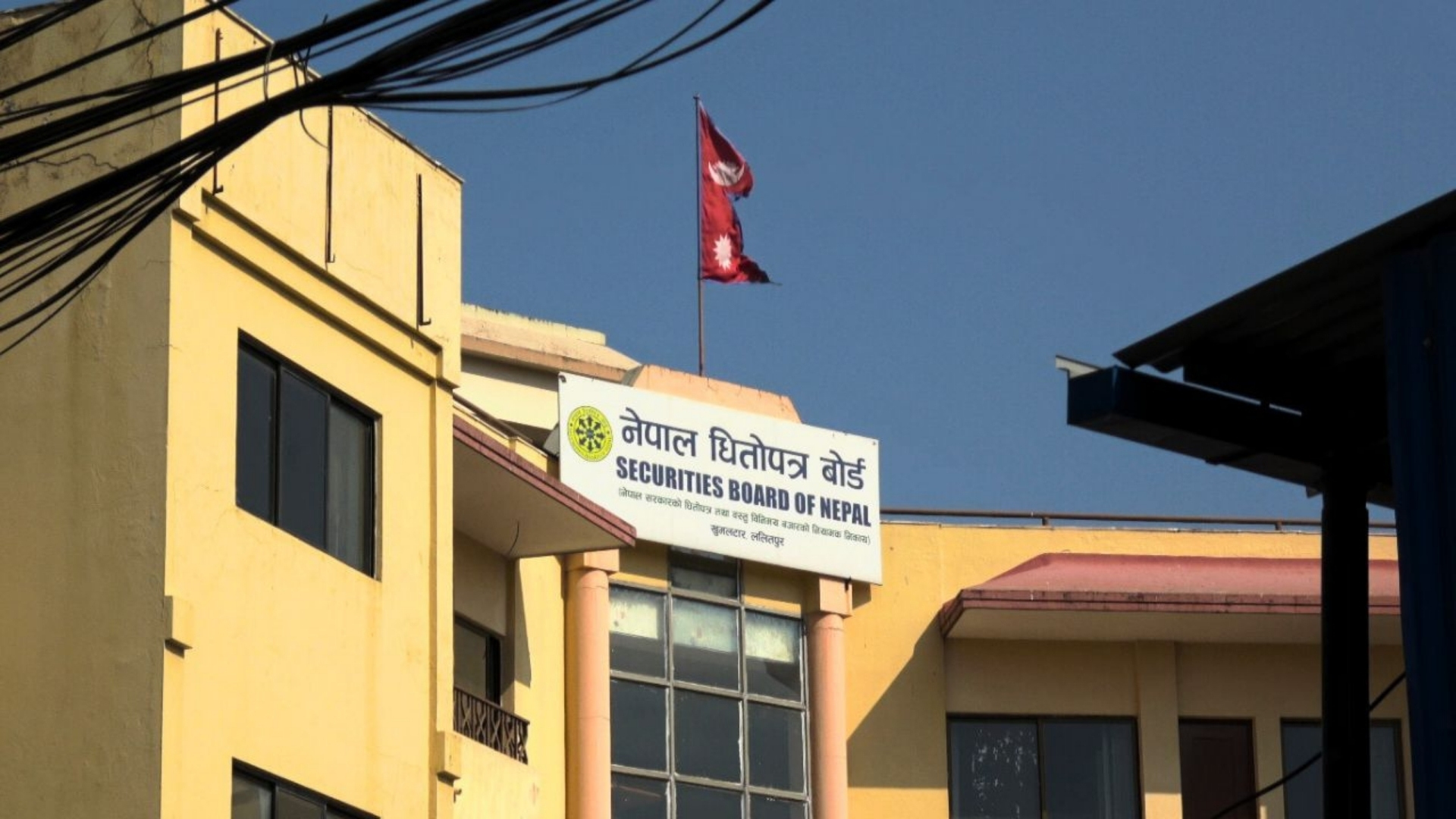

    The government’s flagship Women Entrepreneur Loan Scheme, introduced to economically empower women through subsidized financing, has seen a sharp rise in participation. According to Nepal Rastra Bank, as of the end of Baisakh 2082, a total of 60,937 women have accessed the scheme, with cumulative loan disbursements exceeding NPR 62.21 billion.

    While the program’s reach is expanding, concerns are growing over loan recovery. Data shows that more than NPR 23.56 billion, or 37.87 percent of the total approved loans, remains unpaid. The rising outstanding amount has raised serious questions about the scheme’s long-term effectiveness and repayment discipline.

    A major share of the loans — over NPR 50.85 billion — has been distributed by Class A commercial banks, accounting for more than 82 percent of total disbursement. Development banks (Class B) have disbursed NPR 10.36 billion to 9,445 borrowers. However, participation from Class C microfinance institutions remains minimal, and Class D financial institutions have only marginal involvement, signaling a lack of rural outreach.

    This data underscores a critical gap: although the scheme is gaining popularity, it remains largely urban and commercial bank-centric. There’s an urgent need to push the program deeper into rural and marginalized communities, where financial exclusion is highest.

    Though the scheme’s goal is to promote female entrepreneurship, field reports suggest a significant portion of the loans may not be used for productive business purposes. Many women lack formal business training or market knowledge, leading to fund diversion toward household expenses, debt repayment, or emergency needs. This deviation from the scheme’s original intent raises concerns about monitoring and guidance.

    Banks often release loans but fail to establish robust follow-up mechanisms. Without regular monitoring, repayment performance suffers. Many borrowers also lack financial literacy and business experience, which further complicates timely repayment. This weak institutional support may lead to escalating defaults if not addressed promptly.

    While the scheme has significantly contributed to improving women’s access to finance, its sustainability depends on structural reforms. Banks must integrate training, market access support, and financial counseling into their loan packages. Additionally, expanding the scheme through cooperatives and microfinance institutions can enhance reach in remote and rural areas.

    The Women Entrepreneur Loan Scheme stands out as Nepal’s largest and most participatory subsidized loan program to date. But growing repayment delays, misuse of funds, and weak oversight mechanisms cast a shadow over its future. The numbers are impressive — but the focus must now shift from quantity to quality.

    Unless the government and Nepal Rastra Bank urgently act to tighten monitoring, build borrower capacity, and decentralize access, the vision of empowering women through entrepreneurship risks becoming another well-intentioned policy lost in paperwork and poor execution.

    Trending News

    • Trending14 Jun, 2026

      असारमा वाणिज्य बैंकको मुद्दति ब्याजदर थप घट्यो, ७ बैंकले दर घटाए

      Read news
    • Trending14 Jun, 2026

      नेपालकै सबैभन्दा ठूलो सम्पत्ति शुद्धीकरण मुद्दा अदालत पुग्यो, एक खर्ब ६ अर्बभन्दा बढी बिगो दाबी

      Read news
    • Trending14 Jun, 2026

      अमेरिका–इरान शान्ति सम्झौता निर्णायक मोडमा, पाकिस्तानले भन्यो — '२४ घण्टामा हस्ताक्षर सम्भव'

      Read news

    Related News

  • असारमा वाणिज्य बैंकको मुद्दति ब्याजदर थप घट्यो, ७ बैंकले दर घटाए
    Investor

    1 min read

    असारमा वाणिज्य बैंकको मुद्दति ब्याजदर थप घट्यो, ७ बैंकले दर घटाए

    NEPSE TRADING

    ·

    14 Jun, 2026

  • नेपालकै सबैभन्दा ठूलो सम्पत्ति शुद्धीकरण मुद्दा अदालत पुग्यो, एक खर्ब ६ अर्बभन्दा बढी बिगो दाबी
    Investor

    4 min read

    नेपालकै सबैभन्दा ठूलो सम्पत्ति शुद्धीकरण मुद्दा अदालत पुग्यो, एक खर्ब ६ अर्बभन्दा बढी बिगो दाबी

    NEPSE TRADING

    ·

    14 Jun, 2026

  • अमेरिका–इरान शान्ति सम्झौता निर्णायक मोडमा, पाकिस्तानले भन्यो — '२४ घण्टामा हस्ताक्षर सम्भव'
    Top

    1 min read

    अमेरिका–इरान शान्ति सम्झौता निर्णायक मोडमा, पाकिस्तानले भन्यो — '२४ घण्टामा हस्ताक्षर सम्भव'

    NEPSE TRADING

    ·

    14 Jun, 2026

  • शेयर बजारमा जलविद्युत कम्पनी : अनुत्तरित प्रश्नहरूको भारले थिचिएको लगानीकर्ता
    Investor

    5 min read

    शेयर बजारमा जलविद्युत कम्पनी : अनुत्तरित प्रश्नहरूको भारले थिचिएको लगानीकर्ता

    NEPSE TRADING

    ·

    12 Jun, 2026

  • नेपालको पुँजी बजार : तीन दशकको यात्रा, अझै अधुरो सुधार
    Investor

    3 min read

    नेपालको पुँजी बजार : तीन दशकको यात्रा, अझै अधुरो सुधार

    Dipesh Ghimire

    ·

    12 Jun, 2026