Face of Tragedy
Beyond the Deluge: Forging National Resilience in the Face of Tragedy
Ultimately, navigating the aftermath of such a catastrophe requires a shift from passive observation to active, empathetic participation. The wounds inflicted upon the landscape and the psyche of the people will take years to heal. To rebuild shattered communities and restore hope, the nation must stand united. It is the moral obligation of every citizen to shoulder a part of this immense burden, proving that when the country bleeds, its people bind the wounds together.
Dipesh Ghimire
2 min read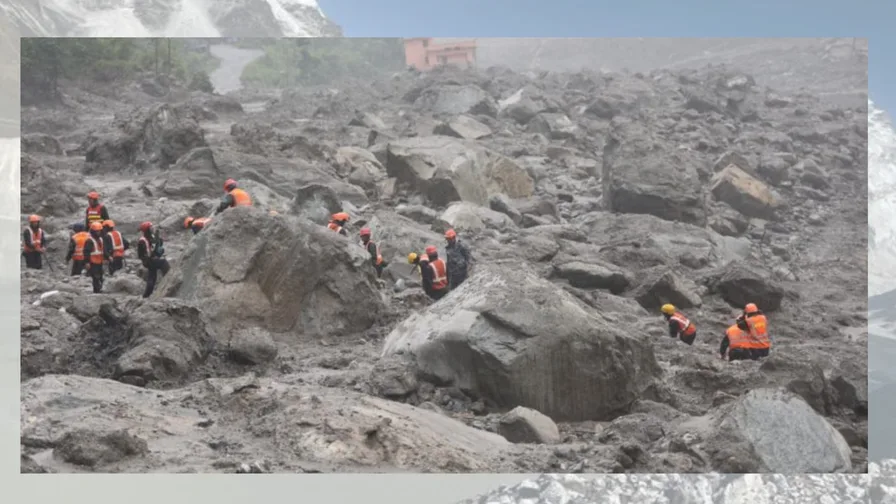
KATHMANDU — The recent barrage of relentless rainfall, culminating in catastrophic floods and landslides, has cast a long, somber shadow across the nation. In what feels like a blink of an eye, the familiar rhythms of daily life have been violently upended by nature’s fury. For thousands of families, the tragedy is not just the physical loss of shelter, but the erasure of decades of sweat, sacrifice, and dreams, all swept away by the unforgiving currents. As survivors sift through the wreckage and wait agonizingly for news of missing relatives, the disaster serves as a chilling reminder of Nepal's extreme geographical and climatic vulnerability.
Yet, any analysis of this ongoing crisis must also acknowledge the extraordinary human spirit rising from the mud and debris. When institutional capacities are stretched to their limits, it is the community that forms the first line of defense. The tireless, round-the-clock mobilization of security forces, frontline healthcare workers, local youth volunteers, and journalists highlights a profound societal resilience. Accompanied by the rapid response of international agencies and local civic groups, this collaborative effort demonstrates that human compassion easily transcends borders, social classes, and political divides during times of existential threat.
However, the current crisis also brings a critical societal flaw into sharp focus: the growing culture of digital apathy. In an era dominated by smartphones and 24-hour news cycles, there is a dangerous tendency for the public to treat national tragedies as mere digital content. Scrolling through social media feeds, offering empty sympathies, or engaging in political blame games does nothing to pull a trapped victim from the rubble. The true test of a nation’s character is measured not by its online outrage, but by its tangible actions on the ground.
Furthermore, the post-disaster landscape is often plagued by a secondary crisis—misinformation. Unverified rumors regarding relief distribution and casualties can create panic and divert crucial resources away from those who need them most. Therefore, the absolute need of the hour is disciplined, coordinated relief. Citizens must ensure that their contributions—whether in the form of monetary donations, clothing, food, or volunteer hours—are channeled through verified, accountable mechanisms.
Ultimately, navigating the aftermath of such a catastrophe requires a shift from passive observation to active, empathetic participation. The wounds inflicted upon the landscape and the psyche of the people will take years to heal. To rebuild shattered communities and restore hope, the nation must stand united. It is the moral obligation of every citizen to shoulder a part of this immense burden, proving that when the country bleeds, its people bind the wounds together.
Advertisement
Written by
Dipesh Ghimire