Top
CEO Pravin Pandhak's Stubborn Stance Halts Dematerialization Process in Nepal
CEO Pravin Pandhak's Stubborn Stance Halts Dematerialization Process in Nepal The attempt to implement a ‘double ISIN’ system by Pravin Pandhak, the CEO of CDS and Clearing Limited (CDSC), has caused a significant disruption in Nepal’s dematerialization (demat) process for securities. Pandhak’s refusal to back down on this controversial stance, which lacks legal sanction, has led to a halt in the process of dematerializing founder shares in the country’s capital market. The core issue lies in the 'Securities Dematerialization Operational Directive-2082,' which CDSC introduced but has not yet received approval from the Securities Board of Nepal (Sebon). Despite the draft directive being unapproved, CDSC pushed ahead with it, halting the dematerialization of founder shares. This action has triggered confusion in the capital market, with concerns over the legal standing and implications of such an unapproved directive.
Dipesh Ghimire
2 min read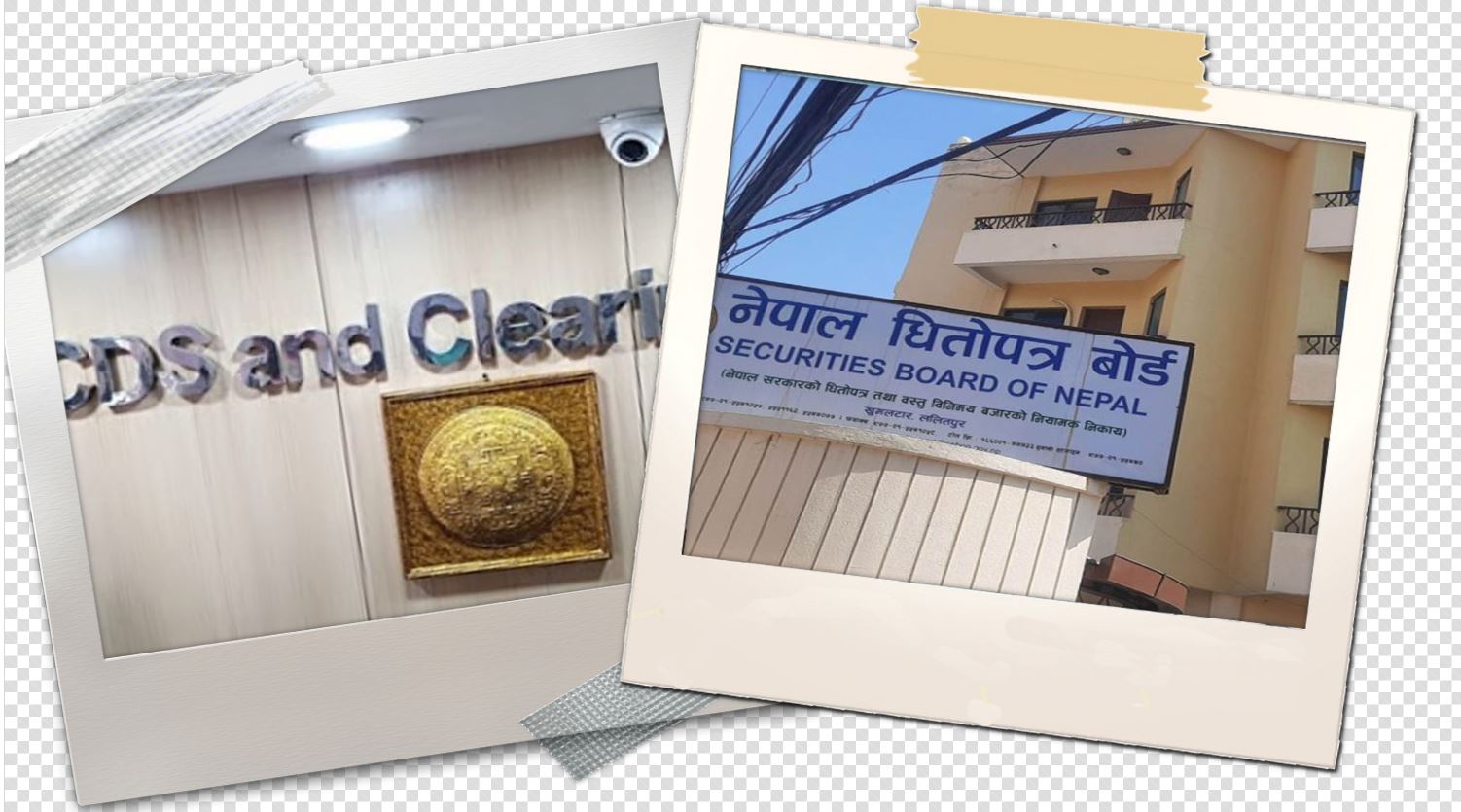
The attempt to implement a ‘double ISIN’ system by Pravin Pandhak, the CEO of CDS and Clearing Limited (CDSC), has caused a significant disruption in Nepal’s dematerialization (demat) process for securities. Pandhak’s refusal to back down on this controversial stance, which lacks legal sanction, has led to a halt in the process of dematerializing founder shares in the country’s capital market.
The core issue lies in the 'Securities Dematerialization Operational Directive-2082,' which CDSC introduced but has not yet received approval from the Securities Board of Nepal (Sebon). Despite the draft directive being unapproved, CDSC pushed ahead with it, halting the dematerialization of founder shares. This action has triggered confusion in the capital market, with concerns over the legal standing and implications of such an unapproved directive.
Under the existing ‘Securities Registration and Issuance Regulation-2073’ and the ‘Securities Issuance and Distribution Directive-2074,’ there is a clear provision that once the lock-in period for founder shares expires, those shares should be allowed to be traded just like ordinary shares. This practice has been in place for over a decade without any legal conflicts.
However, CDSC, citing international practices, has insisted that a separate ISIN be assigned to founder shares, arguing that they should always be treated differently from ordinary shares. This move has not only complicated the situation but also sparked opposition from various stakeholders in the financial sector.
The key issue is the push for ‘double ISINs’—one for founder shares and another for ordinary shares. Pandhak’s unyielding stance has led to a deadlock, as this approach does not align with existing regulations, and there is no legal basis for enforcing it. The insistence on a dual ISIN system has further complicated the issue, with many questioning the legality of such a proposal.
Several market experts argue that the legal framework in place for over 15 years was sufficient and that introducing a separate ISIN system would create unnecessary complications, undermining the smooth functioning of the capital market. The deadlock has left the securities market in a state of uncertainty, with market participants awaiting a resolution.
CDSC's actions have created a larger debate on the need for modernization in Nepal's securities market. While international practices are often cited as a reason for this push, the practical implications of adopting such systems must be carefully considered within the context of Nepal’s legal and regulatory environment.
As of now, there is no resolution in sight, and the dematerialization process remains stalled. The ongoing conflict between the Sebon and CDSC highlights the challenges in modernizing Nepal's capital market while maintaining regulatory coherence. The future of the demat process hangs in the balance, and it remains to be seen whether the existing regulatory framework will prevail or whether a new system, as proposed by CDSC, will eventually be adopted.
Advertisement
Written by
Dipesh Ghimire