Nepal Rastra Bank
Excess Liquidity Crosses Rs 1.2 Trillion as Weak Credit Demand Leaves Banks Searching for Investment Avenues
Experts believe that sustainable economic recovery, improved business confidence, and expansion of productive investment sectors are necessary to convert the current idle liquidity into economic growth. Without stronger credit demand, the banking system may continue depending on central bank interventions to maintain monetary balance.
Dipesh Ghimire
2 min read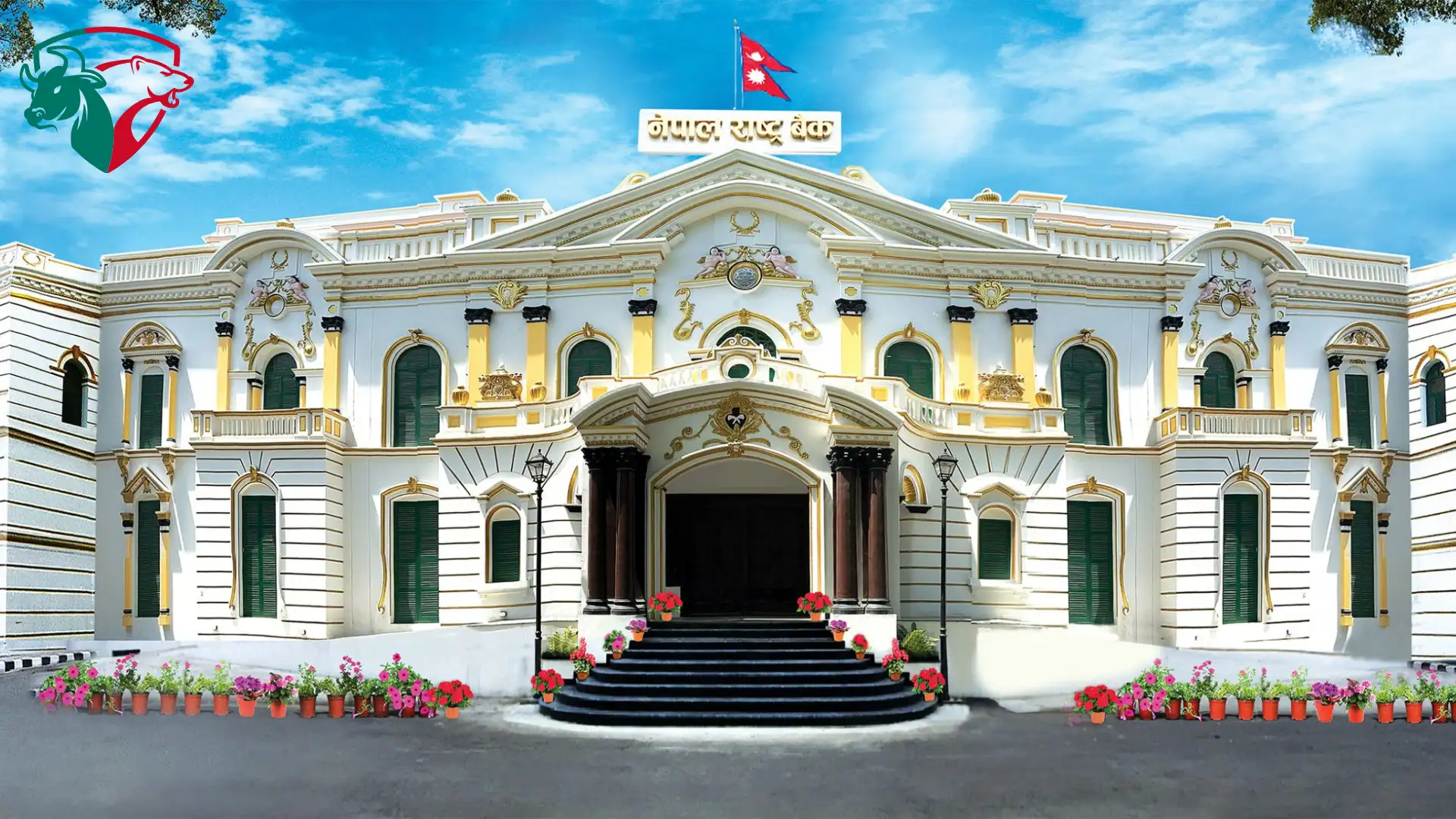
Kathmandu: Nepal’s banking system is facing an unusual situation where deposits continue to rise but credit expansion remains sluggish, leaving more than Rs 1.2 trillion in excess liquidity idle in the financial system. The widening gap between available funds and loan demand has pushed Nepal Rastra Bank (NRB) to intensify liquidity management measures through various monetary instruments.
The accumulation of liquidity reflects a slowdown in economic activities and weaker private sector borrowing appetite. Although banks have sufficient resources to lend and lending rates have declined significantly, businesses have remained cautious about taking new loans due to uncertainty in investment conditions, lower market confidence, and concerns over future economic returns.
According to recent banking sector data, total deposits in banks and financial institutions have crossed Rs 8.2 trillion, while total credit exposure remains around Rs 5.94 trillion. This difference has pushed the credit-to-deposit (CD) ratio down to 71.74 percent, far below the regulatory ceiling of 90 percent.
A lower CD ratio indicates that banks have a large portion of their deposits unused for lending activities. While strong deposit growth normally supports economic expansion through higher credit flow, the current situation shows that the banking sector has liquidity but lacks sufficient demand from productive sectors.
To prevent excess money from creating pressure on inflation and affecting monetary stability, the central bank has been absorbing surplus liquidity from the market. Instead of relying only on short-term deposit collection instruments, NRB has increasingly used one-year bonds as a longer-term liquidity management tool.
Through 15 issuances of one-year bonds, NRB has already withdrawn around Rs 370 billion from the banking system. In Ashadh alone, the central bank issued six one-year bonds and absorbed Rs 170 billion. The auctions attracted applications exceeding the offered amount, showing that banks are willing to park their excess funds in central bank instruments rather than expand lending aggressively.
The interest rate on these bonds remained around 2.7 percent, reflecting the current low-interest-rate environment created by abundant liquidity. The lower return also indicates that banks are prioritizing safety and liquidity management over higher-risk lending opportunities.
Along with long-term instruments, NRB has continued using short-term deposit collection tools. The central bank recently announced another Rs 60 billion deposit collection through a 91-day instrument to absorb additional liquidity from the financial system.
The growing use of liquidity absorption tools highlights the imbalance between deposit mobilization and credit expansion. Banks are attracting deposits continuously, but weak economic activity has limited opportunities for loan investment.
The slowdown in lending has also raised concerns about the quality of bank assets. Nepal Rastra Bank’s recent macroeconomic assessment has pointed out that rising non-performing loans are becoming a challenge for the banking sector. Non-performing loans have increased to 5.6 percent, while loans under watch-list categories have also expanded, suggesting growing repayment risks.
The banking sector’s current challenge is therefore not a shortage of funds but a shortage of quality credit demand. Unless private sector confidence improves and investment activities gain momentum, banks may continue to face pressure from excess liquidity and limited lending opportunities.
Experts believe that sustainable economic recovery, improved business confidence, and expansion of productive investment sectors are necessary to convert the current idle liquidity into economic growth. Without stronger credit demand, the banking system may continue depending on central bank interventions to maintain monetary balance.
Advertisement
Written by
Dipesh Ghimire