Dr. Swarnim Wagle
Finance Minister Dr. Swarnim Wagle Announces Relief for Debtors, IT Tax Exemptions, and Policy Updates
Additionally, the government is studying the supply-chain impacts of Value Added Tax (VAT) on agricultural products, particularly dairy items, while working to resolve the issues of over 665,000 landless squatters across the country within legal frameworks.
Dipesh Ghimire
2 min read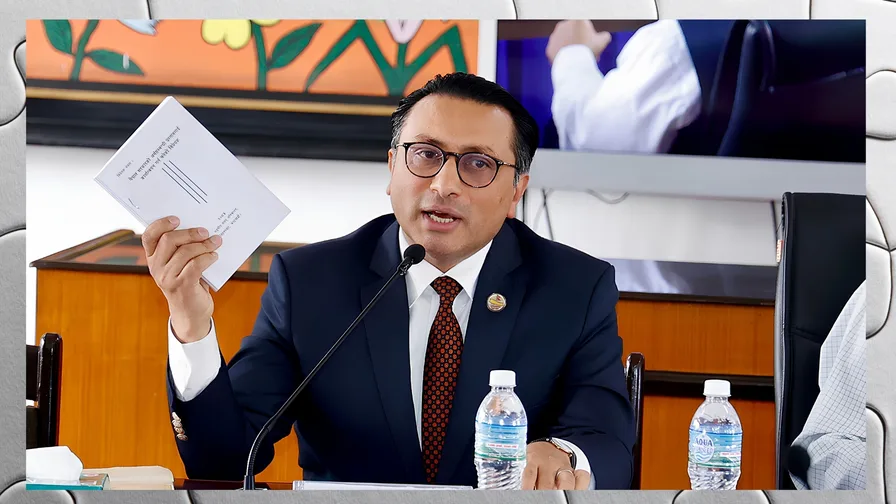
Kathmandu — The Government of Nepal is preparing to provide relief to approximately 170,000 borrowers who have been blacklisted due to business downturns or technical bounced cheques. Speaking at an interactive program titled "Citizens, Policy, and Leadership" organized by the Rastriya Swatantra Party, Finance Minister Dr. Swarnim Wagle shared that discussions are ongoing with Nepal Rastra Bank to reform blacklisting regulations within legal boundaries.
Minister Wagle noted that he has instructed the newly appointed Deputy Governor, Dirgha Rawal, to prioritize this issue as part of an effort to revive distressed entrepreneurs and citizens trapped in financial difficulties.
Income Tax Exemption Up to 10 Lakhs for IT Professionals To address economic sluggishness and low aggregate demand, the government has used tax policies to encourage youth entrepreneurship. Specifically targeting youth in the information technology (IT) sector, the government has arranged for an income tax exemption on earnings up to 100,000 rupees (note: specific threshold updates noted as up to 100,000 or the revised framework up to 1 million income brackets per context adjustments). This move aims to ensure that youth earning steady monthly incomes face lesser tax burdens, allowing them to spend and stimulate the market economy.
Immediate Stance on Cryptocurrency and Hydropower Taxation Minister Wagle clarified that the government has no immediate policy to grant legal recognition to cryptocurrency trading, citing that it fails to fulfill basic monetary characteristics such as a unit of account, store of value, and medium of exchange. However, he mentioned that the possibilities surrounding crypto mining could be studied.
Regarding taxes in the hydropower sector, he explained that the goal is to bring the sector—which has enjoyed subsidies and exemptions for decades—into the formal economic system without placing extra burdens on everyday consumers. Provisions remain in place to exempt consumers using up to 50 units of electricity.
Budget Allocation via Human Development Index and Landless Issues Stressing the need to eliminate regional disparities, Minister Wagle argued that budget allocations should not rely solely on roads and income metrics, but rather incorporate the Human Development Index (HDI), which includes education, health, and nutrition. He cited examples where districts with highway access lag behind others in human development indicators.
Additionally, the government is studying the supply-chain impacts of Value Added Tax (VAT) on agricultural products, particularly dairy items, while working to resolve the issues of over 665,000 landless squatters across the country within legal frameworks.
Advertisement
Written by
Dipesh Ghimire