Nepal’s Economy
Finance Minister Wagle Pushes for Tighter Budget Execution as Fiscal Year Progresses
Nepal has for years struggled with a pattern where a large share of the capital budget is spent only in the final months of the fiscal year, particularly in Ashadh, often compromising the quality of project execution. By initiating ministry-level consultations early — rather than waiting for mid-year reviews — the finance ministry appears to be signalling a shift toward continuous monitoring of expenditure and project timelines, though whether this translates into faster ground-level implementation will depend on execution capacity within individual ministries, procurement delays, and coordination with local governments, none of which were detailed in the ministry's statement.
Dipesh Ghimire
1 min read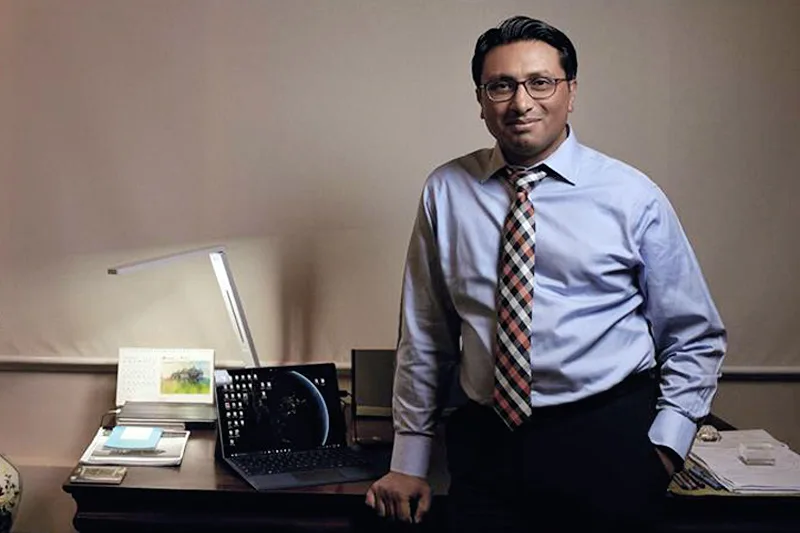
KATHMANDU: With concerns mounting over Nepal's chronically slow pace of budget spending, Finance Minister Dr. Swarnim Wagle has convened secretaries from key ministries to map out a coordinated implementation strategy for the fiscal year 2083/84 budget, signaling an early push to avoid the last-minute expenditure rush that has plagued previous years.
The meeting, held at the Ministry of Finance's Suvarna Hall, brought together officials from ministries whose cooperation is considered essential to translating budget allocations into actual spending on the ground — including infrastructure, agriculture, industry and commerce, health, education, foreign affairs, culture, tourism and civil aviation, labour, women and children, home, and defence.
Vice-Chairman of the National Planning Commission Dr. Gunakar Bhatt and Finance Secretary Dr. Ghanashyam Upadhyay were among the senior officials present, underscoring the government's intent to align planning and financial oversight bodies from the outset rather than addressing bottlenecks after they emerge.
According to the ministry, discussions centred on the current status of budget implementation, the division of responsibilities across ministries, expenditure management practices, and the progress of development projects — areas that have historically been the weak links in Nepal's public spending cycle.
Officials also deliberated on strategies to meet the fiscal year's spending targets, a task made more urgent by the government's stated ambition to expand economic activity and accelerate the disbursement of development funds.
Nepal has for years struggled with a pattern where a large share of the capital budget is spent only in the final months of the fiscal year, particularly in Ashadh, often compromising the quality of project execution. By initiating ministry-level consultations early — rather than waiting for mid-year reviews — the finance ministry appears to be signalling a shift toward continuous monitoring of expenditure and project timelines, though whether this translates into faster ground-level implementation will depend on execution capacity within individual ministries, procurement delays, and coordination with local governments, none of which were detailed in the ministry's statement.
Advertisement
Written by
Dipesh Ghimire