Top
Foreign Aid Structure Shifts in Nepal as Grants Decline and Debt Dependence Rises
Foreign Aid Structure Shifts in Nepal as Grants Decline and Debt Dependence Rises Nepal’s foreign aid landscape is undergoing a significant structural shift, with grants steadily declining and concessional loans taking a dominant role. According to the latest Current Macroeconomic and Financial Situation report published by the Ministry of Finance, the share of foreign aid in the national budget has fallen markedly over the past decade. While foreign assistance accounted for an average of 21.5 percent of the total budget in the last ten years, it has now dropped to just 14.6 percent in the current fiscal year 2082/83, indicating a gradual reduction in external grant support.
Dipesh Ghimire
3 min read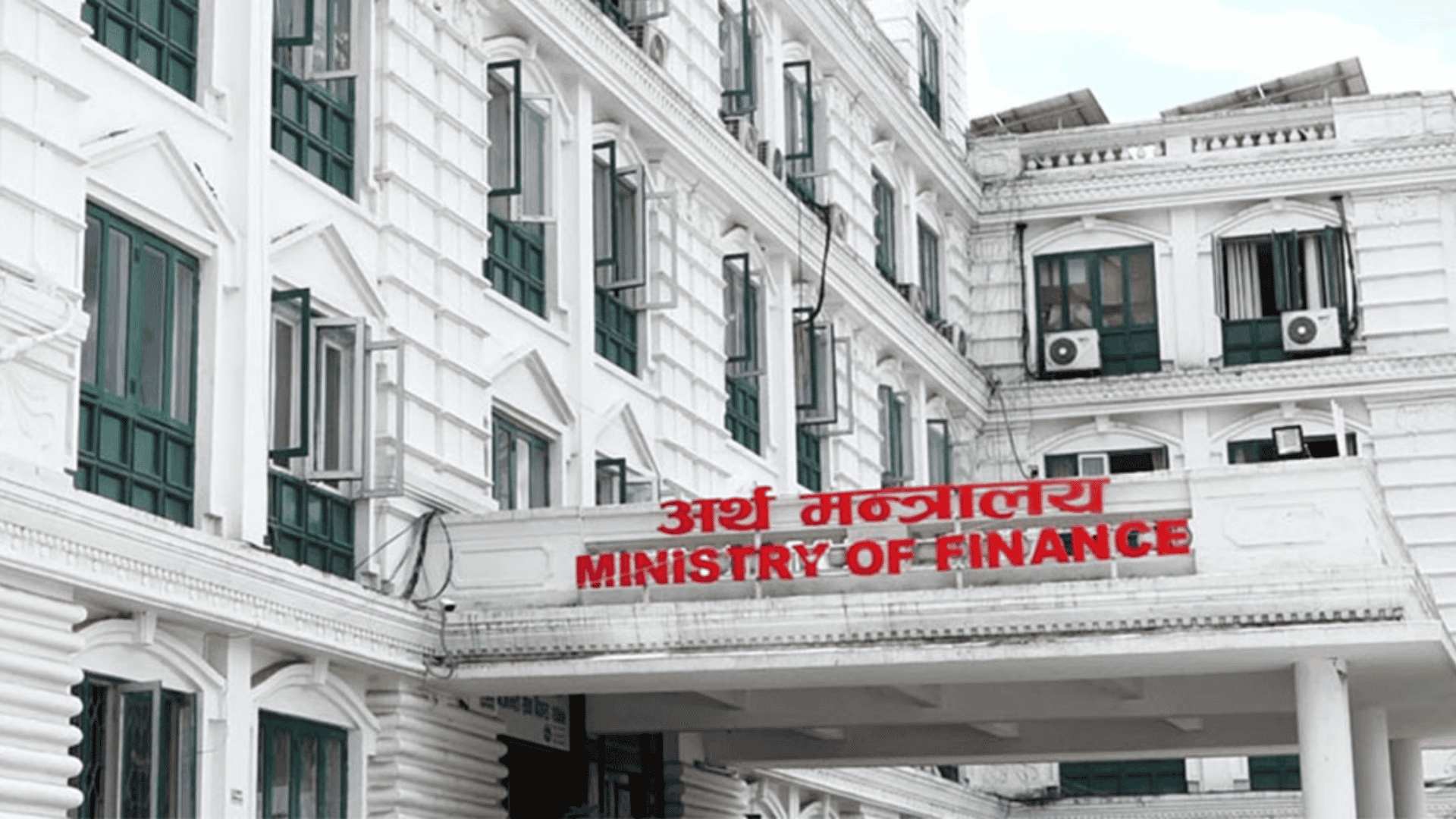
Nepal’s foreign aid landscape is undergoing a significant structural shift, with grants steadily declining and concessional loans taking a dominant role. According to the latest Current Macroeconomic and Financial Situation report published by the Ministry of Finance, the share of foreign aid in the national budget has fallen markedly over the past decade. While foreign assistance accounted for an average of 21.5 percent of the total budget in the last ten years, it has now dropped to just 14.6 percent in the current fiscal year 2082/83, indicating a gradual reduction in external grant support.
More concerning, however, is the changing composition of that aid. Data shows that foreign loans now constitute 81.1 percent of total foreign assistance, while grants have shrunk to just 18.9 percent. A decade ago, the structure was comparatively balanced, with loans at 57.4 percent and grants at 42.6 percent. This transition highlights Nepal’s increasing reliance on debt-based financing, a trend that reflects both the country’s evolving economic status and shifting priorities among development partners.
The report also points to weak implementation as a persistent challenge. Only about 46 percent of the targeted foreign aid has been utilized so far, with grant mobilization standing at 42.1 percent and loan utilization at 47.6 percent. Delays in project execution, slow reimbursement processes, and administrative inefficiencies have undermined the effective use of available resources. These shortcomings have not only limited development outcomes but have also created pressure on cash flow management within the government’s fiscal operations.
At the same time, major multilateral development partners such as the World Bank and the Asian Development Bank (ADB) are gradually reducing grant-based support and increasing their reliance on concessional loans. The World Bank, for instance, has raised its interest rate from 0.75 percent to 1.5 percent and shortened the repayment period from 40 years to 30 years. The ADB has already implemented similar adjustments. These changes reflect a reassessment of Nepal’s creditworthiness, as the country is now seen as having improved repayment capacity.
This shift is closely linked to Nepal’s broader economic trajectory. With per capita income reaching around 1,513 US dollars and public debt standing at approximately 44 percent of GDP, the country is preparing to graduate to developing nation status by December 2026. While this transition is a positive milestone, it also comes with reduced access to highly concessional financing, forcing Nepal to depend more on loans rather than grants.
Despite the rising dependence on debt, the government has maintained a consistent track record of debt servicing. Around Rs 320 billion was repaid in the previous fiscal year, and the target for the current year exceeds Rs 375 billion. This demonstrates fiscal discipline, but it also underscores the growing burden of debt obligations, which could limit future spending flexibility if not carefully managed.
Grant utilization, meanwhile, remains particularly weak. Out of the Rs 53.45 billion targeted for mobilization in the current fiscal year, only about Rs 17 billion—roughly 31.87 percent—has been utilized so far. In the previous year, total grant utilization stood at just Rs 23.2 billion. This underperformance suggests that Nepal is not only receiving fewer grants but is also struggling to effectively absorb the resources that are available.
Overall, the evolving structure of foreign aid signals a transition in Nepal’s development financing model. While increased access to loans reflects improved economic credibility, it also introduces new risks related to debt sustainability and fiscal pressure. Experts caution that without significant improvements in project execution, institutional efficiency, and revenue generation, the growing reliance on debt could pose long-term challenges.
As Nepal moves closer to its goal of becoming a developing country, the emphasis will need to shift toward prudent financial management and strategic investment. The declining role of grants and the rise of loans mark a new phase in the country’s economic journey—one that demands stronger governance, better planning, and a careful balance between growth ambitions and fiscal responsibility.
Advertisement
Written by
Dipesh Ghimire