Top
Latest
Foreign Trade
From Fuel to Steel: Nepal’s Top 10 Imports in Shrawan
From Fuel to Steel: Nepal’s Top 10 Imports in Shrawan Kathmandu – In the first month of fiscal year 2082/83 (Shrawan), Nepal’s import bill was dominated by petroleum products, industrial raw materials, and vehicles. According to the Department of Customs, the top 10 import categories alone accounted for more than half of the country’s total import expenditure, deepening the trade deficit further.
Dipesh Ghimire
2 min read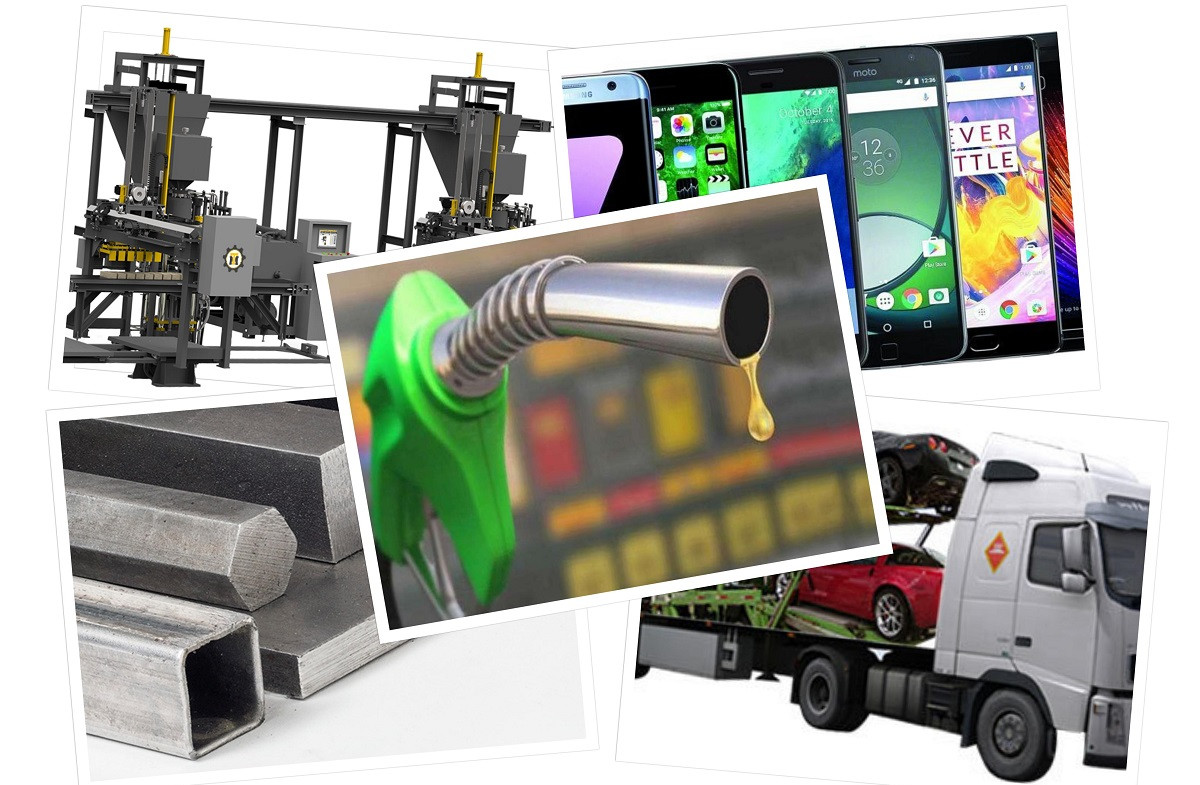
Kathmandu – In the first month of fiscal year 2082/83 (Shrawan), Nepal’s import bill was dominated by petroleum products, industrial raw materials, and vehicles. According to the Department of Customs, the top 10 import categories alone accounted for more than half of the country’s total import expenditure, deepening the trade deficit further.
1. Mineral Fuels and Petroleum Products
The largest import item was mineral fuels and petroleum products (Chapter 27). Nepal imported Rs. 21.99 billion worth of fuel in Shrawan, while exports were negligible at just Rs. 1.1 million, leaving a trade deficit of Rs. 21.99 billion.
2. Vegetable Oils and Fats
The second-largest import was vegetable oils and fats (Chapter 15). Imports stood at Rs. 13.45 billion, while exports were slightly lower at Rs. 12.31 billion, creating a net deficit of Rs. 1.13 billion.
3. Iron and Steel
Iron and steel (Chapter 72) ranked third, with imports worth Rs. 11.09 billion. Exports were only Rs. 299 million, resulting in a deficit of Rs. 10.79 billion.
4. Machinery and Mechanical Appliances
Imports of machinery and mechanical appliances (Chapter 84) reached Rs. 9.41 billion. Exports, however, stood at just Rs. 222 million, creating a deficit of Rs. 9.19 billion.
5. Electrical Machinery and Equipment
Electrical machinery and parts (Chapter 85) imports were valued at Rs. 9.08 billion, while exports were negligible at Rs. 6.4 million, leaving a trade deficit of Rs. 9.07 billion.
6. Vehicles and Parts
Vehicles and automobile parts (Chapter 87) made up Rs. 8.01 billion in imports. Exports were barely Rs. 4.3 million, producing a deficit of Rs. 8 billion.
7. Fertilizers
Fertilizers (Chapter 31) were another major item, with imports valued at Rs. 6.97 billion. With no exports, the category was entirely deficit-driven.
8. Cotton
Cotton (Chapter 52) imports stood at Rs. 10.76 billion, while exports were just Rs. 423 million, leaving a massive deficit of Rs. 10.71 billion.
9. Plastics and Plastic Products
Plastics and articles thereof (Chapter 39) recorded imports of Rs. 6.05 billion. Exports reached only Rs. 127 million, leaving a deficit of Rs. 5.92 billion.
10. Apparel and Clothing (Non-knitted)
Apparel and clothing accessories (Chapter 62) were imported worth Rs. 23.18 billion. Exports in the same category were Rs. 7.03 billion, resulting in a significant deficit of Rs. 16.14 billion.
These top 10 categories alone consumed more than half of Nepal’s total import bill in Shrawan. Petroleum, iron and steel, machinery, vehicles, and fertilizers continue to underscore the country’s structural import dependency.
Economists warn that unless Nepal strengthens domestic production, industrial capacity, and energy independence, the ballooning trade deficit will remain a recurring problem. The numbers reveal that Nepal’s economy is still import-centric, leaving the country vulnerable to external shocks in global prices and supply chains.
Advertisement
Written by
Dipesh Ghimire