SEBON
SEBON Proposes Stricter Rules for Private Equity and Venture Capital: Paid-Up Capital Raised to NPR 50 Million, Three-Year Lock-In Mandated
Furthermore, the draft incorporates stringent governance measures to protect investor interests, including conflict-of-interest management, investor eligibility verification, restrictions prohibiting one fund from investing in another, and provisions governing mergers and acquisitions among fund managers. It also outlines special incentives for funds targeting environmental and sustainable development goals, alongside risk-based supervisory inspections by the regulator to ensure transparency and institutional stability in Nepal’s alternative capital market.
Dipesh Ghimire
1 min read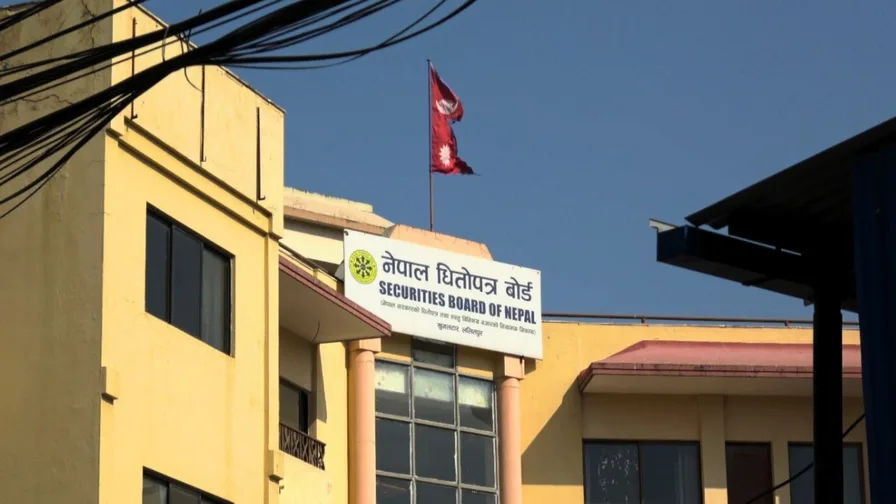
The Securities Board of Nepal (SEBON) has unveiled a draft of the ‘Alternative Investment Fund Regulations, 2083’ aimed at tightening oversight and establishing a more structured framework for private equity and venture capital (PEVC) funds. Designed to replace the existing Specialized Investment Fund Regulations, 2075, the draft mandates raising the minimum paid-up capital of fund managers from NPR 20 million to NPR 50 million and requires funds to retain investments in portfolio companies for a minimum lock-in period of three years.
Expanding the regulatory scope of alternative investments, the draft brings angel funds, small and medium enterprise (SME) funds, social impact funds, infrastructure funds, debt funds, special situation funds, and funds-of-funds under SEBON's purview. Under the proposed provisions, prospective fund managers must obtain prior approval from the regulator before registering a company, while existing fund managers will be given a three-year window to meet the new NPR 50 million capital requirement. In addition to corporate entities, the regulations open the door for funds to be established as trusts or Limited Liability Partnerships (LLPs).
On the investment front, the minimum subscription threshold for general alternative funds has been set at NPR 5 million per investor, while a lower entry barrier of NPR 2.5 million is proposed for venture capital, SME, social impact, and angel funds. By enforcing a mandatory three-year holding period in any single portfolio company, SEBON seeks to curb short-term speculative trading and steer funds toward long-term capital formation.
Furthermore, the draft incorporates stringent governance measures to protect investor interests, including conflict-of-interest management, investor eligibility verification, restrictions prohibiting one fund from investing in another, and provisions governing mergers and acquisitions among fund managers. It also outlines special incentives for funds targeting environmental and sustainable development goals, alongside risk-based supervisory inspections by the regulator to ensure transparency and institutional stability in Nepal’s alternative capital market.
Advertisement
Written by
Dipesh Ghimire