Climate Crisis
From Warning to Catastrophe: Climate Crisis Wreaks Havoc in Nepal's Himalayas
While the crisis deepens, the Nepal government has introduced ambitious policy measures. Through its Nationally Determined Contributions (NDC 3.0), the government aims to reduce greenhouse gas emissions by 26.8% and boost renewable energy capacity to 28,500 MW by 2035. The state has also proposed multi-hazard early warning systems and integrated watershed management. However, stakeholders and climate activists warn that global pledges and national policies are no longer enough. To save lives from escalating climate disasters, these commitments must be urgently and effectively implemented at the grassroots level.
Dipesh Ghimire
2 min read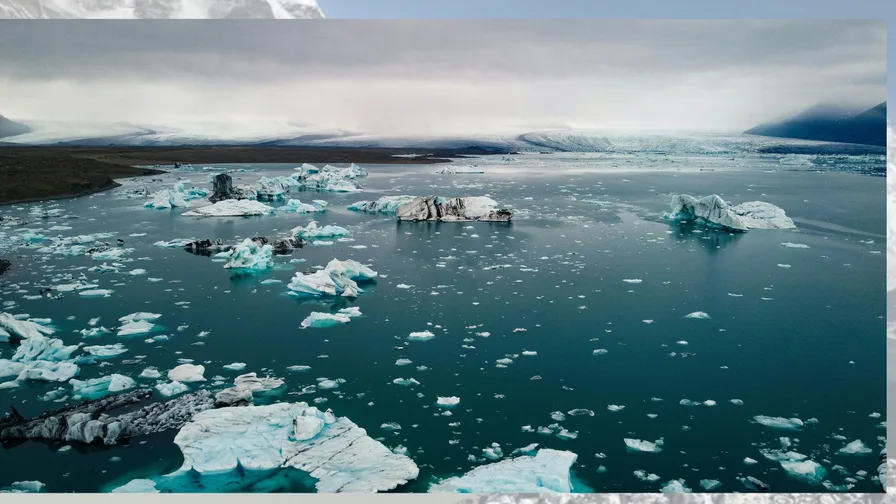
The climate crisis in Nepal’s high mountains is no longer a looming threat—it has evolved into a catastrophic reality. The dire warnings issued by United Nations Secretary-General António Guterres from the Khumbu region a few years ago have tragically materialized. Rapidly rising temperatures and melting glaciers have triggered a series of devastating Glacial Lake Outburst Floods (GLOFs), most notably in Thame and the Bhote Koshi river, proving that the Himalayas are bearing the brunt of a global crisis.
The sheer scale of the destruction became terrifyingly clear in August 2026, when a sudden outburst flood in Rasuwa’s Bhote Koshi (Lende Khola) caused one of the deadliest disasters in Nepal's recent history. According to the National Disaster Risk Reduction and Management Authority, the catastrophe has claimed over 1,000 lives, with approximately 4,600 people still reported missing. The flood's intensity was so severe that bodies were swept hundreds of kilometers downstream to districts like Chitwan and Nawalparasi. This follows a similar tragedy in August 2024, when two glacial lakes burst above Thame village in Khumbu, sweeping away settlements, schools, and displacing hundreds of locals overnight.
During his 2023 visit, Secretary-General Guterres termed the unprecedented Himalayan snowmelt as a "madness" that the world must stop, noting that these communities are paying a heavy price for carbon emissions they did not create. Echoing this urgency, women-led organizations like the 'Sathsathai Foundation' have been actively championing climate justice. By formulating the 'Gokyo' and 'Karnali' declarations, they are amplifying the voices of vulnerable populations—from the high mountains to the southern plains—and ensuring their ground realities are heard at global climate summits like COP.
While the crisis deepens, the Nepal government has introduced ambitious policy measures. Through its Nationally Determined Contributions (NDC 3.0), the government aims to reduce greenhouse gas emissions by 26.8% and boost renewable energy capacity to 28,500 MW by 2035. The state has also proposed multi-hazard early warning systems and integrated watershed management. However, stakeholders and climate activists warn that global pledges and national policies are no longer enough. To save lives from escalating climate disasters, these commitments must be urgently and effectively implemented at the grassroots level.
Advertisement
Written by
Dipesh Ghimire