Hydropower Licenses
Government Plans Review of Idle Hydropower Licenses as Energy Sector Seeks New Direction
For Nepal, where hydropower is considered a major driver of economic transformation, the challenge now is not only increasing generation capacity but also creating a reliable system for investment, transmission, domestic consumption and regional electricity trade.
Dipesh Ghimire
2 min read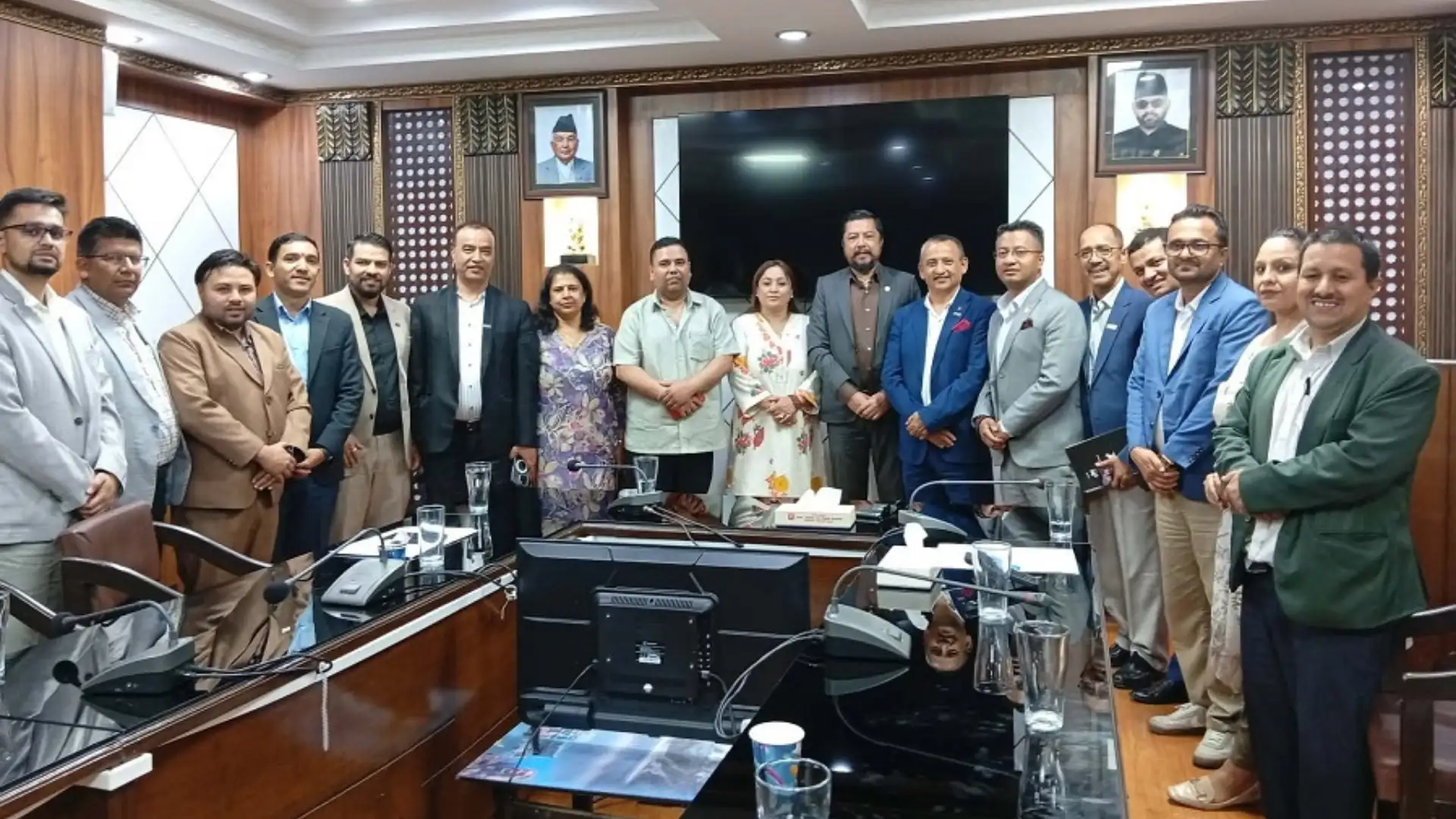
Kathmandu — Nepal’s energy sector is entering a new phase of policy review as the government prepares to examine hydropower projects that have secured licenses but have failed to make meaningful progress for years.
Energy, Water Resources and Irrigation Minister Biraj Bhakta Shrestha has said that hydropower projects will be studied and categorized based on their implementation status before taking further decisions. The move signals the government’s intention to distinguish between genuine developers and those holding licenses without advancing projects.
Speaking at a program organized to welcome the newly elected executive committee of the Independent Power Producers’ Association, Nepal (IPPAN), Minister Shrestha said the government would continue to support serious investors but would not encourage the practice of obtaining licenses merely to keep projects inactive.
The issue of inactive hydropower licenses has remained a long-standing challenge in Nepal’s energy sector. While the country has significant hydropower potential, delays in project development have slowed the expansion of electricity generation capacity and limited the effective use of available resources.
Minister Shrestha said energy sector problems should not be addressed through a single approach. Instead, projects and challenges should be classified according to priority and handled accordingly. He also emphasized the need to introduce necessary regulations and guidelines alongside the new Electricity Act to reduce policy uncertainty.
The minister highlighted that Nepal’s energy development strategy should go beyond electricity generation. He stressed the need to increase private sector participation in electricity trading, power consumption growth, transmission infrastructure and distribution systems.
According to him, a long-term national transmission line master plan is necessary to avoid duplication of investment and ensure more coordinated development of power infrastructure.
The minister also pointed out that climate change is changing the nature of energy production globally. Nepal’s future energy strategy, he said, should be based on an energy mix model that balances different sources of energy to ensure reliability and sustainability.
Nepal is also working to strengthen energy diplomacy to expand electricity exports. The government is considering appointing an energy representative at the Nepali Embassy in India to facilitate discussions and promote cross-border power trade.
During the program, IPPAN presented a 38-point recommendation package to the Energy Ministry, highlighting key issues affecting private sector investment. The suggestions included allowing greater private sector participation in electricity trading, improving transmission infrastructure, making electricity laws more investment-friendly, reforming power purchase agreements (PPAs), extending license periods and simplifying approval processes.
IPPAN President Mohan Dangol said Nepal could achieve its target of producing 30,000 megawatts of electricity within the next decade if the government creates a supportive policy environment for private investment.
However, he pointed out that delays in PPA approvals, insufficient transmission infrastructure, uncertainty over commercial operation date extensions and license cancellation policies have increased concerns among investors.
The government’s latest initiative reflects an attempt to balance two priorities: encouraging investment in the hydropower sector while ensuring that valuable energy resources are not blocked by inactive projects.
For Nepal, where hydropower is considered a major driver of economic transformation, the challenge now is not only increasing generation capacity but also creating a reliable system for investment, transmission, domestic consumption and regional electricity trade.
Advertisement
Written by
Dipesh Ghimire