Nepal’s Economy
Inflation Crosses 5 Percent as Food and Service Costs Put Pressure on Consumers
Economists view supply management, domestic production growth and efficient market monitoring as key measures to prevent further price pressures. Maintaining price stability will remain an important challenge as Nepal attempts to revive economic activity and strengthen household purchasing power.
Dipesh Ghimire
2 min read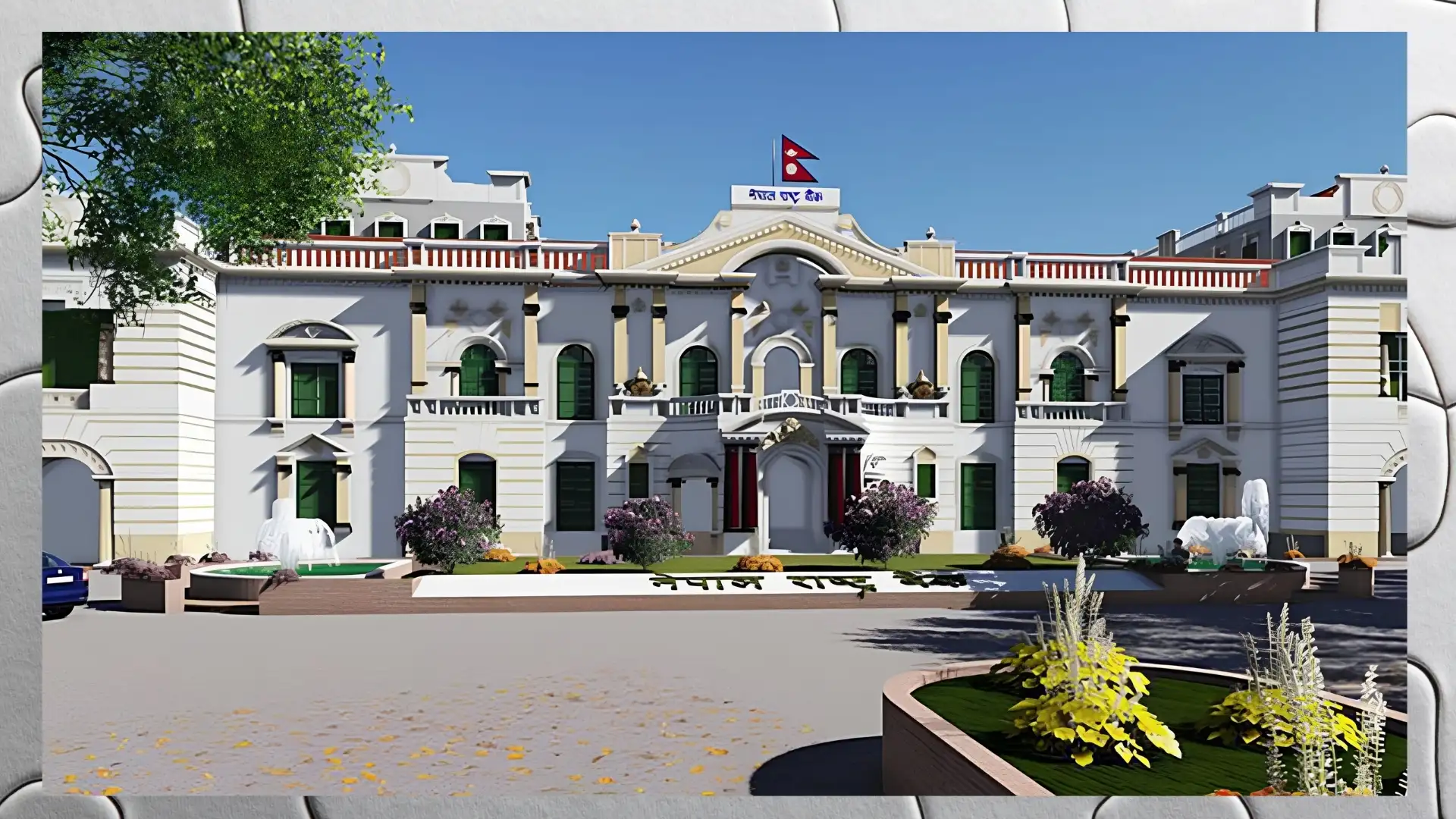
Kathmandu — Nepal’s inflationary pressure has increased in recent months, with rising prices of food items and services affecting household expenses. Although the average inflation rate during the first 11 months of the current fiscal year remains moderate, the latest monthly data shows a noticeable rise in consumer prices.
According to Nepal Rastra Bank’s Current Macroeconomic and Financial Situation Report, the average consumer inflation during the first 11 months of fiscal year 2082/83 stood at 2.89 percent. However, the year-on-year consumer inflation rate in Jestha reached 5.22 percent.
The latest figure shows a clear increase compared to the same period last year, when annual consumer inflation stood at 2.72 percent. The rise indicates that price pressures have gradually strengthened despite overall inflation remaining within a manageable range.
Food and beverage prices have continued to influence household spending. According to the central bank, inflation in the food and beverage category stood at 4.95 percent, while the non-food and services category recorded inflation of 5.37 percent.
Among food items, fruits recorded the sharpest price increase, with prices rising by 17.40 percent compared to the previous year. The price of ghee and edible oils increased by 15.10 percent, while meat and fish prices rose by 5.26 percent and vegetable prices increased by 4.14 percent.
However, not all food items became more expensive. The price index of pulses and legumes declined by 0.93 percent during the review period, providing some relief in that category.
The service sector has also emerged as a major contributor to inflation. Prices of miscellaneous goods and services increased by 16.68 percent, making it the fastest-growing category within non-food and services.
Transportation costs increased significantly, with service prices rising by 15.31 percent. Similarly, prices of alcoholic beverages increased by 7.20 percent, education services by 5.54 percent, and clothing and footwear by 5.53 percent.
The inflation trend has also varied across geographical areas. Urban consumers faced higher price pressure compared to rural households. In Jestha, urban inflation stood at 5.38 percent, while rural inflation was recorded at 4.78 percent.
Among provinces, Koshi Province recorded the highest inflation rate at 5.75 percent. Madhesh and Lumbini provinces followed with 5.62 percent each. Gandaki recorded 5.05 percent, Karnali 4.89 percent, Bagmati 4.79 percent, and Sudurpaschim 4.61 percent.
Geographical differences were also visible. The Terai region experienced the highest inflation pressure, with annual consumer inflation reaching 5.74 percent. The hill region recorded 5.07 percent, Kathmandu Valley 4.98 percent, and the Himalayan region 3.71 percent.
The latest inflation data presents a mixed picture for Nepal’s economy. While overall inflation remains under control compared to previous high-inflation periods, rising prices of essential goods, transportation and services are increasing pressure on consumers.
Economists view supply management, domestic production growth and efficient market monitoring as key measures to prevent further price pressures. Maintaining price stability will remain an important challenge as Nepal attempts to revive economic activity and strengthen household purchasing power.
Advertisement
Written by
Dipesh Ghimire