Top
Nepalis set to pay via QR code in India within a month as cross-border talks advance
However, industry observers emphasize that smooth adoption will hinge on clear regulatory disclosures from Nepal Rastra Bank and payment operators—specifically regarding per-transaction caps, foreign exchange conversion rates, service charges, and consumer dispute resolution mechanisms.
Dipesh Ghimire
2 min read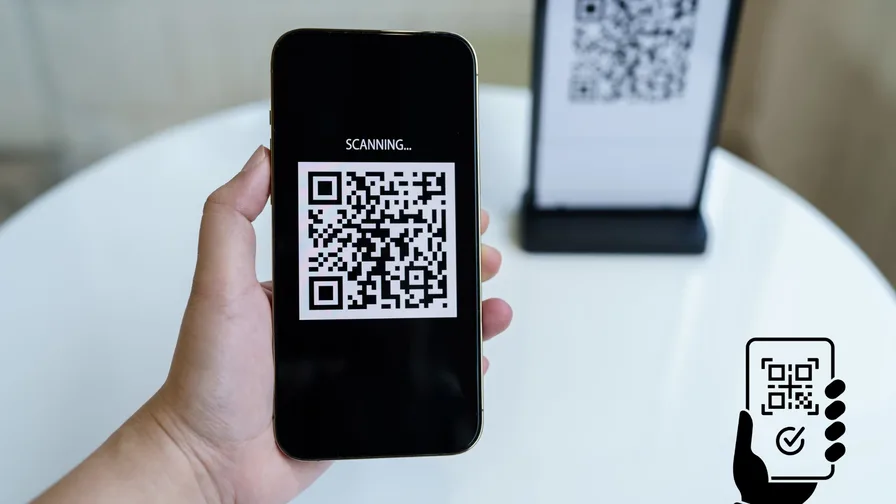
Nepali citizens traveling to India will soon be able to settle retail, hotel, and restaurant bills by scanning local QR codes directly through their domestic banking apps, following renewed bilateral momentum to operationalize cross-border Person-to-Merchant (P2M) digital payments within a month.
The long-stalled initiative regained traction immediately after Prime Minister Balendra Shah returned from his recent official visit to India. Officials from Nepal’s payment system operator Fonepay and the National Payments Corporation of India (NPCI) held high-level talks on Monday and Tuesday, reaching a positive understanding to launch outbound QR-based merchant payments for Nepali users.
According to an official privy to the discussions, backend technical infrastructure on both sides is already complete, leaving formal regulatory sign-offs as the final hurdle before rollout. If administrative procedures stay on schedule, the service is targeted to go live within 30 days, though the exact launch date, participating banks, transaction limits, and fee structures are yet to be disclosed.
Ending a three-year wait for reciprocal payment access
The push marks the culmination of a bilateral digital payment framework originally signed in June 2023 during then-Prime Minister Pushpa Kamal Dahal’s visit to New Delhi. Under that pact, Nepal Clearing House Limited (NCHL) and Fonepay were designated to integrate with India’s NPCI to enable phased Person-to-Person (P2P) and Person-to-Merchant (P2M) transactions.
While NCHL subsequently operationalized cross-border P2P fund transfers—further reinforced during Foreign Minister Shishir Khanal’s visit to India last Jestha—merchant QR payments for Nepalis traveling south remained pending.
Until now, cross-border QR payments operated asymmetrically: Indian visitors in Nepal could already pay Nepali merchants via Indian digital wallets, whereas Nepali travelers lacked reciprocal access in India. Operationalizing the outbound P2M channel will close this gap and establish two-way digital financial connectivity.
How the Fonepay-UPI linkage will work
Once activated, the system will link Nepal’s Fonepay network directly with India’s Unified Payments Interface (UPI). Nepali travelers will be able to open their existing Fonepay-enabled mobile banking apps or digital wallets and scan UPI merchant QR codes across Indian commercial establishments.
Financial analysts note that the facility carries significant practical and macroeconomic implications. Every year, hundreds of thousands of Nepalis travel to India for medical treatment, higher education, religious pilgrimages, and business—often facing hurdles in sourcing Indian currency notes or carrying large amounts of physical cash.
Beyond traveler convenience, formalizing retail cross-border outflows through regulated banking channels is expected to curb informal currency exchanges along the open border while expanding the footprint of Nepal’s digital payment ecosystem.
However, industry observers emphasize that smooth adoption will hinge on clear regulatory disclosures from Nepal Rastra Bank and payment operators—specifically regarding per-transaction caps, foreign exchange conversion rates, service charges, and consumer dispute resolution mechanisms.
Written by
Dipesh Ghimire