Nepal’s economic
Nepal’s External Sector Gains Strength, but Domestic Economy Struggles to Pick Up Pace
Nepal’s economic story currently presents a mixed picture — external stability has improved significantly, but the next challenge is transforming that stability into sustainable domestic growth.
Dipesh Ghimire
4 min read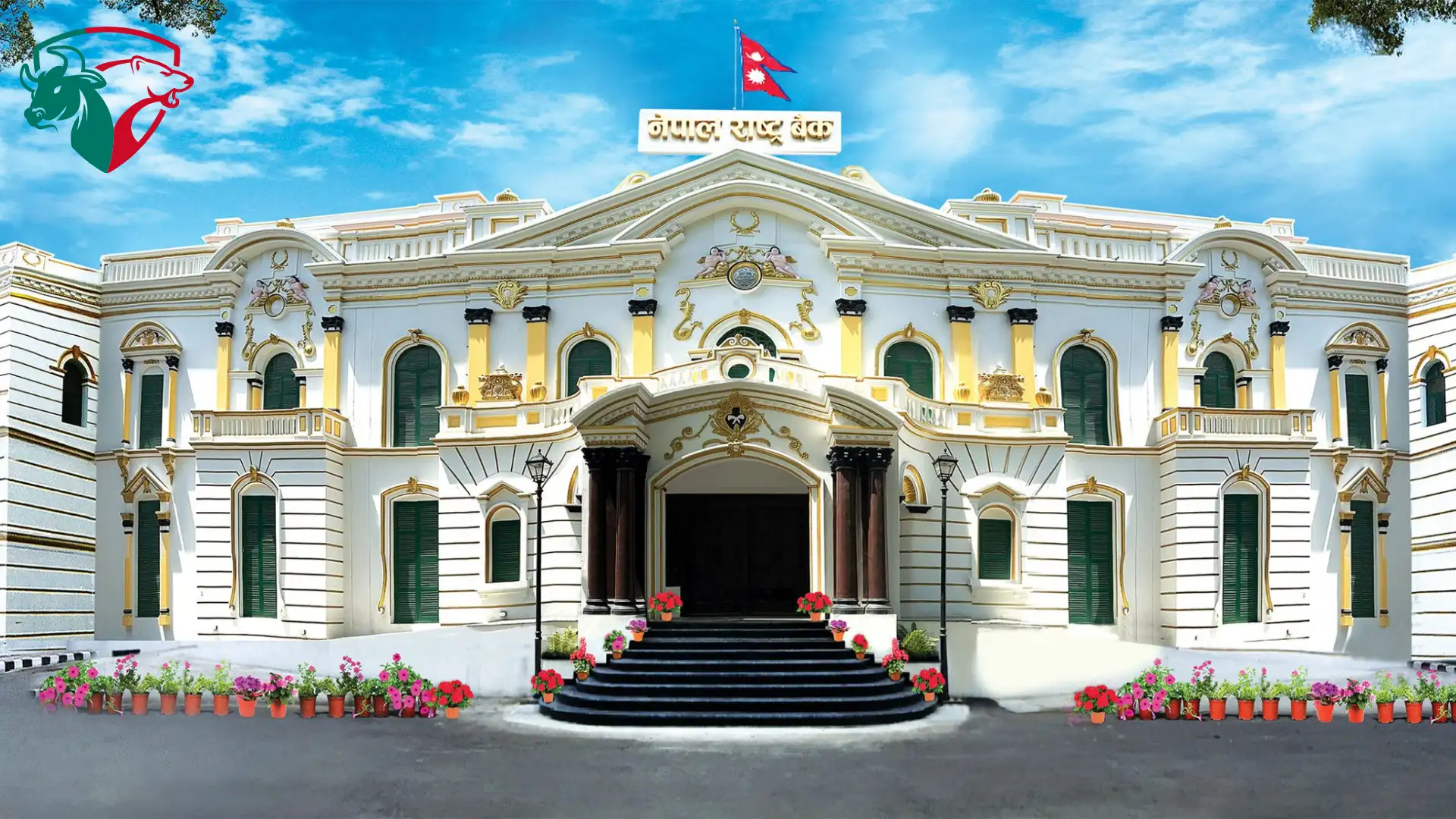
Kathmandu — Nepal’s external economic position has improved significantly in recent months, supported by a sharp rise in remittance inflows, stronger foreign exchange reserves and a healthy balance of payments position. However, the improvement in external indicators has not yet translated into stronger domestic economic activity, as private investment, credit expansion and business confidence remain weak.
The latest data released by Nepal Rastra Bank for the first 11 months of the current fiscal year 2025/26 shows a contrasting picture of the economy. While external stability has improved, the domestic side continues to face challenges related to investment growth, industrial expansion and employment creation.
Foreign Exchange Reserves Provide Strong External Cushion
Nepal’s foreign exchange reserves have reached a comfortable position, reducing pressure on the country’s external sector. According to Nepal Rastra Bank, total foreign exchange reserves reached Rs. 3.755 trillion by the end of Jestha.
In US dollar terms, the reserves stood at USD 24.68 billion, which is enough to finance around 19.1 months of imports of goods and services.
The rise in foreign currency reserves has strengthened Nepal’s capacity to meet international payment obligations and reduced concerns over external vulnerability. A stronger reserve position also provides policymakers with greater flexibility in managing economic shocks.
Remittance Continues to Support the Economy
The major force behind Nepal’s improved external position has been the significant growth in remittance inflows.
During the first 11 months of the current fiscal year, remittance inflows increased by 38.2 percent to reach Rs. 2.12 trillion. This is a sharp improvement compared to the previous year, when remittance growth stood at 15.6 percent during the same period.
In US dollar terms, remittance increased by 29.6 percent to USD 14.59 billion.
In Jestha alone, Nepal received Rs. 203.89 billion in remittance, highlighting the continued dependence of the economy on income from Nepalis working abroad.
However, the decline in the number of new labour approvals for foreign employment raises concerns about whether the current pace of remittance growth can continue in the long term.
Current Account and Balance of Payments Show Strong Surplus
The improvement in remittance and foreign exchange earnings has strengthened Nepal’s overall external balance.
The current account recorded a surplus of Rs. 802.06 billion during the review period. Similarly, the balance of payments (BoP) surplus reached Rs. 926.06 billion.
This is a significant improvement compared to the same period last year, when the BoP surplus stood at Rs. 491.44 billion.
The data indicates that Nepal is currently receiving more foreign currency than it is spending, creating a comfortable external position after facing pressure in previous years.
Strong Liquidity, Weak Credit Demand
Despite positive external indicators, the domestic economy has not gained expected momentum.
Nepal’s banking system currently has sufficient liquidity. Deposits collected by banks and financial institutions increased by 10.3 percent to reach Rs. 8.01 trillion.
However, private sector credit growth remained limited. Loans extended to the private sector increased by only 6.2 percent to Rs. 5.83 trillion.
The slow growth in credit demand reflects weak business expansion and cautious investment behaviour among entrepreneurs.
Although banks have enough funds to lend, businesses are not actively seeking loans for new projects, expansion or industrial activities.
Low Interest Rates Fail to Boost Investment
Interest rates in Nepal have declined significantly in recent months. The weighted average interbank rate has fallen to 2.73 percent, while the average lending rate of commercial banks stands at 6.64 percent.
Normally, lower borrowing costs encourage businesses to invest and expand. However, the current situation shows that cheaper credit alone has not been enough to revive private sector confidence.
Businesses appear concerned about market demand, policy uncertainty and overall economic conditions, leading to a cautious approach toward new investment.
Government Spending Increases, but Growth Impact Remains Limited
Government expenditure during the review period reached Rs. 1.346 trillion, while revenue collection stood at Rs. 1.081 trillion.
Although public spending has increased, its impact on economic activity remains limited due to slow implementation of capital projects and weak private sector participation.
The economy continues to face difficulties in converting financial resources into productive investment, industrial output and employment opportunities.
Main Economic Challenge Shifts from Stability to Growth
The latest economic indicators suggest that Nepal’s immediate challenge is no longer external stability but generating domestic economic momentum.
The country currently has strong foreign exchange reserves, rising remittance inflows, adequate banking liquidity and lower interest rates. However, these advantages have not yet translated into higher production, investment and job creation.
Economists argue that the focus now should be on directing available financial resources toward productive sectors such as industry, infrastructure, agriculture and employment-generating activities.
Nepal’s economic story currently presents a mixed picture — external stability has improved significantly, but the next challenge is transforming that stability into sustainable domestic growth.
Advertisement
Written by
Dipesh Ghimire