Oil Surges to One-Month High
Oil Surges to One-Month High as Gulf Conflict Deepens Investor Unease Across Asia
Perhaps the most telling detail is what didn't happen: gold, traditionally a safe-haven asset during geopolitical turmoil, actually slipped 0.40 percent, while silver posted only a modest one percent gain. In a conflict-driven environment, one might expect a stronger flight to safety. Its absence hints that investors may still view this as a contained, regional escalation rather than the opening stage of a broader crisis — though that assessment could shift quickly if hostilities deepen further in the days ahead.
Dipesh Ghimire
2 min read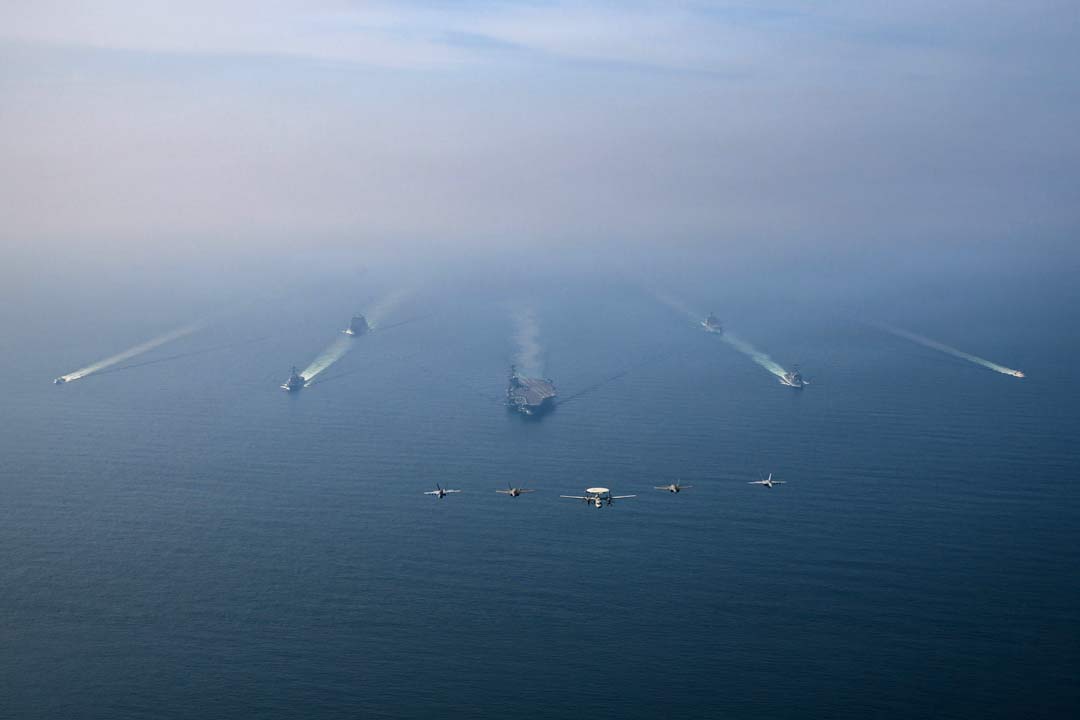
Global oil markets snapped sharply higher on Monday, with prices touching their highest levels in over a month as the military standoff between the United States and Iran showed no signs of cooling. The rally in crude stood in sharp contrast to the caution rippling through Asian equity markets, where investors found themselves torn between fears of a widening Middle East war and hopes of fresh economic stimulus from China.
At the heart of the oil rally lies a single geographic chokepoint: the Strait of Hormuz. With roughly one-fifth of the world's seaborne crude passing through this narrow corridor, even the threat of disruption is enough to send traders scrambling. Brent crude, the global benchmark, pushed past $91 a barrel — its strongest showing since mid-June — after both Brent and WTI had already climbed more than four percent the previous week.
The immediate trigger was a fresh round of hostilities: American airstrikes against Iranian military installations, met with Iranian retaliation against US and allied assets stationed across the Gulf. What began as a regional flashpoint has increasingly taken on the shape of a direct confrontation, and that shift is precisely what has unsettled markets — geopolitical risk of this kind rarely stays priced-in for long before spilling into broader financial anxiety.
That anxiety is now colliding with a delicate macroeconomic balancing act. Central banks, particularly the US Federal Reserve, had been signalling room to cut interest rates on the back of cooling inflation and a softening labour market. A sustained spike in oil prices threatens to upend that trajectory, since energy costs feed directly into headline inflation figures. Analyst Stephen Innes of SPI Asset Management captured this tension well, noting that markets are effectively being pulled from two opposite directions — geopolitical risk pushing prices up, even as underlying inflationary pressure in the US continues to fade. His warning carries a longer-term implication: prolonged high oil prices don't just affect fuel bills, they erode household purchasing power broadly, which over time can act as a drag on economic growth itself.
This divergence between short-term shock and longer-term economic fundamentals is visible in how differently Asian markets reacted. Hong Kong and Shanghai rallied strongly — the Hang Seng up over two percent and Shanghai gaining 1.32 percent — but not because of oil. That optimism was rooted in anticipation of new Chinese stimulus measures, suggesting investors there are, for now, prioritizing domestic policy signals over external geopolitical risk. Taipei, Manila, and Singapore followed a similar upward path.
Seoul, Sydney, and Wellington told a different story. Trading there was distinctly more guarded, a caution that appears linked less to the Gulf crisis directly and more to Friday's broad-based selloff on Wall Street, where all three major US indices closed lower. This suggests some Asian markets are taking their cues more from Wall Street sentiment than from the oil-driven narrative dominating headlines.
Perhaps the most telling detail is what didn't happen: gold, traditionally a safe-haven asset during geopolitical turmoil, actually slipped 0.40 percent, while silver posted only a modest one percent gain. In a conflict-driven environment, one might expect a stronger flight to safety. Its absence hints that investors may still view this as a contained, regional escalation rather than the opening stage of a broader crisis — though that assessment could shift quickly if hostilities deepen further in the days ahead.
Advertisement
Written by
Dipesh Ghimire