Top
Overseas Nepalis Remain Excluded from Voting as Election Nears
Overseas Nepalis Remain Excluded from Voting as Election Nears With the government setting the House of Representatives election for February 21, political activity across Nepal has intensified. Political parties are accelerating campaign efforts, and election-related discussions have become common in public spaces such as tea shops, marketplaces, and community gatherings. However, as the election date approaches, millions of Nepali citizens living abroad are once again set to remain excluded from the electoral process, unable to exercise their right to vote. Despite repeated public debates during every election cycle, the state has yet to establish a practical mechanism to ensure voting rights for Nepalis working overseas. Civil society groups and labor-rights advocates argue that this continued exclusion undermines democratic inclusiveness and weakens political legitimacy, particularly given the significant economic and social contributions of migrant workers to the country.
Dipesh Ghimire
3 min read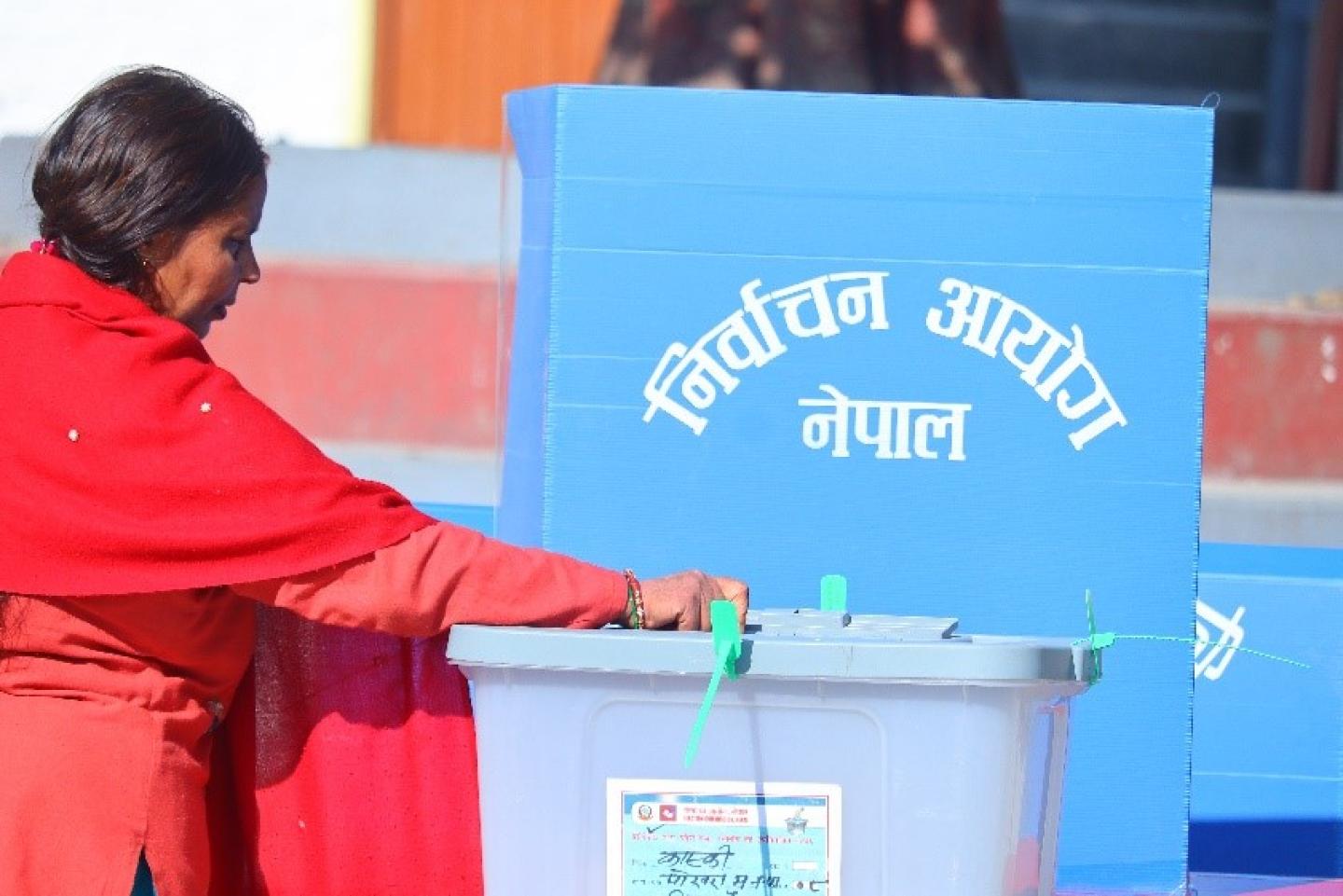
With the government setting the House of Representatives election for February 21, political activity across Nepal has intensified. Political parties are accelerating campaign efforts, and election-related discussions have become common in public spaces such as tea shops, marketplaces, and community gatherings. However, as the election date approaches, millions of Nepali citizens living abroad are once again set to remain excluded from the electoral process, unable to exercise their right to vote.
Despite repeated public debates during every election cycle, the state has yet to establish a practical mechanism to ensure voting rights for Nepalis working overseas. Civil society groups and labor-rights advocates argue that this continued exclusion undermines democratic inclusiveness and weakens political legitimacy, particularly given the significant economic and social contributions of migrant workers to the country.
A recent survey conducted by the Labour Network and the Forum for Law and Policy on Social Justice provides strong evidence that overseas Nepalis are not indifferent to national politics. On the contrary, the findings suggest a clear willingness among migrant workers to participate in elections if appropriate voting mechanisms are introduced. The survey reflects growing political awareness among the Nepali diaspora, particularly younger workers.
According to the data, electronic and internet-based voting emerged as the most preferred option among respondents, receiving support from more than nine out of ten participants. Proxy voting and in-person voting at designated locations abroad were also favored by a significant proportion, while postal voting received comparatively lower support. These preferences indicate that overseas workers are open to multiple models of participation, provided the system is accessible and trustworthy.
The survey further reveals that 43 percent of respondents stated they would definitely vote if given the opportunity to do so from abroad, while another 41 percent said they might participate. This suggests that nearly four out of five migrant workers could potentially engage in the electoral process if voting rights were extended, challenging the long-held assumption that overseas citizens lack interest in domestic politics.
Emotional and civic motivations appear to play a central role in this interest. More than 42 percent of respondents cited emotional, social, and informational ties to Nepal as their primary reason for wanting to vote. An equal proportion emphasized the need to protect democratic rights, while others expressed a desire to contribute meaningfully to the country’s political decision-making and policy direction.
The data also highlights a notable rise in youth participation in recent elections. Compared to 2017, participation among migrant workers in the 2022 local and federal elections increased significantly, even though voting required physical presence in Nepal. At the same time, a large segment of surveyed youth reported never having participated in any election, indicating structural barriers rather than political apathy.
Beyond voting, the survey shows that overseas Nepali youth are politically engaged in alternative ways. Many reported encouraging family members back home to vote, supporting political campaigns through social media, contributing financially to political movements, or affiliating with diaspora wings of political parties. This reflects indirect political participation compensating for the lack of formal voting rights.
When asked about feasibility, a plurality of respondents expressed confidence that overseas voting is possible in Nepal’s context. However, legal constraints were identified as the primary obstacle, followed closely by technical challenges and a lack of public awareness. These findings suggest that the barriers are institutional rather than logistical, and potentially resolvable through political commitment and legal reform.
The survey, which included 6,485 Nepali workers primarily from the Middle East and Malaysia, also provides insight into demographic patterns. Participation was highest among males and workers aged between 25 and 38 years. Province-wise, migrant workers originating from Koshi Province were the most represented, followed by Bagmati and Gandaki, reflecting broader migration trends.
Overall, the findings reinforce a growing consensus among overseas Nepalis that voting is an essential pillar of democracy. While the demand for participation is strong and increasingly organized, the absence of a legal and technical framework continues to exclude a large section of citizens from the electoral process. As Nepal moves closer to another national election, the question of overseas voting remains unresolved—once again deferred to the future.
Advertisement
Written by
Dipesh Ghimire