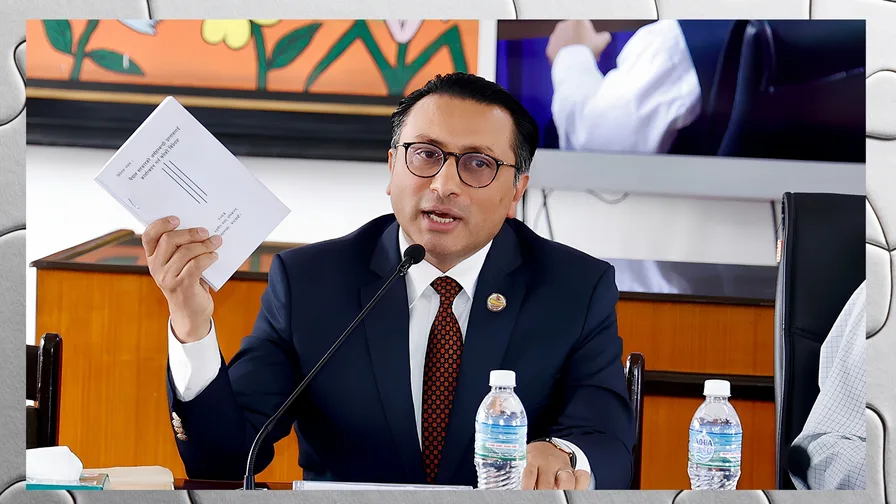
Brokers' Aggressive Preparatio3 min readBrokers' Aggressive Preparation: 12 Companies Get Rated for 18 BillionOverall, the fact that broker companies have acquired credit ratings for Rs. 18 billion is a massive leap for the institutional development of the Nepali stock market. This will end the investors' compulsion to rely on banks in the future. However, until the Nepal Rastra Bank's overall monetary policy, the upcoming steps of the Securities Board, and the broader macroeconomic indicators become positive, investor morale will not be uplifted. Until morale improves, it is certain that this billion-rupee 'booster dose' prepared by the brokers will remain unused and frozen in the market.Dipesh Ghimire·15 Sep, 2026
Stock Market6 min readGovernment’s 21-Point ‘Booster Dose’ to Uplift the Stock Market: Capital Gains Tax Reduced, Intraday and Short Selling to be IntroducedWill these agencies set aside their egos and interests to work on a war footing? Will the parliament amend the Acts on time? Investors are currently waiting for the answers to these very questions. In terms of policy, the government has prepared every foundation to make the market ‘bullish’; now it is time for honest implementation. The general investors' expectation is that this document succeeds in becoming a ‘turning point’ for the reform of the stock market.Dipesh Ghimire·15 Sep, 2026
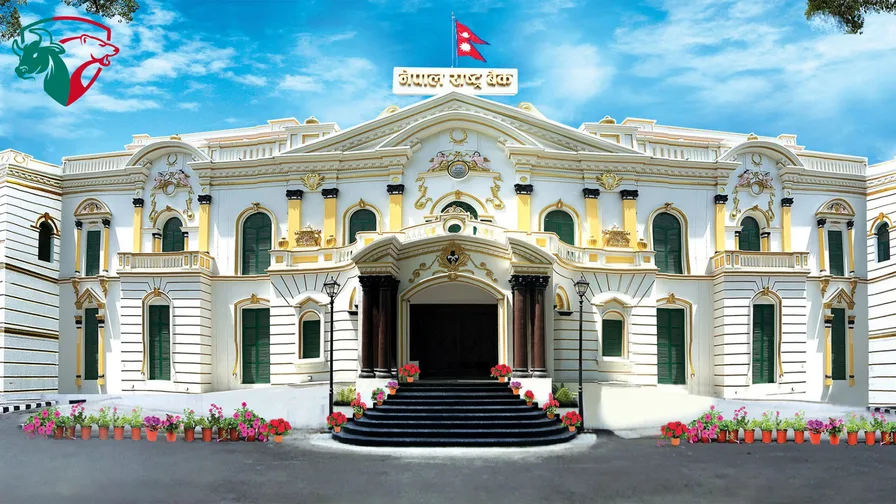
Nepal Rastra Bank4 min readNRB's 'Paradigm Shift': Flood, Cyber, and AI Risks Now to be Tested in Bank Balance Sheets Overall, it appears that the NRB has prioritized the long-term stability of the entire banking system over momentary profits and operating costs. This new guideline steers the Nepali banking sector away from the traditional reactive approach of dealing with a crisis after it occurs, moving towards the international standard of proactive risk mitigation. This step is certain to prove a significant milestone in banking history for improving credit quality and safely navigating changing technologies.Dipesh Ghimire·15 Sep, 2026
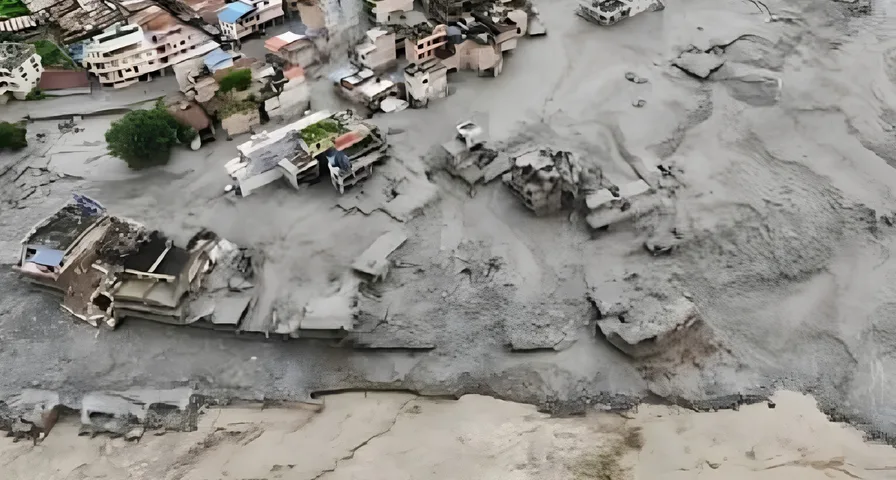
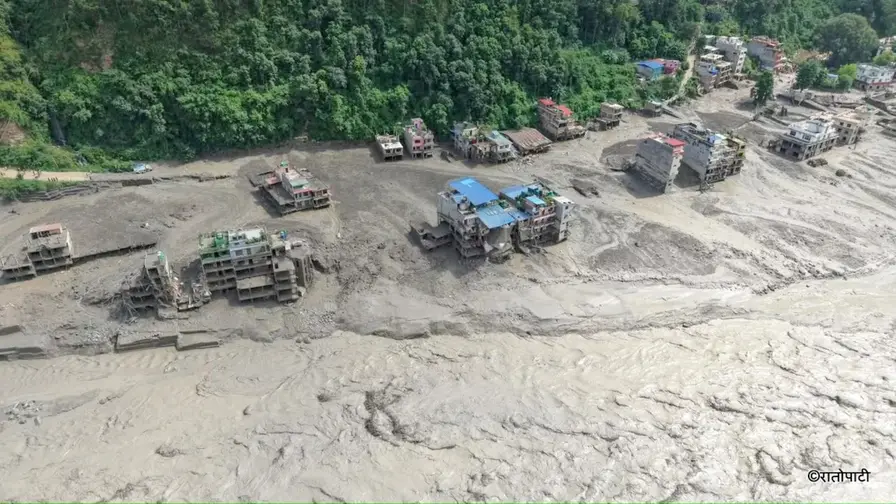
Financial Sector2 min readFlood Aftermath Hits Financial Sector: Hydropower and Insurance Companies Under 'Rating Watch'Ultimately, a single natural disaster in Rasuwa has sent shockwaves through Nepal's interconnected economic cycle, seamlessly moving from the energy sector to insurance and banking. The true extent of the financial toll will now depend heavily on the pace of infrastructure reconstruction, the efficiency of insurance claim settlements, and the overall trajectory of loan recovery in the coming months.Dipesh Ghimire·14 Sep, 2026
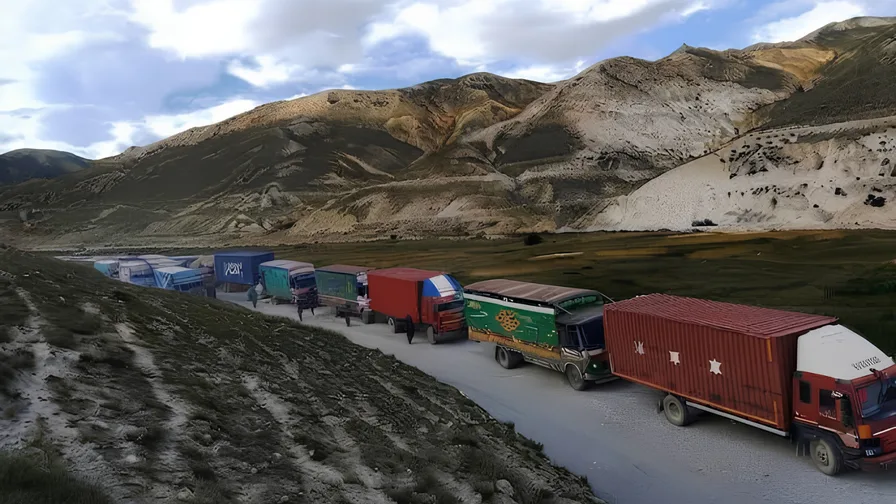
Korala Border1 min readTrade Surges at Korala Border: Rs 1.78 Billion Revenue Collected in Just 15 DaysHistorically, the Korala pass at Lo Manthang-4 was open year-round strictly for the local residents of Upper Mustang. However, the government officially designated it as an alternative commercial trade route in September last year after similar weather-induced road blockades crippled the Tatopani and Rasuwagadhi checkpoints. In the last fiscal year, the Mustang customs point recorded imports worth Rs 14.41 billion and exports worth Rs 205 million, generating Rs 6.92 billion in total revenue while clearing 3,223 EVs and 1,873 containers.Dipesh Ghimire·13 Sep, 2026
Demat Account1 min read44% of Demat Account Holders Missing from the Secondary Market: The Paradox of Nepal’s Stock ExchangeFor the sustainable development of the capital market, experts stress that regulatory bodies must shift their focus from celebrating account numbers to enhancing financial literacy. Transitioning this massive crowd of primary market participants into informed, active secondary market investors remains the most pressing challenge for Nepal's financial sector.Dipesh Ghimire·11 Sep, 2026
Hydro Projects Damaged 1 min readUninsured Hydro Projects Damaged by Floods Cost Nepal Electricity Authority Rs 25 BillionInsurance sector experts, however, have strongly criticized this approach, calling the failure to transfer risk a critical administrative oversight. Representatives from the Non-Life Insurers' Association pointed out that natural disasters do not provide advance warnings, and relying on past safety records to bypass insurance on vital national infrastructure creates unnecessary systemic vulnerability. Analysts warn that absorbing a Rs 25 billion deficit directly could ultimately force the utility to offset losses through future electricity tariff increases for consumers.Dipesh Ghimire·11 Sep, 2026
Upper Tamakoshi1 min readUnauthorized Expenditure of Rs 6 Billion in Upper Tamakoshi; Former NEA MD Ghising and Top Officials ImplicatedSimilar financial opacity has been observed in the 21 MW Rolwaling Khola Hydropower Project. While the standard construction cost for such projects generally ranges from Rs 200 million to Rs 250 million per megawatt, the cost for Rolwaling has unnaturally escalated to between Rs 550 million and Rs 600 million per megawatt. This abnormal cost inflation is expected to severely undermine the project's financial returns, directly victimizing hundreds of thousands of retail investors who purchased shares at premium prices in the secondary market. These actions have raised serious questions regarding the corporate governance of the project.Dipesh Ghimire·11 Sep, 2026
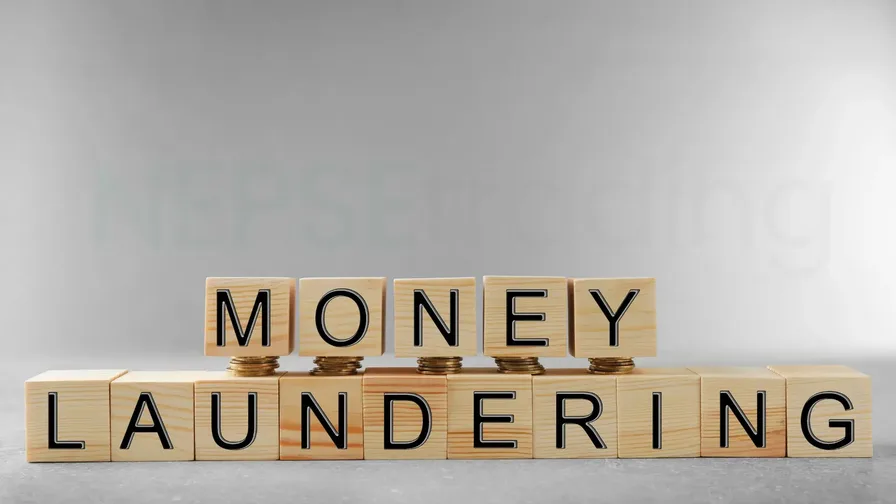
Money Laundering1 min readNepal’s Money Laundering Risk Remains ‘Medium-High’ Amid Weak ImplementationDue to the lack of result-oriented actions in controlling money laundering, the Financial Action Task Force (FATF) has kept Nepal under 'increased monitoring' since February 2025. To expedite the recovery of illicit wealth, the assessment suggests introducing non-conviction-based civil confiscation, which would allow authorities to seize assets without waiting for lengthy final court verdicts. Moving forward, the report emphasizes that Nepal must prioritize the strict enforcement of existing laws by aggressively adopting a 'follow the money' approach, rather than merely creating new legislation.Dipesh Ghimire·10 Sep, 2026
Top1 min readEconomic Blow of Bhote Koshi Floods: Tourism and Power Exports Hit Hard, Foreign Reserves Face PressureThe economic fallout of this disaster extends far beyond immediate reconstruction costs, posing a deeper threat to the nation's overall service exports and external economy. Experts emphasize that the government and the Nepal Tourism Board must urgently mobilize diplomatic missions to broadcast clear, accurate information to the global market regarding safe travel zones. Furthermore, stakeholders stress that moving forward, Nepal has no alternative but to adopt 'climate-resilient' infrastructure designs capable of withstanding the escalating risks of natural disasters.Dipesh Ghimire·10 Sep, 2026