Switzerland Visa3 min readBusiness Visa for Switzerland – Apply Online with VFS GlobalIf you're a Nepali citizen planning to travel to Switzerland for business purposes, applying for a Switzerland Business Visa is the ideal way to ensure your entry into the country for work-related activities. The process of applying for a business visa can be completed online through VFS Global, making it a convenient option for those who need to attend business meetings, conferences, or other professional events.Sandeep Chaudhary·8 Jan, 2026
swiss3 min readHow to Apply for Switzerland eVisa Online for Nepali CitizensTo apply for a Switzerland eVisa online as a Nepali citizen, you will need to follow a structured process to ensure your application is accepted. The process begins with gathering the necessary documents. You will be required to fill out the visa application form, which must be completed and signed. If you are under 18 years old, both parents need to sign the form, and additional documents like a birth certificate and a parental consent letter must be submitted if traveling alone or with only one parent.Sandeep Chaudhary·8 Jan, 2026
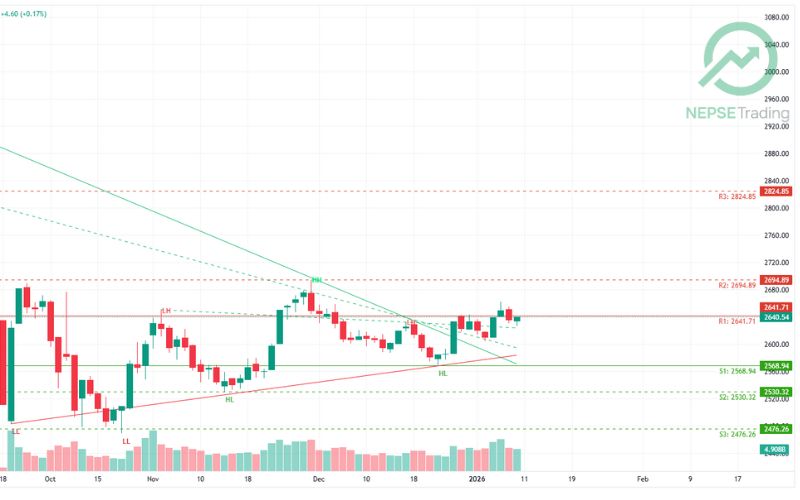
nepse 3 min readStock Market Shows Modest Gains, Yet Struggles with Broader MomentumStock Market Shows Modest Gains, Yet Struggles with Broader Momentum On Thursday, the final trading day of the week, the Nepal Stock Exchange (NEPSE) index showed modest gains, reflecting a market that is still searching for clear direction. After experiencing a decline on Wednesday, the index recovered by 4.59 points to close at 2,640.54, signaling a technical rebound. However, despite the positive movement, market sentiment remained tepid, as the trading volume continued to show signs of caution among investors. The NEPSE index’s gain on Thursday was largely driven by a recovery from the previous day's correction. However, the overall market's excitement remained subdued. Analysts suggest that this small upward movement should be seen as a temporary technical adjustment rather than the beginning of a robust bullish trend. There was no significant breakout or increase in market activity to support a long-term rally.Dipesh Ghimire·8 Jan, 2026
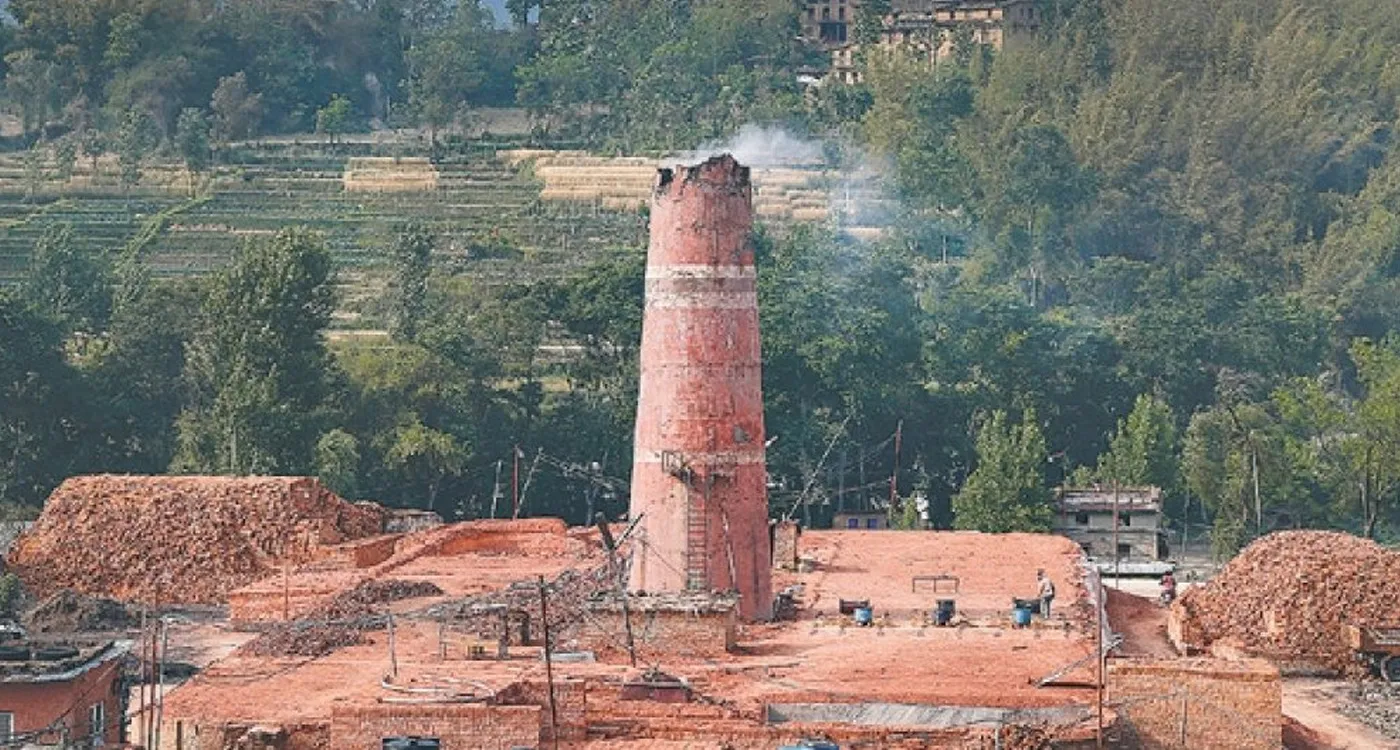
Top4 min readPrioritising the Brick Industry Is Key to Reviving Nepal’s Construction SectorPrioritising the Brick Industry Is Key to Reviving Nepal’s Construction Sector Nepal’s brick industry represents more than a construction input—it is a continuation of a civilisation that has endured for thousands of years. Archaeological excavations in Kapilvastu have revealed bricks dating back more than three millennia, produced using techniques strikingly similar to those still in use today. The durability and artistic quality of Nepal’s red bricks have shaped temples, monuments, and settlements for centuries, making the industry both an economic and cultural asset. Despite this legacy, the sector is under growing strain. Around 1,100 brick kilns are currently operational across the country, down from nearly 1,300 just two years ago. A slowdown in public infrastructure spending, restrictions on land plotting, economic stagnation, and declining private housing construction have reduced demand. In some local governments, concrete blocks are being promoted over traditional bricks, even though their long-term durability has not been scientifically established.Dipesh Ghimire·8 Jan, 2026
Top4 min readNepal’s Tourism Potential Stalled by State Apathy, Safety Gaps, and Policy InertiaNepal’s Tourism Potential Stalled by State Apathy, Safety Gaps, and Policy Inertia Nepal’s tourism sector continues to underperform despite its immense natural and cultural advantages, largely due to weak state facilitation rather than a lack of private initiative. Natural disasters such as floods, landslides, earthquakes, and recurring aviation accidents have repeatedly disrupted tourism growth, but deeper structural and policy failures have compounded the damage. Instead of acting as a facilitator, the state apparatus is often accused of constraining the sector through indecision, poor governance, and inconsistent priorities. Among the most persistent challenges facing tourism is safety—particularly in aviation and road transport. Nepal’s difficult terrain and unpredictable weather already pose natural risks, but inadequate infrastructure, outdated navigation systems, and weak weather forecasting have magnified those risks. Frequent air accidents have eroded international confidence, discouraging visitors from travelling beyond major hubs and limiting the dispersal of tourism benefits across the country.Dipesh Ghimire·8 Jan, 2026
Top4 min readIndustrial Development in Nepal: Why Productivity, Policy Stability, and Technology MatterIndustrial Development in Nepal: Why Productivity, Policy Stability, and Technology Matter Nepal’s debate on industrial development has resurfaced with renewed urgency as the country struggles to convert its natural and human resources into sustainable economic output. Despite having vast arable land and a large working-age population, Nepal remains heavily dependent on imports for even basic consumer goods. This imbalance reflects deeper structural weaknesses in productivity, skills development, and policy execution. Although agriculture dominates land use, domestic production fails to meet everyday demand. Low productivity, fragmented supply chains, and weak market integration have kept local output limited. As a result, Nepal imports food grains, vegetables, edible oil, textiles, and even basic medical consumables—items that could otherwise be produced domestically with modest investment and coordination.Dipesh Ghimire·8 Jan, 2026
Top5 min readTurning Monetary Comfort into Economic Growth Remains Nepal’s Key TestTurning Monetary Comfort into Economic Growth Remains Nepal’s Key Test Nepal’s formal banking journey spans nearly nine decades, but the experience of modern, customer-oriented banking is relatively recent. The transformation began in the 1980s, when foreign joint-venture banks entered the Nepali market with government backing. Institutions such as Nabil Bank, Nepal Investment Bank, and Standard Chartered Bank introduced competitive products, professional management, and international standards, setting the stage for a structural shift in financial services. In the years that followed, Nepal’s banking sector expanded rapidly. By the late 2000s, the country had more than 30 commercial banks, alongside development banks, finance companies, and microfinance institutions. This rapid expansion created an overcrowded financial market, increasing competition but also intensifying systemic vulnerability. The global financial crisis of 2008 exposed these weaknesses, and by the early 2010s, liquidity stress and volatile interest rates emerged as recurring challenges.Dipesh Ghimire·8 Jan, 2026
Top4 min readReforming Weaknesses Can Restore Confidence in Financial IntermediationReforming Weaknesses Can Restore Confidence in Financial Intermediation Nepal’s banking sector, which today operates through mobile apps and digital platforms, traces its roots to a handwritten ledger system introduced nearly nine decades ago. The establishment of Nepal Bank in 1937 marked the formal beginning of institutional banking in the country. Initiated under the leadership of then Prime Minister Juddha Shumsher, the bank laid the foundation for modern financial intermediation at a time when Nepal’s economy was largely informal and cash-based. Nepal Bank was not merely a commercial institution; it functioned as the backbone of the country’s early financial system. Before the creation of Nepal Rastra Bank in 1956, Nepal Bank performed several central banking functions, including currency issuance, treasury management, and financial education. Concepts such as bank accounts, credit instruments, balance sheets, and basic accounting practices were introduced to the public through this institution, shaping Nepal’s early financial literacy.Dipesh Ghimire·8 Jan, 2026
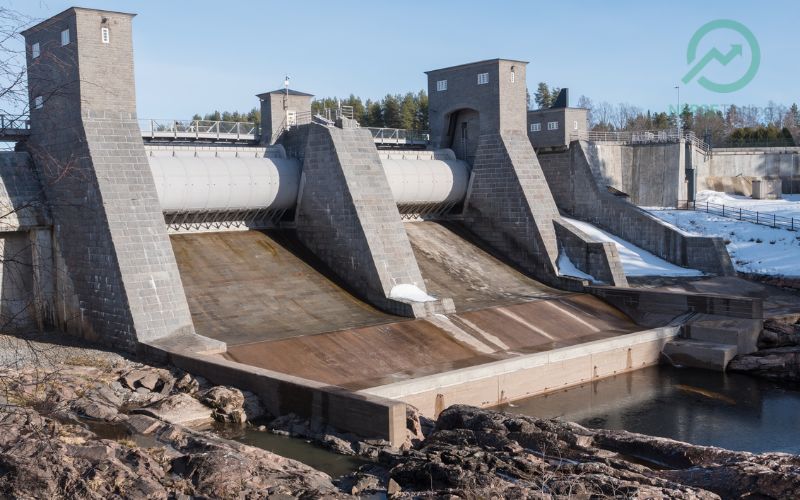
Top5 min readHydropower Development in Nepal: Opportunities, Structural Challenges, and the Road AheadHydropower Development in Nepal: Opportunities, Structural Challenges, and the Road Ahead Nepal’s hydropower sector stands at a critical juncture, marked by impressive growth potential alongside persistent structural and institutional challenges. As of mid-2024, the country’s total installed electricity capacity has crossed 3,150 megawatts, with hydropower contributing nearly 95 percent of the total. Thousands of megawatts are under construction, while several large projects remain in various stages of study. With expanding electricity markets in India and Bangladesh and a government target of producing 28,000 megawatts by 2035, hydropower is increasingly viewed as a cornerstone of Nepal’s economic transformation.Dipesh Ghimire·8 Jan, 2026
Fiscal Federalism4 min readFiscal Federalism Remains Elusive as Resources Stay CentralizedFiscal Federalism Remains Elusive as Resources Stay Centralized Nepal’s transition to a federal system was expected to empower citizens by strengthening local and provincial governments financially. In principle, fiscal federalism is not merely about dividing budgets among different tiers of government; it is about enabling people’s economic empowerment through decentralized financial decision-making. However, years into federal implementation, the promise of fiscal federalism remains largely unfulfilled, as financial authority continues to be tightly controlled at the center. Fiscal federalism involves the sharing of revenue generation, expenditure responsibilities, and financial administration among multiple levels of government. In Nepal’s case, this responsibility is constitutionally divided among the federal, provincial, and local governments. While the legal framework—supported by constitutional provisions and intergovernmental fiscal laws—appears robust on paper, practical implementation tells a different story. Financial powers may be distributed in theory, but in practice, local governments continue to operate with limited autonomy.Dipesh Ghimire·7 Jan, 2026