Top
RSP’s Capital Market Promises Raise Investor Expectations as Early Election Trends Show Strong Support
RSP’s Capital Market Promises Raise Investor Expectations as Early Election Trends Show Strong Support Preliminary vote counts and exit polls from the ongoing House of Representatives election have indicated a surprisingly strong performance by the Rastriya Swatantra Party (RSP), raising expectations among millions of investors in Nepal’s capital market. Early projections from several media outlets suggest the possibility that the party could secure a dominant position in parliament, with some estimates even hinting at the chance of forming a majority government. While the final results remain to be confirmed, the emerging trend has already sparked optimism among participants in Nepal’s stock market.
Dipesh Ghimire
4 min read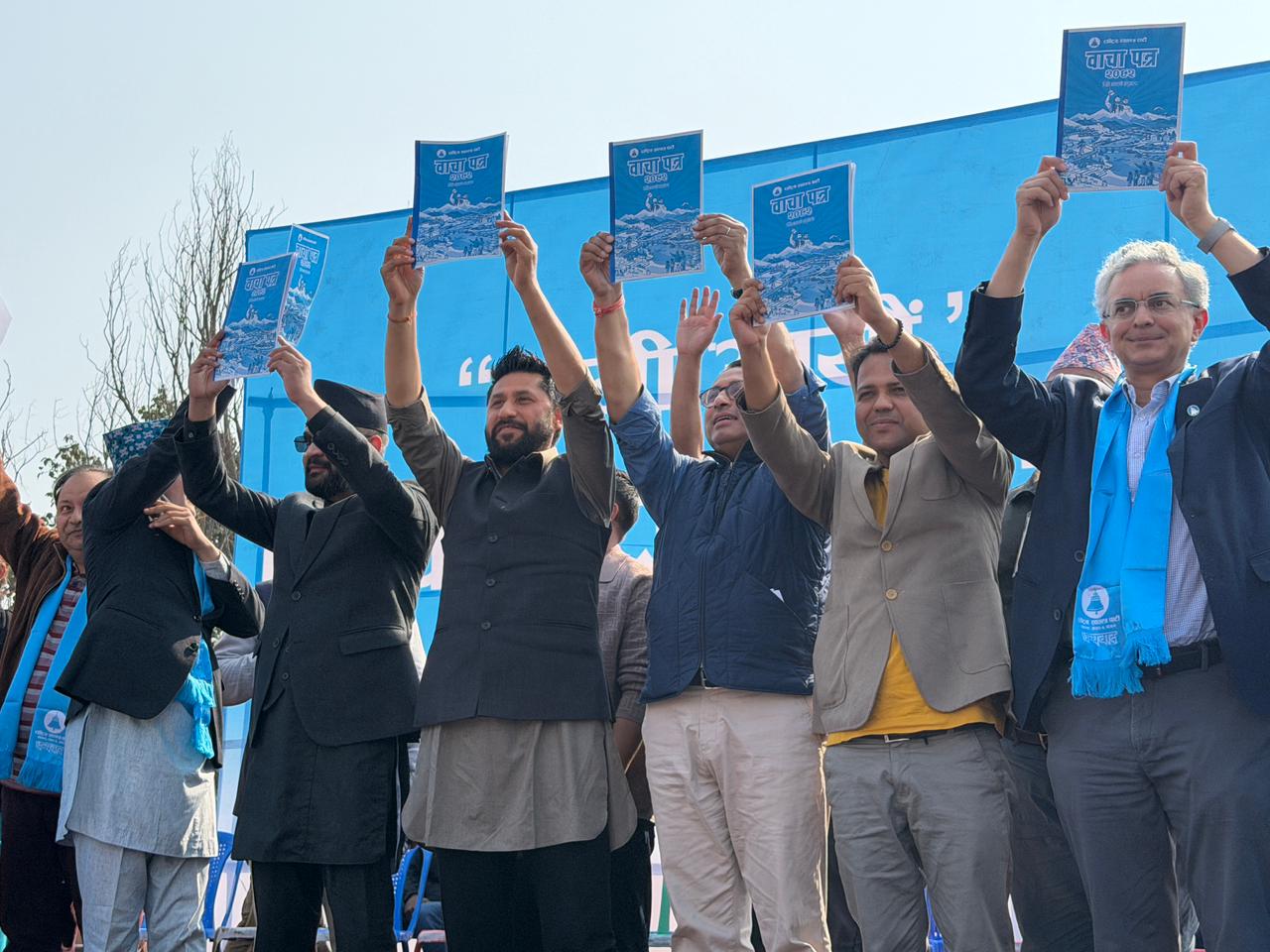
Preliminary vote counts and exit polls from the ongoing House of Representatives election have indicated a surprisingly strong performance by the Rastriya Swatantra Party (RSP), raising expectations among millions of investors in Nepal’s capital market. Early projections from several media outlets suggest the possibility that the party could secure a dominant position in parliament, with some estimates even hinting at the chance of forming a majority government. While the final results remain to be confirmed, the emerging trend has already sparked optimism among participants in Nepal’s stock market.
The growing enthusiasm among investors is largely linked to the detailed commitments the party outlined in its election manifesto regarding capital market reform. In recent years, political parties have often made promises related to financial sector development during elections, but many of those pledges remained unfulfilled after governments were formed. This time, however, market participants believe that the scale and specificity of RSP’s commitments have created higher expectations for structural reforms in Nepal’s financial markets.
Nepal’s capital market has expanded rapidly in recent years, with the number of investors surpassing seven million. Many of these investors are relatively new participants who entered the market during the boom in retail trading over the past few years. Analysts suggest that this large investor base has become an influential voting bloc. According to market observers, a significant portion of these investors were attracted by RSP’s clear policy proposals aimed at modernizing the financial system and strengthening market transparency.
One of the major commitments highlighted in the party’s policy document involves restructuring the Securities Board of Nepal (SEBON). The proposal calls for amendments to the Securities Act to enhance the regulator’s autonomy, strengthen its institutional capacity, and increase professional staffing. Market experts argue that a stronger and more independent regulatory body could improve investor protection and restore confidence in the system, which has occasionally faced criticism over regulatory delays and enforcement gaps.
Another key reform proposal relates to the restructuring and modernization of Nepal Stock Exchange (NEPSE) and CDS and Clearing Limited (CDSC). The party has indicated plans to increase private sector participation in these institutions while improving their technological and operational capabilities. Supporters believe that such changes could accelerate the modernization of Nepal’s trading infrastructure, making the market more efficient and aligned with international standards.
The introduction of advanced financial instruments is also a major part of the proposed reforms. The manifesto suggests gradually introducing intraday trading, short selling, and derivative instruments such as futures and options within a clear legal framework. Financial analysts say these tools could increase market liquidity, provide hedging opportunities, and attract more sophisticated investors. However, they also emphasize that strong regulatory oversight would be necessary to manage potential risks associated with such instruments.
In addition to market expansion, the party has pledged strict enforcement against insider trading and market manipulation. The policy outlines a “zero tolerance” approach toward illegal trading practices. Experts believe that stronger enforcement mechanisms could play a critical role in protecting retail investors and maintaining fair market conditions, especially in a market where information asymmetry has often been a concern.
Reforms to the initial public offering (IPO) system have also been proposed. The manifesto calls for improvements in the book-building process and for ensuring timely listing of newly issued shares. Market participants have frequently complained about delays and inefficiencies in the IPO allocation and listing processes. If implemented effectively, these reforms could make the capital raising process more transparent and attractive for both companies and investors.
Another important component of the policy framework is the mobilization of institutional investors. The party has emphasized the need to encourage pension funds, insurance companies, and mutual funds to increase their participation in the market. Analysts note that stronger institutional participation could help stabilize the market by reducing volatility caused by excessive retail speculation.
The development of Nepal’s bond market is also included in the reform agenda. Plans have been outlined to expand the issuance of government, municipal, and corporate bonds, including infrastructure bonds aimed at financing long-term development projects. Economists believe that a deeper bond market could provide alternative investment opportunities and reduce overreliance on equity markets for capital formation.
The party has also pledged to open Nepal’s stock market to Non-Resident Nepalis (NRNs). This long-discussed policy could potentially bring significant foreign capital into the market. Experts suggest that if appropriate regulatory frameworks are introduced, NRN participation could improve market depth and provide additional liquidity to the financial system.
Another notable proposal involves the establishment of a commodity exchange market. By introducing legal frameworks such as a Public Warehousing Act and developing risk management instruments, policymakers aim to diversify Nepal’s financial ecosystem beyond traditional equities. Such reforms could help connect agricultural and commodity markets with financial markets, creating new avenues for investment and risk management.
Technology and accessibility also feature prominently in the reform agenda. The manifesto emphasizes expanding digital infrastructure so that investors from across the country—not only from Kathmandu—can participate more easily in the capital market. The plan also includes introducing automated reporting systems to improve financial transparency among listed companies and launching nationwide financial literacy campaigns to educate small investors.
Taken together, these commitments represent one of the most comprehensive policy approaches toward capital market reform proposed in Nepal’s political landscape. Analysts caution, however, that the success of these reforms will depend not only on political will but also on effective implementation, institutional capacity, and regulatory discipline.
As vote counting continues, investors are closely watching the election outcome. If the current trends translate into a governing mandate for the Rastriya Swatantra Party, Nepal’s capital market could be entering a period of significant structural change. For millions of investors, the coming months may determine whether these ambitious policy promises translate into concrete reforms that reshape the country’s financial future.
Advertisement
Written by
Dipesh Ghimire