SEBON
SEBON Forms Special Committee to Introduce New Financial Instruments, Aims to Diversify Capital Market
In addition to these tools, the panel will study the necessary legal and structural frameworks to roll out commodity futures and currency derivatives in a phased manner. This sweeping initiative directly aligns with the targets set in SEBON's "Capital Market Development Roadmap, 2083". By bringing these modern financial tools into practice, the regulatory board expects to transform Nepal's capital market into a multi-dimensional platform, offering investors a wider array of dynamic investment alternatives.
Dipesh Ghimire
1 min read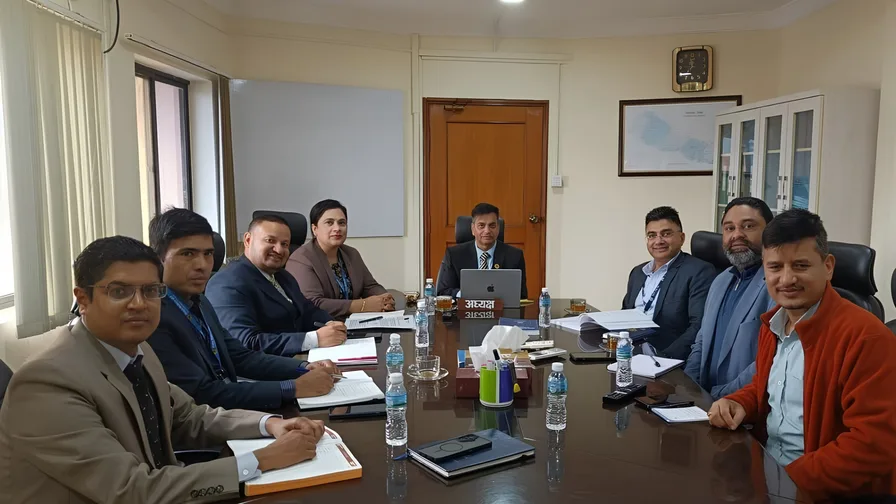
In a major move to modernize and broaden Nepal’s capital market—which has traditionally been confined to equity trading—the Securities Board of Nepal (SEBON) has formed a special seven-member committee. This panel is tasked with designing the necessary legal, institutional, and technical frameworks required to launch a diverse range of new financial instruments.
Led by SEBON’s Acting Executive Director, the high-level committee includes a director-level representative from the Nepal Rastra Bank (NRB), alongside delegates from the Nepal Stock Exchange (NEPSE) and the Merchant Bankers Association of Nepal. Taking immediate action, the committee has already convened its first meeting to officially initiate conceptual and technical preparations.
Currently, Nepal’s stock market is heavily reliant on the trading of ordinary shares. To break this monotony and add much-needed depth to the market, the committee’s primary mandate is to facilitate the trading of corporate, government, green, municipal, and infrastructure bonds. Furthermore, modern investment vehicles such as Exchange Traded Funds (ETFs), Real Estate Investment Trusts (REITs), and Infrastructure Investment Trusts (InvITs) will also be introduced.
In addition to these tools, the panel will study the necessary legal and structural frameworks to roll out commodity futures and currency derivatives in a phased manner. This sweeping initiative directly aligns with the targets set in SEBON's "Capital Market Development Roadmap, 2083". By bringing these modern financial tools into practice, the regulatory board expects to transform Nepal's capital market into a multi-dimensional platform, offering investors a wider array of dynamic investment alternatives.
Advertisement
Written by
Dipesh Ghimire