Top
SEBON Imposes Fines on Three Brokerage Firms for Anti-Money Laundering Violations
SEBON Imposes Fines on Three Brokerage Firms for Anti-Money Laundering Violations The Securities Board of Nepal (SEBON) has taken strict action against three brokerage firms for violating anti-money laundering regulations. The board imposed fines on the companies for failing to adhere to the provisions of the Money Laundering Prevention Act, 2008. The affected brokerage firms include Sipla Securities Limited in Gyaneshwor, Shri Krishna Securities Limited in Dillibazar, and Hatemalo Financial Services Pvt. Ltd. in Naxal, Kathmandu.
Dipesh Ghimire
2 min read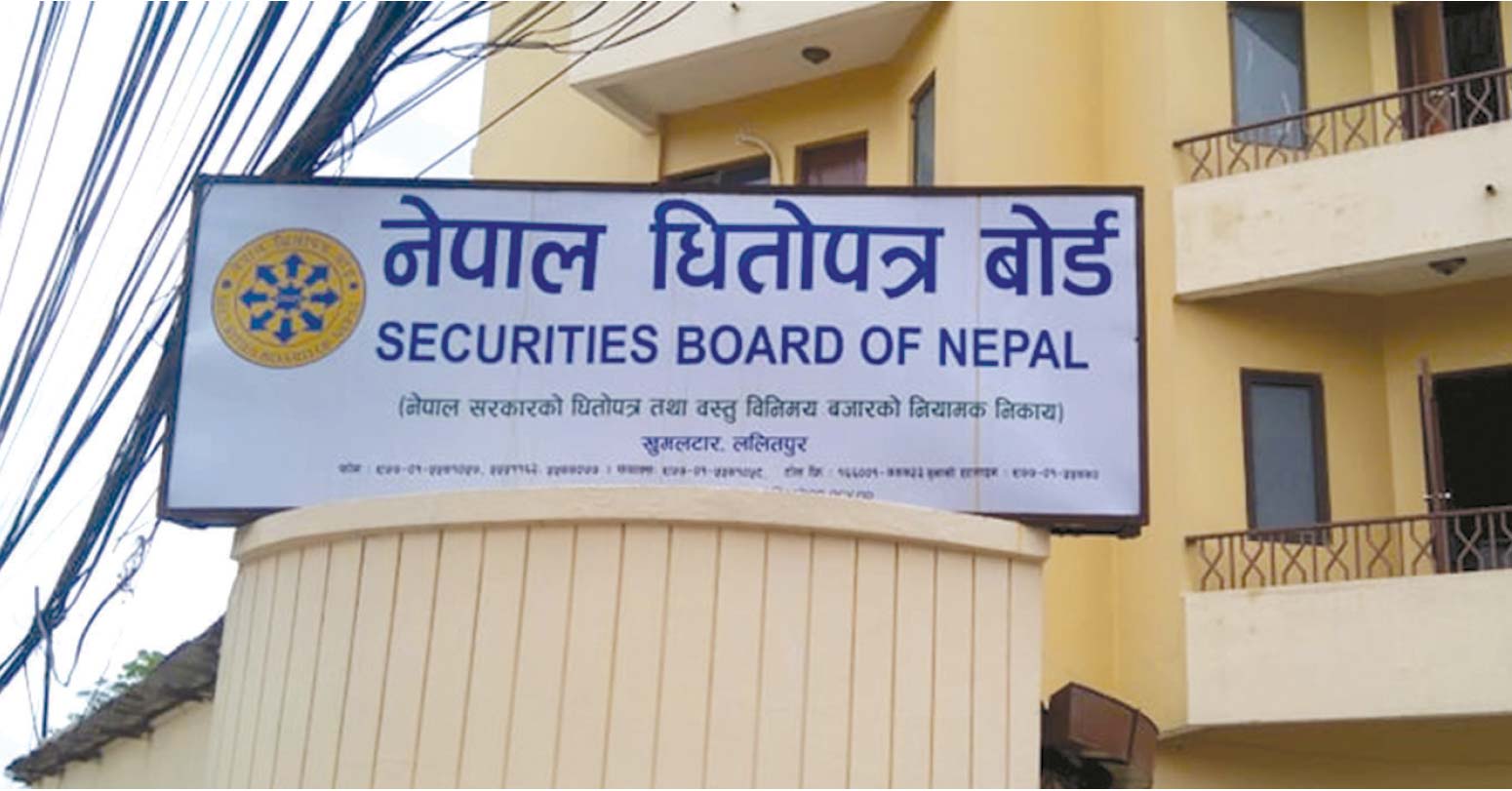
The Securities Board of Nepal (SEBON) has taken strict action against three brokerage firms for violating anti-money laundering regulations. The board imposed fines on the companies for failing to adhere to the provisions of the Money Laundering Prevention Act, 2008. The affected brokerage firms include Sipla Securities Limited in Gyaneshwor, Shri Krishna Securities Limited in Dillibazar, and Hatemalo Financial Services Pvt. Ltd. in Naxal, Kathmandu.
Violation of Anti-Money Laundering Laws
According to SEBON's official statement, these three brokerage firms violated Section 7F(1)(k) of the Money Laundering Prevention Act, 2008, which mandates strict compliance with money laundering prevention laws. This section allows the imposition of fines for violations of the Act or any rules, directives, or instructions issued under it. SEBON’s action follows a detailed investigation into the firms' practices, which uncovered the violations related to money laundering controls.
Fines Imposed by SEBON
As part of the penalty, SEBON has fined Sipla Securities Limited a hefty sum of NPR 5 million (50 lakh). The remaining two firms, Shri Krishna Securities Limited and Hatemalo Financial Services Pvt. Ltd., were each fined NPR 3 million (30 lakh). The fines were imposed as per the severity of the violations and the firms' failure to adhere to regulations designed to prevent money laundering and illicit financial activities.
SEBON’s Role and Commitment to Anti-Money Laundering
SEBON, as the regulatory body for the securities market in Nepal, has a vital role in maintaining market integrity and ensuring compliance with financial regulations. By imposing these fines, SEBON has demonstrated its commitment to combating money laundering within the securities market. The imposition of fines reflects the seriousness with which SEBON is tackling the issue of financial crime and is part of its ongoing efforts to create a transparent and secure market environment.
Industry Implications
This move by SEBON underscores the increasing scrutiny on financial institutions, particularly in the wake of global efforts to curb money laundering. Brokerage firms are expected to comply with anti-money laundering laws, and any non-compliance can result in substantial penalties, as demonstrated by the fines imposed on these three companies. It serves as a reminder to other firms in the securities market that adherence to regulations is not optional but essential for maintaining business operations and trust within the market.
The fine also highlights the growing importance of financial due diligence and the need for robust internal controls to detect and prevent illicit financial activities. Brokerage firms and other financial institutions must ensure that they have systems in place to comply with anti-money laundering laws and avoid the potential consequences of non-compliance.
Conclusion
SEBON's decisive action in fining these three brokerage firms reinforces its commitment to ensuring the integrity of Nepal's financial system. As the regulatory body continues to enforce stringent rules and regulations, it sends a strong message that companies operating within the securities market must comply with all legal requirements, especially those concerning money laundering prevention. This case serves as a reminder of the importance of maintaining transparent, lawful practices within Nepal's growing financial markets.
Advertisement
Written by
Dipesh Ghimire