Top
Vacancy at the Top: Delay in Deputy Governor Appointments Raises Concerns Over Central Bank Efficiency
Vacancy at the Top: Delay in Deputy Governor Appointments Raises Concerns Over Central Bank Efficiency Kathmandu. Nearly a month after both Deputy Governor positions at Nepal Rastra Bank (NRB) fell vacant, the government has yet to initiate a formal appointment process, raising concerns over institutional continuity and decision-making efficiency within the country’s central bank. The two posts became vacant on Falgun 24 following the completion of their tenure, but the transition period marked by political change has left the positions unfilled.
Dipesh Ghimire
3 min read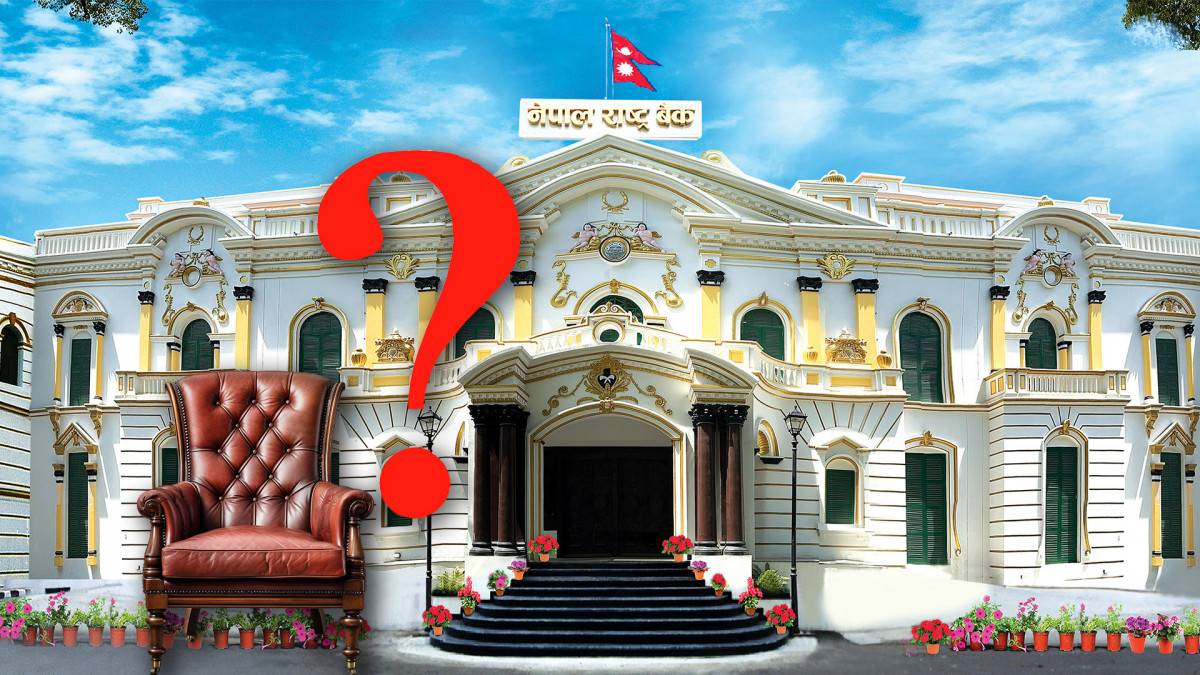
Kathmandu. Nearly a month after both Deputy Governor positions at Nepal Rastra Bank (NRB) fell vacant, the government has yet to initiate a formal appointment process, raising concerns over institutional continuity and decision-making efficiency within the country’s central bank. The two posts became vacant on Falgun 24 following the completion of their tenure, but the transition period marked by political change has left the positions unfilled.
The delay initially appeared procedural, as the previous government refrained from making key appointments after the parliamentary elections. However, even after the formation of a new administration and the completion of multiple Cabinet meetings, no decision has been taken regarding these crucial roles. This inaction has led to growing scrutiny, particularly given the strategic importance of the Deputy Governors in monetary regulation and internal governance.
Under existing legal provisions, the Governor is required to recommend candidates from among senior NRB officials, submitting twice the number of names as there are vacancies. For the current two vacant positions, four names must be forwarded to the Cabinet for final selection. Although Governor Bishwanath Poudel is understood to be in the process of identifying suitable candidates, the absence of visible progress suggests that the process is either delayed internally or awaiting political prioritization.
The institutional impact of this vacancy is becoming increasingly evident. Several high-level committees chaired by Deputy Governors have been unable to function effectively, leading to delays in critical decisions. Internal administrative processes, including staff promotions and regulatory reviews, have also slowed down. While the central bank continues to operate under the Governor’s leadership, the absence of deputies has created a bottleneck in distributed decision-making.
Amid this backdrop, a recent meeting between Prime Minister Balen Shah and Governor Poudel has drawn attention, as it signals the beginning of formal coordination between the new government and the central bank. The meeting reportedly covered key areas such as banking sector stability, remittance inflows, external sector vulnerabilities, and broader macroeconomic challenges.
During the discussion, the Prime Minister emphasized the need for the central bank to act independently and decisively, particularly in addressing issues such as loan misuse and money laundering. This directive aligns with the government’s recent push to strengthen financial discipline and tighten oversight across the financial system. However, it also places additional operational pressure on NRB at a time when its leadership structure is incomplete.
Interestingly, the issue of Deputy Governor appointments was raised during the meeting, but it did not appear to receive immediate policy attention. This suggests that while the government is focused on broader economic and governance issues, institutional appointments may not yet be at the top of its agenda. Such prioritization, or lack thereof, could prolong the vacancy and its associated inefficiencies.
At the same time, discussions also extended to long-term economic initiatives, including large-scale infrastructure projects such as expressways and potential railway connectivity. These conversations indicate that the government is attempting to align monetary policy perspectives with broader development goals. The Governor reportedly highlighted the importance of financial planning and resource allocation in ensuring the feasibility of such ambitious projects.
A separate meeting between Finance Minister Swarnim Wagle and the Governor further reinforces the ongoing effort to build coordination between fiscal and monetary authorities. Topics such as budget formulation, revenue mobilization, and financial management were discussed, reflecting the need for a synchronized approach in managing the economy.
In analytical terms, the delay in appointing Deputy Governors reflects a gap between structural necessity and political urgency. While the central bank can continue functioning in the short term, prolonged vacancies risk weakening institutional responsiveness, especially in a period marked by financial tightening, regulatory scrutiny, and evolving macroeconomic pressures.
In conclusion, the situation at Nepal Rastra Bank highlights a broader governance challenge—balancing political transition with institutional continuity. While early signs of coordination between the government and the central bank are visible, timely appointments will be critical to restoring full operational capacity. Until then, the central bank is likely to function in a constrained mode, navigating both internal limitations and external economic demands.
Advertisement
Written by
Dipesh Ghimire