SEBON
SEBON's Strategic Pivot: New Debenture Rules Poised to Break Bank Loan Monopoly
Ultimately, this regulatory overhaul represents a vital maturing of Nepal's financial architecture. If successfully implemented, it will not only foster the development of a much-needed corporate bond yield curve but also attract diverse institutional investments. As SEBON opens the floor for a seven-day public consultation on limits and ratios, the overarching message is clear: Nepal is ready to build a transparent, competitive, and investor-friendly debt market that can stand alongside its equity counterpart.
Dipesh Ghimire
2 min read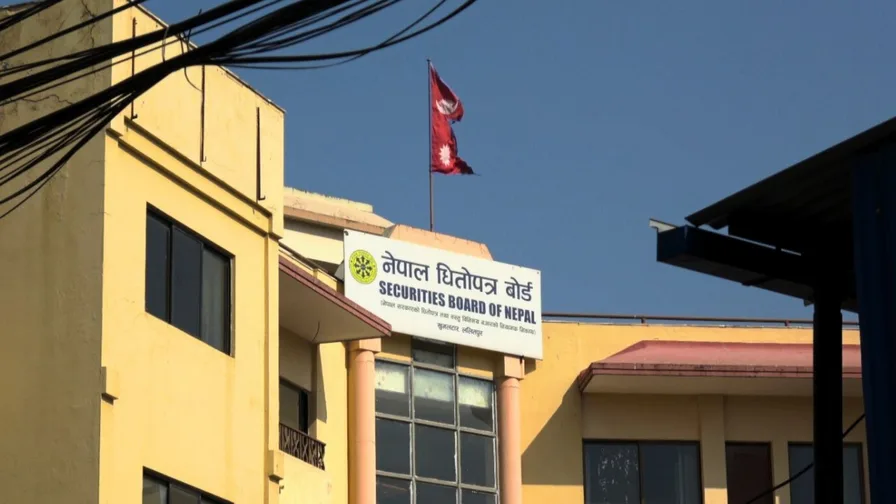
Kathmandu — In what could be a paradigm shift for Nepal’s financial landscape, the Securities Board of Nepal (SEBON) is moving to dismantle the corporate sector's traditional over-reliance on bank financing. By unveiling the draft "Debenture Registration and Issuance Regulation, 2026," the regulatory body is setting the stage for eligible non-banking corporate houses to independently raise long-term capital. This initiative signals a strategic transition from an equity-dominated capital market to a more mature, multi-product financial ecosystem, ultimately providing companies with the vital flexibility to manage their capital structures outside the constraints of traditional bank loans.
The framework, however, introduces stringent safeguards to prevent corporate over-leveraging and protect retail investors. Under the proposed guidelines, only companies boasting a minimum paid-up capital of Rs 1 billion, a flawless debt repayment history over the past year, and updated financial audits will be eligible to tap into the bond market. More crucially, SEBON has proposed a strict debt-to-equity ratio cap of 70:30. This specific provision acts as a critical risk-mitigation tool, ensuring that corporations do not drown in unsustainable debt. Furthermore, by mandating that ordinary companies can only issue secured debentures, the board is placing a premium on investor safety, leaving unsecured bonds as a privilege potentially reserved only for entities with exceptionally high credit ratings.
To accommodate different funding scales, the draft outlines two distinct issuance routes: public offerings and private placements. The private placement mechanism is highly targeted, capped at 50 qualified investors, with a steep entry barrier of a Rs 10 million minimum investment for individual natural persons. Regardless of the route chosen, SEBON is making the appointment of a Debenture Trustee mandatory. This trustee will act as an independent watchdog, heavily restricted from having any conflicts of interest with the issuing company, to actively monitor asset backing, ensure timely interest payments, and declare immediate defaults if terms are breached.
Beyond mere issuance, the draft lays the groundwork for a robust secondary market infrastructure. Acknowledging that liquidity is the lifeblood of any bond market, SEBON plans to facilitate dedicated trading platforms for publicly issued bonds and establish an Over-The-Counter (OTC) framework for privately placed debt. The regulation also introduces progressive financial instruments to the Nepali market, such as green and social development bonds. By allowing these institutional debentures to be used in repurchase agreements (repos), SEBON is transforming them from static long-term investments into dynamic tools for short-term liquidity management.
Ultimately, this regulatory overhaul represents a vital maturing of Nepal's financial architecture. If successfully implemented, it will not only foster the development of a much-needed corporate bond yield curve but also attract diverse institutional investments. As SEBON opens the floor for a seven-day public consultation on limits and ratios, the overarching message is clear: Nepal is ready to build a transparent, competitive, and investor-friendly debt market that can stand alongside its equity counterpart.
Advertisement
Written by
Dipesh Ghimire