Top
Six Months of an Economist as Finance Minister: Progress, Limits, and the Reality of Reform
Six Months of an Economist as Finance Minister: Progress, Limits, and the Reality of Reform Nepal witnessed a rare moment when an economist led the Ministry of Finance for about six months, a period that provided insight into what can realistically be achieved in a short tenure. Former finance minister Rameshwor Khanal reflected on his time in office, explaining that while fundamental reforms in the economy require years of sustained policy work, a limited term can still lay the groundwork for long-term change. According to Khanal, a six-month period is not sufficient to complete structural reforms or implement large-scale economic transformations. However, such a timeframe can be used effectively to initiate policy discussions, identify areas requiring reform, and begin administrative improvements. He emphasized that building consensus on major economic policies—especially those involving legal amendments and stakeholder consultations—takes significant time and coordination. Similarly, matters involving international partnerships and foreign investment negotiations cannot be concluded quickly.
Dipesh Ghimire
3 min read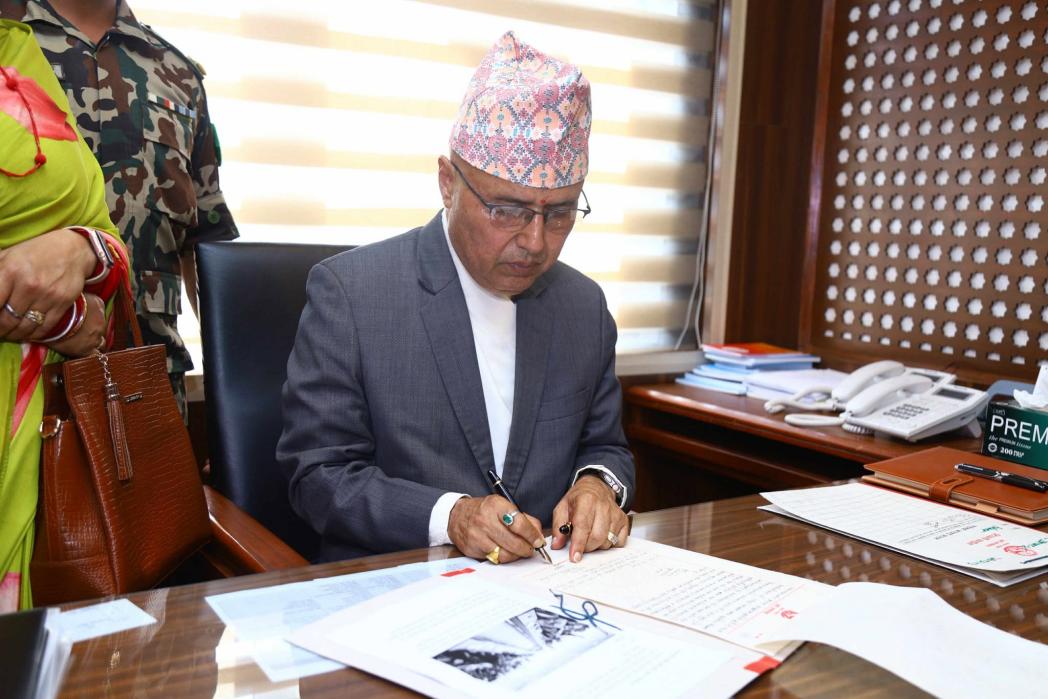
Nepal witnessed a rare moment when an economist led the Ministry of Finance for about six months, a period that provided insight into what can realistically be achieved in a short tenure. Former finance minister Rameshwor Khanal reflected on his time in office, explaining that while fundamental reforms in the economy require years of sustained policy work, a limited term can still lay the groundwork for long-term change.
According to Khanal, a six-month period is not sufficient to complete structural reforms or implement large-scale economic transformations. However, such a timeframe can be used effectively to initiate policy discussions, identify areas requiring reform, and begin administrative improvements. He emphasized that building consensus on major economic policies—especially those involving legal amendments and stakeholder consultations—takes significant time and coordination. Similarly, matters involving international partnerships and foreign investment negotiations cannot be concluded quickly.
Instead, Khanal noted that short-term progress largely comes from completing reforms that had already been prepared but remained unfinished due to administrative or political delays. In this context, his focus was primarily on advancing internal administrative reforms and resolving issues that were already in the pipeline. Large infrastructure initiatives, such as establishing a fertilizer factory or extracting natural gas in Dailekh, require extensive planning, financing arrangements, environmental assessments, and international cooperation. Such projects typically take several years before construction or production begins.
During his tenure, Khanal said the government had to prioritize three key national tasks entrusted by the leadership and youth movements at the time: conducting parliamentary elections, strengthening anti-corruption efforts, and improving governance. These objectives required immediate administrative focus. Much of the government's attention went toward ensuring that elections could be conducted smoothly, including managing resources and deploying personnel effectively.
Alongside these responsibilities, the government also attempted to stabilize the economy, particularly by restoring confidence in the private sector. Business activities had been disrupted due to political unrest and natural disasters, including floods that affected economic operations for several weeks. According to Khanal, these challenges significantly slowed economic activity, making it necessary for the government to support businesses and help them return to normal operations.
Despite these obstacles, early economic indicators suggested some resilience in the economy. Khanal pointed out that Nepal recorded an estimated economic growth rate of around 3.2 percent in the first quarter of the fiscal year. This figure was considered encouraging, especially given that economic activities were heavily disrupted for nearly a month due to conflict and natural disasters.
To improve the business environment and public services, the ministry focused on administrative reforms in frontline government offices. Several services that previously required in-person visits were digitized. For instance, taxpayers were allowed to obtain tax clearance certificates online, reducing bureaucratic delays and simplifying processes for businesses. Administrative improvements were also introduced at customs offices and tax administration centers, with the aim of making government services more efficient and transparent.
Khanal acknowledged that many critical economic projects cannot be completed quickly. Major hydropower projects, industrial investments, and resource extraction initiatives require lengthy preparation periods. He cited the example of Arun III hydropower project, which took several years for environmental assessments, financial arrangements, and approvals before actual construction could begin. Similar timelines apply to industrial projects like fertilizer factories or natural gas extraction.
When asked whether Nepal’s economy could undergo a complete transformation within a five-year political cycle, Khanal expressed skepticism. While certain reforms can be achieved within five years, he argued that expecting a full economic transformation within that timeframe is unrealistic. Large infrastructure investments, foreign financing arrangements, and regulatory approvals typically require long planning periods before yielding tangible results. Without a strong institutional foundation, ambitious promises of rapid economic transformation remain difficult to achieve.
Khanal also addressed controversies that emerged during his tenure, particularly allegations related to tax disputes. He dismissed claims that the finance minister had the authority to grant tax exemptions unilaterally, stating that such powers are defined strictly within Nepal’s Income Tax Act. According to him, misunderstandings arose partly because legal provisions were not properly interpreted. He suggested that anyone examining the issue should first study the relevant clauses of the Income Tax Act and Nepal’s tax treaty agreements with other countries before drawing conclusions.
In his view, public discourse often suffers from misinformation, with rumors spreading faster than verified facts. He emphasized the importance of understanding legal frameworks and policy processes before making accusations or forming opinions about complex fiscal matters.
Overall, Khanal’s reflections highlight a key lesson about governance and economic reform in Nepal: meaningful change takes time. While a six-month tenure may not be enough to transform the economy, it can help initiate reforms, restore confidence, and create a policy foundation for future progress.
Advertisement
Written by
Dipesh Ghimire