Department of Commerce
Small Fines, Big Signal: What the Department's Latest Market Sweep Reveals
Ultimately, this sweep is best understood not as a one-off crackdown but as a snapshot of routine enforcement. The department frames these as regular inspections carried out under the Consumer Protection Act, 2075, and its accompanying 2076 regulations — a continuous, low-intensity presence rather than a dramatic intervention. The real test of such a model is whether steady, repeated checks gradually raise the baseline of compliance across the market, or whether businesses simply absorb the occasional small fine as a minor cost of doing business. On the evidence of this round, where warnings vastly outnumbered penalties, that question remains open.
Dipesh Ghimire
3 min read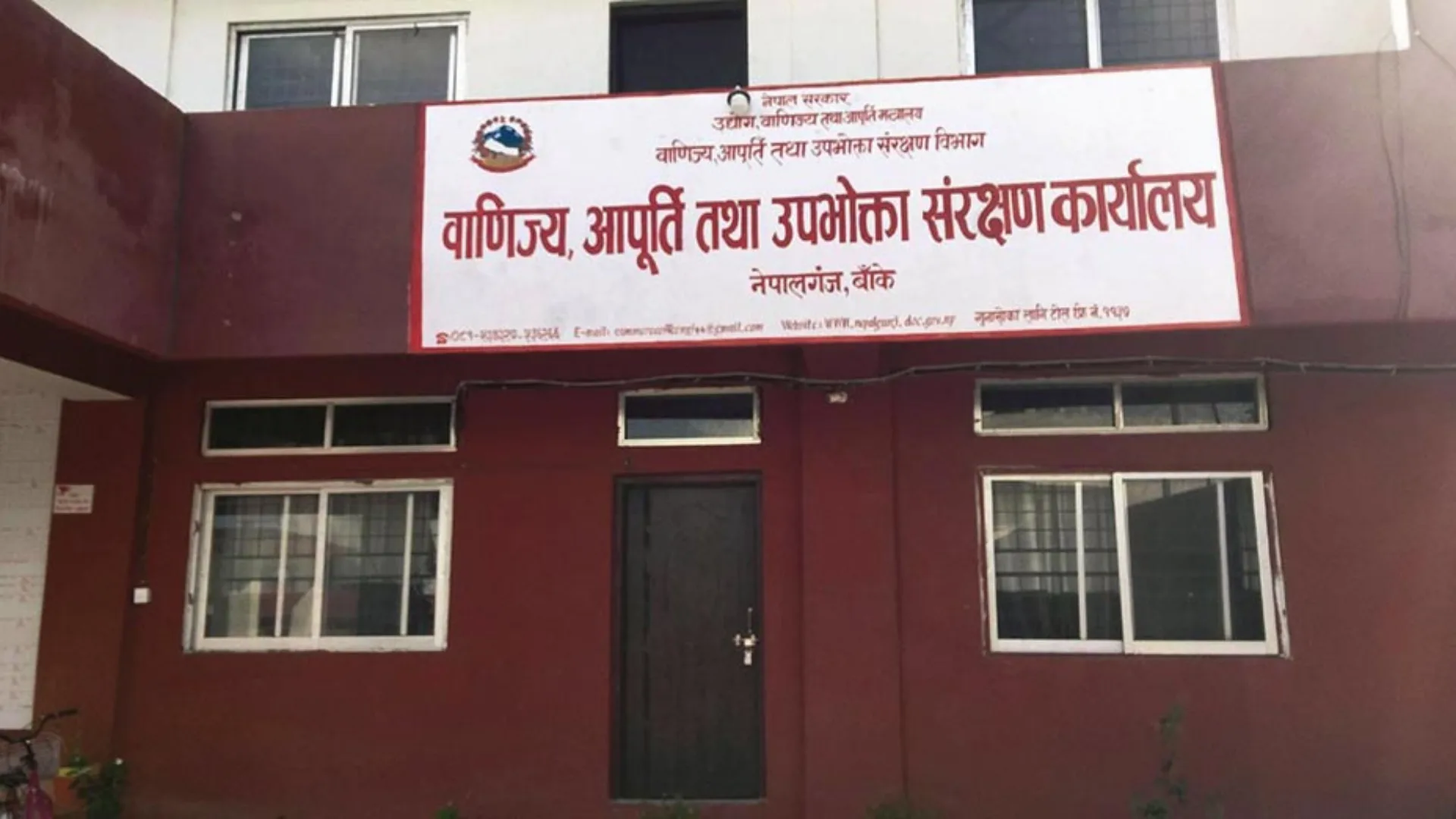
Kathmandu — On the surface, the latest enforcement action by the Department of Commerce, Supplies and Consumer Protection looks modest — two firms fined a combined Rs 25,000 after a round of on-site inspections. But the details of the sweep say more about the state of everyday market compliance in Kathmandu than the small penalty figures suggest.
The numbers themselves are worth pausing on. Of the 12 firms inspected, only two were fined outright while the other 10 were let off with corrective directives. In other words, more than 80 percent of the businesses checked were found to have shortcomings serious enough to warrant a formal warning, even if they escaped a penalty. Read that way, the operation points less to a market that is broadly compliant and more to one where minor violations are widespread, and where regulators are choosing to correct rather than punish in most cases.
The largest fine — Rs 20,000 against Kisu Chamena Griha — is instructive because of the specific offence involved. The firm was penalised under Section 38(d) of the Consumer Protection Act, 2075, for failing to keep purchase bills and invoices as required by Section 15. This is not a food-safety or pricing violation but a documentation failure, and that distinction matters. Missing purchase records are precisely how businesses obscure their supply chains, evade tax, and make it impossible to trace where goods came from. By treating the absence of bills as a punishable offence in its own right, the department is signalling that paperwork is not a formality but a frontline tool of consumer protection.
The second penalty, Rs 5,000 against Kalmera Attire Pvt Ltd in Jadibuti, is smaller and reflects the graduated way such enforcement typically works — the size of the fine tracking the nature and severity of the lapse rather than a flat rate. Taken together, the two fines illustrate a system that scales its response, reserving heavier penalties for firms whose failures strike closer to the core of accountability.
What the corrective directives to the remaining 10 firms reveal is a deliberate regulatory philosophy. Rather than maximising fines, the department appears to be using inspections as a compliance-building exercise — flagging problems, issuing instructions, and giving businesses the chance to fix them before escalating to penalties. This approach can be effective in a market where many operators are small and where outright punishment might be seen as heavy-handed, but its success depends entirely on follow-up. A corrective directive only works if the department returns to verify that the correction was actually made.
The stated goals behind the drive — maintaining fairness in the market, curbing the trade of unfit goods, and ensuring the issuance of bills and invoices — point to the recurring pain points of Nepal's retail sector. The emphasis on billing in particular connects consumer protection to the wider problems of informality and under-taxation: when transactions go undocumented, consumers lose the ability to seek redress and the state loses revenue at the same time.
Ultimately, this sweep is best understood not as a one-off crackdown but as a snapshot of routine enforcement. The department frames these as regular inspections carried out under the Consumer Protection Act, 2075, and its accompanying 2076 regulations — a continuous, low-intensity presence rather than a dramatic intervention. The real test of such a model is whether steady, repeated checks gradually raise the baseline of compliance across the market, or whether businesses simply absorb the occasional small fine as a minor cost of doing business. On the evidence of this round, where warnings vastly outnumbered penalties, that question remains open.
Advertisement
Written by
Dipesh Ghimire