Top
Tourism: A Cornerstone of Nepal’s Economy
Tourism: A Cornerstone of Nepal’s Economy Tourism is considered the backbone of Nepal’s economy. With the country being home to eight of the world's 14 peaks that rise over 8,000 meters, including the iconic Mount Everest, it has become a leading destination for mountaineers and adventure seekers. Nepal is internationally recognized as the country of the world's highest peak, Mount Everest, and these towering mountains form the foundation of Nepal's thriving tourism industry. The dramatic landscapes of the Himalayas have made the country a top choice for tourists interested in mountain tourism.
Dipesh Ghimire
3 min read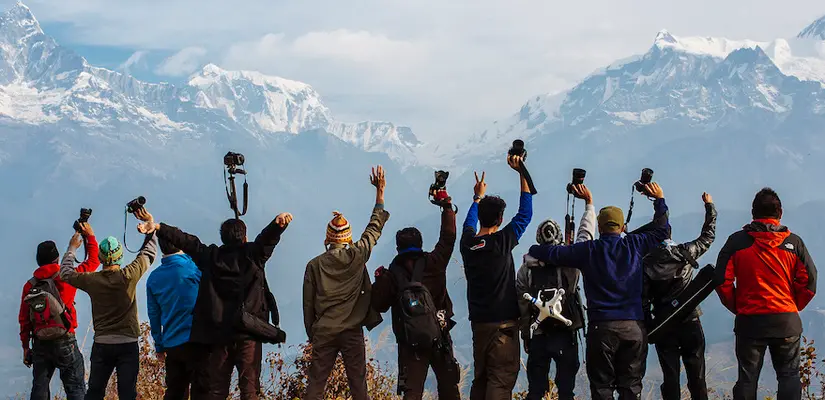
Tourism is considered the backbone of Nepal’s economy. With the country being home to eight of the world's 14 peaks that rise over 8,000 meters, including the iconic Mount Everest, it has become a leading destination for mountaineers and adventure seekers. Nepal is internationally recognized as the country of the world's highest peak, Mount Everest, and these towering mountains form the foundation of Nepal's thriving tourism industry. The dramatic landscapes of the Himalayas have made the country a top choice for tourists interested in mountain tourism.
Every year, thousands of foreign tourists come to Nepal, not just for trekking or hiking, but to experience the splendor of the Himalayan range. Whether for sightseeing or mountaineering, foreign tourists contribute significantly to Nepal’s foreign exchange earnings. Nepal’s tourism economy heavily relies on mountaineering expeditions, with adventurers spending substantial amounts to visit the country.
Mount Everest alone attracts more than 300 climbers annually, including both Nepali and foreign nationals. Additionally, a significant number of climbers attempt to summit other high-altitude peaks in Nepal. Currently, over 300 mountains are open for climbing in the country, and efforts to open new mountains for tourism are ongoing to cater to the growing demand. Nepal sees more than 3,000 mountaineers every year, contributing nearly one billion Nepalese Rupees in royalties from these expeditions alone.
In recent years, the interest in ‘virgin’ or newly discovered mountains has seen a noticeable increase. New peaks are particularly appealing because climbers need to establish new routes, adding an extra layer of adventure to their expeditions. The thrill of scaling a mountain with a unique route is fueling this growing interest in lesser-known peaks. As such, Nepal's Himalayas continue to serve not only as a haven for experienced mountaineers but also as an emerging destination for those seeking new challenges.
However, mountaineering is just one facet of Nepal's potential as a tourist destination. The entire country has the opportunity to be developed into a diverse range of tourist hotspots, from cultural heritage sites to serene natural landscapes. This holistic approach could extend tourists' stays in the country and significantly boost revenue. Currently, the average stay for tourists is around 13 days. By diversifying the experiences available to tourists, it is possible to increase this stay and enhance the country's economic contributions from tourism.
To extend tourist visits, it is crucial to expand the range of activities available. Many tourists currently visit Nepal with a single purpose in mind—mountain climbing, religious pilgrimages, or trekking—and once their goal is achieved, they return. However, if tourists could be introduced to additional attractions, such as boat rides, visits to places like Lumbini for cultural experiences, or city tours in Kathmandu, the length of their stay could be extended. The key to achieving this lies in understanding the interests of the tourists. By conducting surveys and collaborating with the private sector, Nepal can tailor its offerings to cater to the specific needs and desires of different tourist groups.
For example, tourists coming for mountain climbing could be offered additional packages that include visits to cultural or historical sites such as Pashupatinath, or those traveling for spiritual reasons could be encouraged to visit Pokhara. The idea is to create tailored itineraries that provide tourists with a well-rounded experience of Nepal, beyond their primary purpose of visiting. Such an approach would naturally increase the spending of tourists, thus boosting the overall tourism economy.
In conclusion, Nepal's tourism industry has immense potential to grow beyond its current focus on mountaineering. By promoting diverse activities and attracting tourists with varied interests, the country can significantly extend tourists' stays, increase spending, and ultimately create a more robust tourism economy. The collaboration between the government, private sector, and local communities will be vital in developing and promoting alternative tourism experiences, ensuring that Nepal becomes not just a destination for mountaineers, but a year-round, multi-faceted tourism hub.
Advertisement
Written by
Dipesh Ghimire