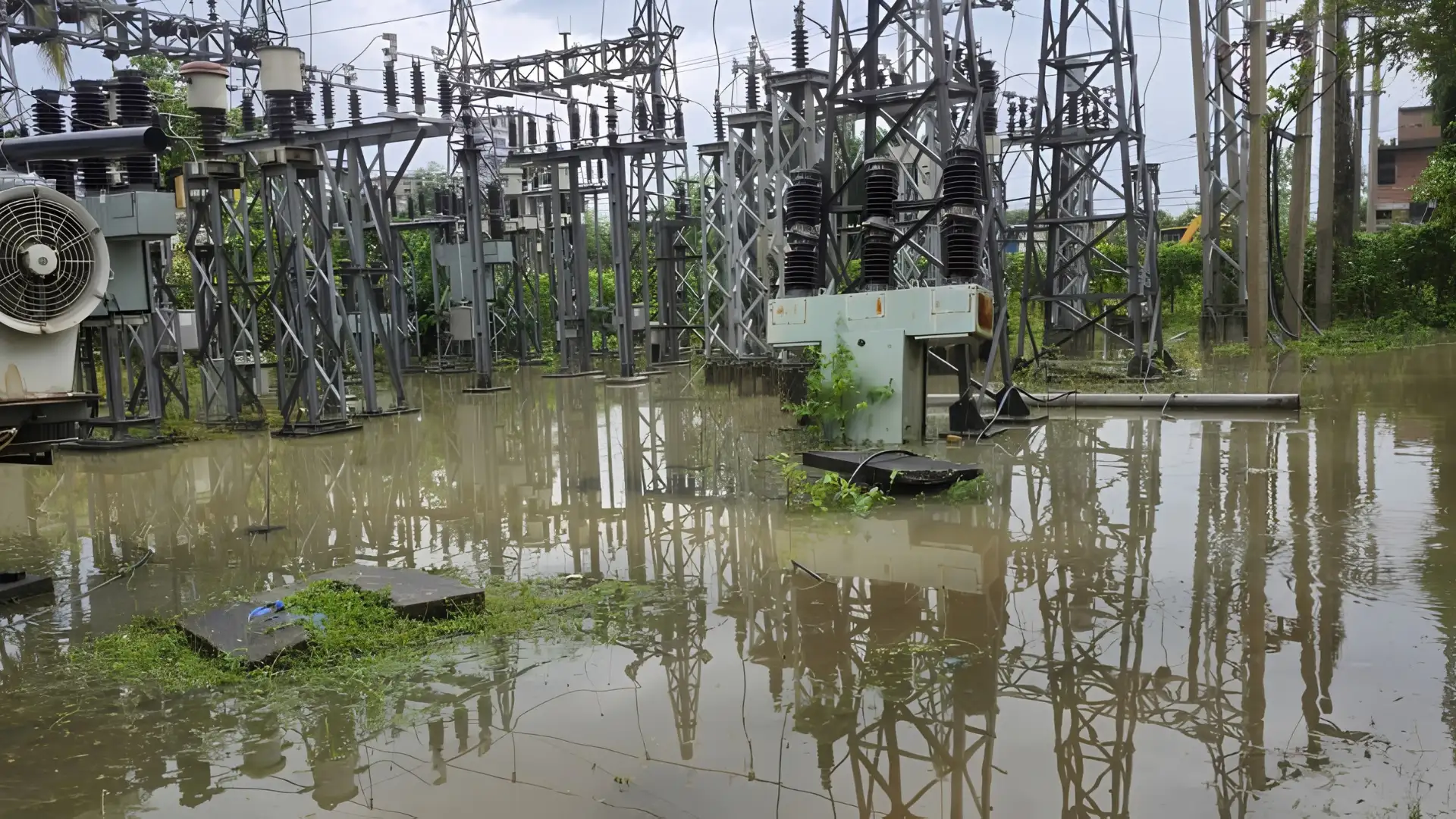
भोटेकोशी नदीमा आएको विनाशकारी बाढीले जलविद्युत् आयोजनाहरुमा क्षति पुर्याउँदा राष्ट्रिय प्रसारण लाइनबाट ४३० मेगावाट बिजुली विच्छेद भएको छ । यसबाट काठमाडौं उपत्यकाको विद्युत् आपूर्तिमा पर्न सक्ने असर र आगामी हिउँदको बढ्दो मागलाई मध्यनजर गर्दै सरकारले वैकल्पिक आपूर्तिको सघन तयारी थालेको छ ।
ऊर्जा, जलस्रोत तथा सिँचाइ मन्त्रालय र नेपाल विद्युत् प्राधिकरणका अनुसार, बाढीका कारण त्रिशूली करिडोर हुँदै बालाजु र चपली क्षेत्रमा आउने लाइन अवरुद्ध बनेको छ । यसले गर्दा उपत्यकाको विद्यमान प्रसारण प्रणालीमा उच्च चाप परेको छ । हिउँदमा बिजुलीको खपत अत्यधिक हुने भएकाले त्यसअघि नै वितरण प्रणालीलाई भरपर्दो बनाउन प्राधिकरणले छुट्टै कार्यदल नै गठन गरेर काम अघि बढाएको छ ।
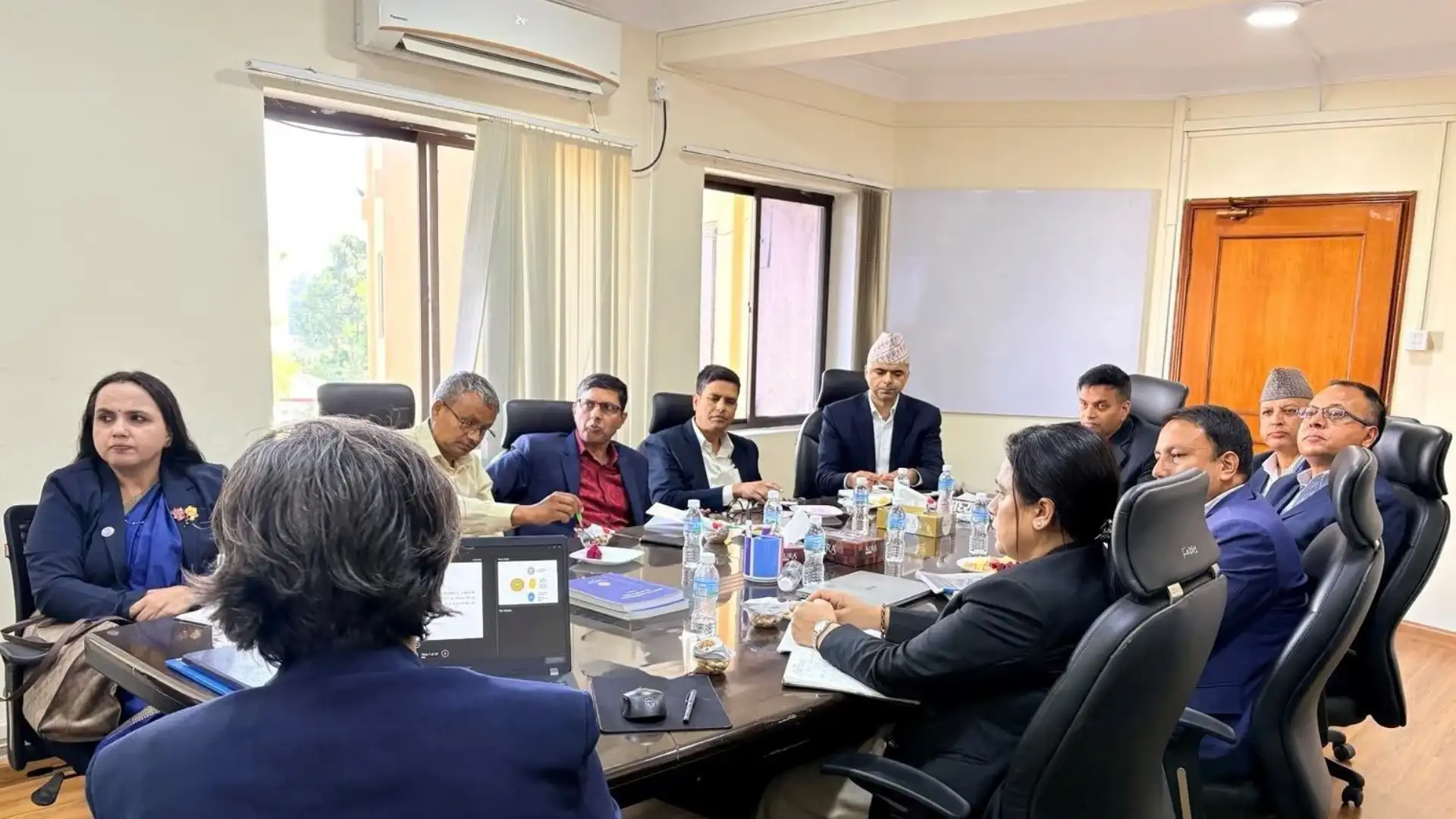
संकट व्यवस्थापनका लागि प्राधिकरणले उपत्यकाभित्र 'भूमिगत विद्युत् ग्रिड' विस्तारलाई मुख्य विकल्प मानेको छ । नयाँ भूमिगत ग्रिड निर्माण र तार व्यवस्थापनका लागि सडक विभाग तथा काठमाडौं महानगरपालिकासँग सहकार्य भइरहेको छ । मन्त्रालयका प्रवक्ता मोहनकुमार शाक्य र प्राधिकरणका अधिकारीहरूका अनुसार सडक र फुटपाथमा पूर्वाधार निर्माण गर्दा आपसी समन्वय गरेरै अघि बढ्ने समझदारी जुटिसकेको छ ।
एकैपटक यति ठूलो परिमाणमा बिजुली प्रणालीबाट बाहिरिएपछि तत्कालीन मर्मतसम्भारसँगै वितरण संरचनालाई पनि बलियो बनाउनुपर्ने चुनौती सरकारसामु छ । यही अवस्थालाई ध्यानमा राख्दै ऊर्जा मन्त्रालय, प्राधिकरण, सडक विभाग र स्थानीय तहबीचको उच्चस्तरीय समन्वयलाई प्राथमिकतामा राखेर काम भइरहेको छ ।
The devastating floods in the Bhotekoshi River have severely damaged key hydropower projects, stripping approximately 430 megawatts (MW) of electricity from Nepal's national grid. Anticipating a potential power crisis in the Kathmandu Valley, the government has urgently accelerated preparations for an alternative energy supply system ahead of the winter season.
The flood-induced disruption along the Trishuli corridor has already cut off power to Kathmandu’s Balaju and Chapali substations, putting immense strain on the existing transmission network. With electricity demand expected to peak during the cold, dry months, the Ministry of Energy, Water Resources and Irrigation, alongside the Nepal Electricity Authority (NEA), has formed a dedicated task force to fortify alternative supply routes before winter sets in.
To ensure long-term grid reliability, authorities are heavily prioritizing the expansion of underground electricity networks across the valley. The NEA has initiated high-level coordination with the Department of Roads and the Kathmandu Metropolitan City to prevent infrastructure clashes. Recent discussions have resulted in a consensus to systematically integrate underground power cables into ongoing road and footpath construction projects.
With a massive volume of power generation suddenly offline, the government's focus has shifted beyond immediate repairs. By upgrading the reliability of existing transmission lines, creating alternative supply routes, and expanding the underground grid, multiple state agencies are now working in tandem to secure Kathmandu’s energy needs and prevent winter outages.