अर्थमन्त्री वाग्लेको आरोप : १५–१६ अर्ब दुरुपयोग गरेर बजार कब्जा गरियो‘Billions Were Misused to Control the Market’: Finance Minister Wagle Signals Major Capital Market Reforms
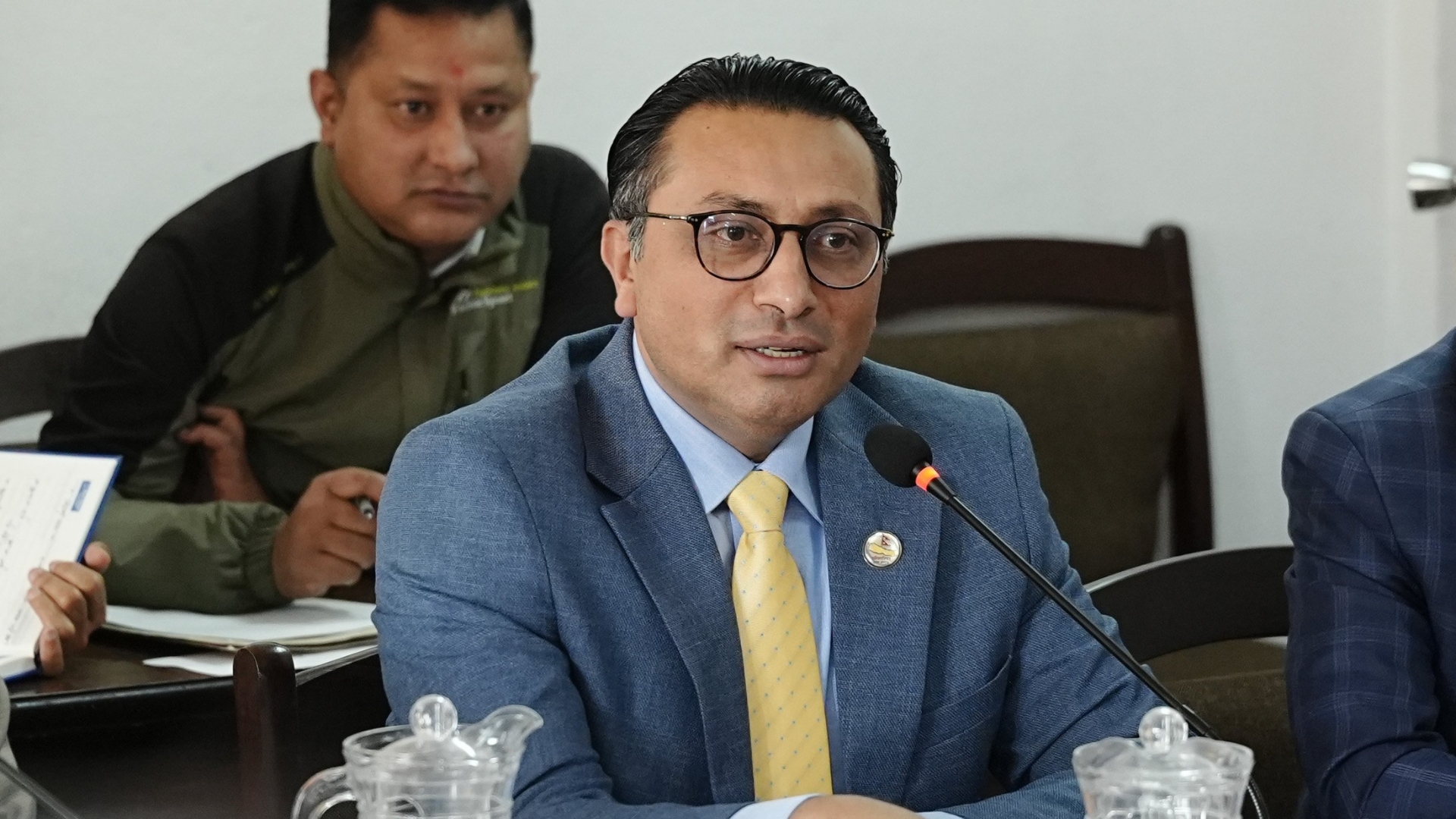
Swarnim Wagle ले नेपालको पुँजी बजार केही सीमित समूहको प्रभावमा पुगेको स्वीकार गर्दै विगत केही वर्षमा बजार हेरफेर, इन्साइडर ट्रेडिङ र जनताको अर्बौं रुपैयाँ दुरुपयोग गरेर आर्थिक तथा राजनीतिक संस्थामाथि समेत प्रभाव जमाउने प्रयास भएको बताएका छन् । मंगलवार प्रतिनिधिसभाअन्तर्गतको अर्थ समिति बैठकमा बोल्दै उनले पुँजी बजारलाई अब विश्वस्तरीय, पारदर्शी र व्यावसायिक ढाँचामा पुनःसंरचना गरिने संकेत दिएका हुन् ।
अर्थमन्त्री वाग्लेले स्टक मार्केटसँग सम्बन्धित संस्थाहरूमा सीमित व्यक्तिको प्रभाव बढ्दै गएको कटु यथार्थ स्वीकार गर्नुपर्ने अवस्था आएको उल्लेख गरे । उनका अनुसार केही समूहले कृत्रिम कारोबार, बजार चलखेल र इन्साइडर ट्रेडिङमार्फत अकुत सम्पत्ति आर्जन गर्दै आर्थिक मात्र होइन, राजनीतिक संरचनामाथि समेत प्रभाव विस्तार गर्न खोजेका थिए । उनले केही प्रभावशाली नेताहरूलाई समेत आर्थिक शक्तिको माध्यमबाट नियन्त्रणमा राख्ने प्रयास भएको टिप्पणी गरे ।
उनले बजारमा भएको विकृतिबारे बोल्दै जनताको १५ देखि १६ अर्ब रुपैयाँसम्म दुरुपयोग भएको दाबी गरे । यस्तो गतिविधिले नेपालको वित्तीय प्रणाली र पुँजी बजारमाथिको विश्वास कमजोर बनाएको उनको भनाइ थियो । अर्थमन्त्रीका अनुसार अहिले सरकारले सुशासनलाई केन्द्रमा राख्दै यस्ता गतिविधिमाथि नियन्त्रण गर्ने दिशामा काम गरिरहेको छ ।
अर्थमन्त्री वाग्लेले Nepal Stock Exchange को पुनःसंरचनाका लागि गठन गरिएको समितिको प्रतिवेदन कार्यान्वयन गरिने जानकारी पनि दिए । सरकारले पुँजी बजारलाई केवल सट्टेबाजीको माध्यम नभई दीर्घकालीन लगानी र आर्थिक विकाससँग जोडिएको संस्थागत प्रणालीका रूपमा विकास गर्न खोजेको उनको भनाइ थियो । राष्ट्रपतिमार्फत सार्वजनिक नीति तथा कार्यक्रममा समेत पूँजी बजारप्रति उदार नीति घोषणा भइसकेकाले आगामी बजेटमार्फत त्यसलाई थप स्पष्ट र प्रभावकारी बनाइने उनले संकेत गरे ।
उनले पुँजी बजार सुधारलाई सरकारको प्राथमिकतामा राखिएको उल्लेख गर्दै बजारलाई ‘प्रोफेसनलाइज’ गरेर अन्तरराष्ट्रिय मापदण्डअनुसार अघि बढाइने बताए । विश्लेषकहरूका अनुसार पछिल्लो समय सरकारले संस्थागत लगानी विस्तार, मार्जिन कारोबार, स्टक एक्सचेन्ज पुनःसंरचना तथा नियामकीय सुधारका विषय उठाउन थालेपछि बजारमा नीतिगत सुधारको आशा बढ्दै गएको छ ।
अर्थमन्त्री वाग्लेले आफ्नो अभिव्यक्तिमा ‘जेनजी आन्दोलन’ लाई पनि विशेष रूपमा उल्लेख गरे । उनले उक्त आन्दोलनलाई देशलाई गलत दिशातर्फ जानबाट जोगाउने हस्तक्षेपको रूपमा चित्रण गर्दै त्यसप्रति धन्यवाद दिनुपर्ने अवस्था रहेको बताए । उनका अनुसार यदि त्यस्तो हस्तक्षेप नभएको भए मुलुक अझ गम्भीर संस्थागत संकटतर्फ धकेलिन सक्ने अवस्था थियो ।
उनले अहिले सरकार सुशासनलाई सबैभन्दा ठूलो प्राथमिकताका साथ अघि बढाइरहेको दाबी गरे । प्रधानमन्त्रीको भनाइ उद्धृत गर्दै उनले पहिलो वर्ष विकास निर्माणभन्दा पनि सुशासनको आधार निर्माणमा केन्द्रित हुने र त्यसपछि मात्रै आर्थिक तथा पूर्वाधार विकासका कामलाई तीव्र बनाइने धारणा व्यक्त गरे । “पहिलो वर्ष सुशासन, त्यसपछि विकास” भन्ने रणनीतिमा सरकार अघि बढिरहेको उनको भनाइ थियो ।
अर्थमन्त्रीको अभिव्यक्तिलाई धेरैले पछिल्लो समय नेपालको पुँजी बजारमा देखिएको संरचनागत समस्यामाथिको खुला स्वीकारोक्तिका रूपमा हेरेका छन् । बजारमा लामो समयदेखि सीमित समूहको प्रभाव, चलखेल, सूचना असमानता र नियामकीय कमजोरीबारे प्रश्न उठ्दै आएका थिए । पछिल्ला वर्षहरूमा सेयर बजारको अस्वाभाविक उतारचढाव, बैंकिङ तथा वित्तीय संस्थासँग जोडिएका विवाद र नियामक निकायमाथिको अविश्वासले पनि सुधारको मागलाई तीव्र बनाएको थियो ।
विश्लेषकहरूका अनुसार यदि सरकारले वास्तवमै नियामकीय सुधार, पारदर्शिता र संस्थागत पुनःसंरचनालाई प्रभावकारी रूपमा कार्यान्वयन गर्न सफल भयो भने त्यसले नेपालको पुँजी बजारलाई दीर्घकालीन रूपमा सकारात्मक दिशातर्फ लैजान सक्छ । तर सुधारको घोषणा मात्र पर्याप्त नहुने भन्दै कार्यान्वयन पक्ष नै सबैभन्दा ठूलो परीक्षा हुने उनीहरूको भनाइ छ ।

Swarnim Wagle has accused a small group of individuals of manipulating Nepal’s capital market through insider trading, artificial market activities and misuse of billions of rupees belonging to the public, claiming that such groups had even attempted to influence political and economic institutions. Speaking at a meeting of the parliamentary Finance Committee on Tuesday, the finance minister said the government is now preparing to restructure and professionalize the country’s capital market under international standards.
During the meeting, Finance Minister Wagle acknowledged that Nepal’s financial and capital market institutions had gradually fallen under the influence of a limited group of individuals over the past several years. According to him, certain actors accumulated massive wealth through market manipulation and insider trading while simultaneously expanding their influence over political leadership and state institutions.
The minister alleged that public funds worth nearly Rs. 15 to 16 billion had been misused through such activities. He said these practices weakened public trust in Nepal’s financial system and damaged the credibility of the capital market. Wagle stressed that the government is now prioritizing governance reforms in an effort to restore transparency and institutional accountability.
Referring to the restructuring of the Nepal Stock Exchange, the finance minister said the government would implement recommendations provided by a committee formed to reform the stock exchange structure. He added that the government no longer wants the capital market to function merely as a speculative trading platform, but rather as a professional and institutionally driven system capable of supporting long-term investment and economic growth.
Wagle also noted that the government had already introduced liberal policy commitments toward the capital market through the policy and program announced by the President. According to him, the upcoming national budget will further define and expand those reform measures. Analysts believe these remarks indicate that the government is preparing broader reforms related to institutional investment, market regulation, margin trading systems and stock exchange restructuring.
The finance minister emphasized that Nepal’s capital market must now move toward international standards of professionalism, transparency and regulatory credibility. Market analysts say such statements have increased investor expectations that the government may finally address long-standing structural weaknesses within the country’s financial system.
In his remarks, Wagle also referred to the so-called “Gen Z movement,” describing it as an important intervention that prevented the country from moving in the wrong direction institutionally. He argued that without such public pressure and intervention, Nepal could have fallen into a deeper governance and institutional crisis.
According to the minister, the current government has placed governance reform at the center of its economic agenda. Quoting the Prime Minister, he said the government’s first priority is to establish a strong foundation of good governance before aggressively pursuing development and infrastructure expansion. “The first year is for governance; development will follow afterward,” he said while explaining the government’s broader policy direction.
Many observers interpret Wagle’s statement as one of the strongest public acknowledgments yet from the government regarding structural distortions within Nepal’s capital market. Concerns over insider trading, operator-driven manipulation, weak regulatory oversight and unequal access to market-sensitive information have persisted in Nepal’s stock market for years. The finance minister’s comments appear to signal that the government now sees reform of the financial system not only as an economic necessity but also as a governance issue.
Analysts say the success of these reform commitments, however, will depend largely on implementation rather than political rhetoric alone. While the government’s willingness to openly discuss market manipulation and institutional capture has been viewed positively by many investors, questions remain about whether authorities will be able to enforce meaningful regulatory reforms against powerful interest groups that have historically dominated parts of Nepal’s financial sector.