बजेटअघि बढ्यो अपेक्षाExpectations Rise Ahead of Nepal’s New Budget
सुस्त अर्थतन्त्र चलायमान बनाउने दबाबमा सरकार
निजी क्षेत्र, युवा र बजार सबैको नजर आगामी बजेटमा
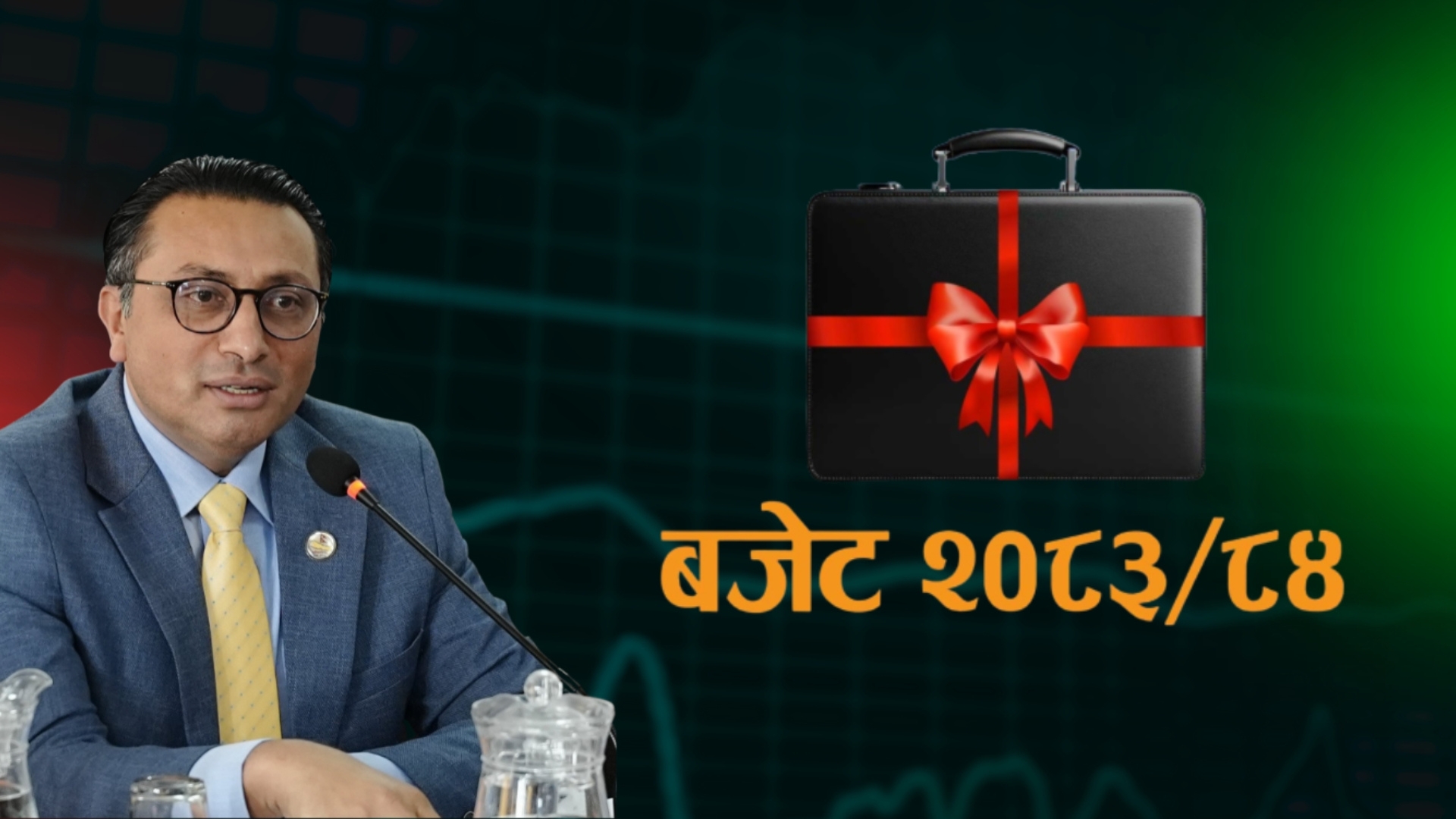
आगामी आर्थिक वर्ष २०८३/८४ को बजेट नजिकिँदै जाँदा सरकारमाथि आर्थिक गतिविधि चलायमान बनाउने दबाब बढ्दै गएको छ । पछिल्ला केही वर्षदेखि सुस्त बन्दै गएको अर्थतन्त्र, निजी क्षेत्रको घट्दो मनोबल र तीव्र रूपमा बढिरहेको युवाको विदेश पलायनका बीच आउने बजेटलाई धेरैले निर्णायक अवसरका रूपमा हेर्न थालेका छन् । विशेषगरी अर्थमन्त्री डा. स्वर्णिम वाग्लेले सार्वजनिक रूपमा “नयाँ सोचसहितको बजेट” ल्याउने संकेत दिएपछि निजी क्षेत्रदेखि सर्वसाधारणसम्मको चासो बढेको हो ।
अहिले मुलुकको अर्थतन्त्र पूर्ण रूपमा लयमा फर्किन सकेको छैन । बैंकिङ प्रणालीमा लगानीयोग्य रकम पर्याप्त भए पनि उद्योग–व्यवसाय विस्तारको गति कमजोर छ । बैंकहरूले कर्जा प्रवाह गर्न चाहँदा पनि व्यवसायीहरू नयाँ लगानी गर्न हिच्किचाइरहेका छन् । निर्माण क्षेत्र सुस्त छ, बजारमा माग कमजोर देखिएको छ र सरकारी विकास खर्चले समेत अपेक्षित गति लिन सकेको छैन । यस्तो अवस्थामा आगामी बजेटले अर्थतन्त्रमा आत्मविश्वास फर्काउन सक्ने कि नसक्ने भन्ने बहस अहिले तीव्र बनेको छ ।
अर्थ मन्त्रालय स्रोतहरूका अनुसार आगामी बजेटको आकार करिब १९ देखि २० खर्ब रुपैयाँको हाराहारीमा पुग्न सक्ने अनुमान गरिएको छ । तर अर्थविद्हरू भने अहिले बजेटको आकारभन्दा त्यसको प्रभावकारिता र कार्यान्वयनलाई बढी महत्वपूर्ण मानिरहेका छन् । विगतमा ठूलो आकारका बजेट आए पनि खर्च कार्यान्वयन कमजोर हुँदा अपेक्षित परिणाम आउन सकेको थिएन । विशेषगरी आर्थिक वर्षको अन्त्यतिर हतारमा खर्च गर्ने प्रवृत्ति, ढिलो आयोजना कार्यान्वयन र कमजोर अनुगमनले विकास खर्चको प्रभावकारितामाथि प्रश्न उठ्दै आएको छ ।
डा. स्वर्णिम वाग्ले अर्थशास्त्रको पृष्ठभूमि, अन्तर्राष्ट्रिय अनुभव र नीतिगत बहसका कारण फरक सोच भएका अर्थमन्त्रीका रूपमा हेरिन्छन् । त्यसैले आगामी बजेट परम्परागत वितरणमुखी शैलीभन्दा उत्पादन, लगानी र रोजगारी केन्द्रित हुनुपर्ने अपेक्षा गरिएको छ । निजी क्षेत्रले कर प्रणालीलाई सरल बनाउन, उद्योग सञ्चालन प्रक्रियालाई सहज बनाउन र लगानीमैत्री वातावरण निर्माण गर्न सरकारसँग माग गर्दै आएको छ । व्यवसायीहरूमा देखिएको निराशा हटाउन नसके अर्थतन्त्रले गति लिन कठिन हुने विश्लेषण पनि भइरहेको छ ।
विशेषगरी साना तथा मझौला उद्यम अहिले सबैभन्दा बढी दबाबमा देखिएका छन् । नेपालमा रोजगारी सिर्जना गर्ने प्रमुख आधार यही क्षेत्र भए पनि बजार अभाव, सञ्चालन लागत वृद्धि र कमजोर वित्तीय पहुँचका कारण धेरै उद्यम संकटमा छन् । त्यसैले सरकारले सहुलियतपूर्ण कर्जा, कर छुट, प्रविधिमा पहुँच र बजार व्यवस्थापनलाई प्राथमिकतामा राख्नुपर्ने माग बढ्दै गएको छ ।
कृषि क्षेत्रलाई पनि आगामी बजेटको मुख्य प्राथमिकतामध्ये एक बनाउनुपर्ने आवाज बलियो बन्दै गएको छ । कृषि प्रधान देश भनिए पनि कृषिमा युवाको आकर्षण घट्दो क्रममा छ । उत्पादन कमजोर हुँदा आयातमा निर्भरता बढेको छ र व्यापार घाटा झन् चुलिएको छ । त्यसैले कृषिलाई आधुनिक प्रविधिसँग जोड्ने, उत्पादनलाई उद्योगसँग जोड्ने तथा भण्डारण र बजार प्रणाली सुधार गर्ने नीति आवश्यक देखिएको छ । कृषिलाई केवल अनुदानको विषयभन्दा उद्यमशीलताको आधार बनाउने बहस पनि बढ्दै गएको छ ।
ऊर्जा क्षेत्रलाई सरकारले आर्थिक विकासको सम्भावित इन्जिनका रूपमा अघि सार्ने तयारी गरेको संकेत देखिएको छ । जलविद्युत उत्पादन बढ्दै गए पनि आन्तरिक खपत र औद्योगिक उपयोग अझै सीमित छ । उद्योग विस्तार सुस्त हुँदा उत्पादित विद्युतको पूर्ण उपयोग हुन सकेको छैन । त्यसैले आगामी बजेटमा विद्युतीय सवारी, ऊर्जा आधारित उद्योग तथा विद्युत निर्यात प्रवर्द्धनका कार्यक्रम आउन सक्ने अनुमान गरिएको छ ।
युवाको विदेश पलायन अहिले सरकारका लागि सबैभन्दा ठूलो सामाजिक–आर्थिक चुनौतीमध्ये एक बनेको छ । देशभित्र अवसर नदेखिँदा शिक्षित र दक्ष जनशक्ति समेत विदेशिन बाध्य भइरहेको अवस्था छ । त्यसैले स्टार्टअप, नवप्रवर्तन, सीप विकास र युवा उद्यमशीलतालाई बजेटले प्राथमिकता दिनुपर्ने माग व्यापक रूपमा उठिरहेको छ । अर्थविद्हरूले केवल रेमिट्यान्समा आधारित अर्थतन्त्र दीर्घकालीन रूपमा टिकाउ नहुने चेतावनी दिँदै आएका छन् ।
बैंकिङ क्षेत्र पनि आगामी बजेटप्रति आशावादी देखिएको छ । अहिले बैंकहरूमा तरलता पर्याप्त छ, ब्याजदर घट्दो क्रममा छ, तर उत्पादनमूलक क्षेत्रमा कर्जा विस्तार हुन सकेको छैन । बैंकिङ क्षेत्रको बुझाइमा उद्योग, कृषि र निर्यातमुखी क्षेत्रमा लगानी बढाउने स्पष्ट नीति नआएसम्म अर्थतन्त्र पूर्ण रूपमा चलायमान बन्न कठिन हुनेछ ।
डिजिटल अर्थतन्त्र विस्तारको विषय पनि आगामी बजेटको महत्वपूर्ण एजेन्डा बन्न सक्ने देखिएको छ । पछिल्ला वर्षहरूमा डिजिटल भुक्तानी, मोबाइल बैंकिङ र क्यूआर प्रणालीको प्रयोग उल्लेखनीय रूपमा बढेको छ । अब सरकारले डिजिटल कारोबारलाई थप सुरक्षित, भरपर्दो र ग्रामीण क्षेत्रसम्म पहुँचयोग्य बनाउने नीति ल्याउनुपर्ने आवश्यकता देखिएको छ ।
समग्रमा हेर्दा अहिले देशलाई केवल ठूलो आकारको बजेट होइन, भरोसा जगाउने बजेट आवश्यक परेको छ । निजी क्षेत्रलाई लगानीका लागि प्रेरित गर्ने, युवालाई देशभित्र अवसरको अनुभूति गराउने र उत्पादन तथा रोजगारी बढाउने स्पष्ट योजना ल्याउन सके मात्र अर्थतन्त्रले नयाँ गति लिन सक्छ । अन्यथा पुरानै शैलीको वितरणमुखी बजेट दोहोरिए अर्थतन्त्रमा अपेक्षित सुधार आउन अझै कठिन हुने देखिन्छ ।

Government Under Pressure to Revive Sluggish Economy
Private Sector, Youth and Investors Closely Watching Upcoming Fiscal Plan
As Nepal prepares to unveil its budget for the upcoming fiscal year 2026/27, pressure on the government to revive economic activity is steadily increasing. With the economy slowing over the past few years, private sector confidence weakening and youth migration accelerating, many are viewing the upcoming budget as a critical opportunity to restore momentum. Public interest has grown further after Finance Minister Swarnim Wagle repeatedly signaled that the government is preparing a “new-generation” and “hope-driven” budget aimed at breaking away from traditional approaches.
Nepal’s economy has yet to regain full momentum. Although banks are holding ample liquidity, investment activity from the private sector remains weak. Businesses appear hesitant to expand operations or take fresh loans despite declining interest rates. The construction sector remains sluggish, market demand has weakened and government capital expenditure has failed to achieve the expected pace. In this environment, the upcoming budget is increasingly being seen as a test of whether the government can restore confidence and stimulate economic activity.
According to sources within the Ministry of Finance, the size of the upcoming budget could range between Rs 1.9 trillion and Rs 2 trillion. However, economists argue that the effectiveness of the budget will matter far more than its size. Nepal has repeatedly introduced large budgets in previous years, but weak implementation, delayed projects and rushed spending toward the end of the fiscal year have prevented meaningful economic impact. This time, the government is facing growing pressure to improve spending efficiency and ensure stronger execution of development programs.
Finance Minister Wagle is widely viewed as a policymaker with a strong academic and international economic background. Because of this, expectations are high that the new budget will prioritize production, investment and employment generation rather than continuing the traditional distribution-oriented model. The private sector has been urging the government to simplify the tax system, ease business procedures and create a more investment-friendly environment. Analysts believe restoring business confidence will be crucial if the economy is to regain momentum.
Small and medium-sized enterprises are currently among the sectors facing the greatest pressure. Although SMEs remain one of the largest sources of employment in Nepal, many businesses are struggling due to rising operating costs, limited market access and weak financial support. Business groups have therefore been calling for concessional loans, tax incentives, technology access and stronger market management policies in the upcoming budget.
Agriculture is also expected to become a major priority area. Despite Nepal being traditionally described as an agriculture-based economy, youth participation in farming continues to decline. Weak domestic production and increasing dependence on imports have widened the country’s trade deficit. Economists and policymakers have stressed the need to modernize agriculture, connect production with industries and improve storage and distribution systems. There is also growing debate that agriculture should be promoted not merely through subsidies but through entrepreneurship-driven policies.
The energy sector is increasingly being viewed as a key pillar of Nepal’s future economic growth. Although hydropower production has expanded rapidly in recent years, domestic consumption and industrial utilization remain limited. Slow industrial expansion has prevented full use of the country’s growing electricity output. As a result, the government is expected to prioritize electric vehicles, energy-based industries and electricity exports in the upcoming budget.
Meanwhile, youth migration has emerged as one of Nepal’s most pressing socio-economic challenges. A growing number of educated and skilled young people are leaving the country due to limited opportunities at home. Calls are therefore growing louder for the government to prioritize startups, innovation, skill development and youth entrepreneurship. Economists have repeatedly warned that an economy heavily dependent on remittance inflows may not remain sustainable in the long run.
Nepal’s banking sector is also closely watching the upcoming budget. Banks currently have sufficient liquidity and interest rates have gradually declined, but lending to productive sectors remains weak. Financial institutions believe the economy cannot fully recover unless the government introduces clear policies encouraging investment in industries, agriculture and export-oriented businesses.
Digital economy expansion is expected to become another major focus area. The use of digital payments, QR transactions and mobile banking has grown rapidly across Nepal in recent years. Policymakers are now under pressure to strengthen digital infrastructure and ensure digital financial services become safer, more reliable and more accessible in rural areas.
Overall, analysts say Nepal currently needs more than just a large budget — it needs a budget capable of restoring confidence. If the government can introduce clear policies that encourage investment, expand production, create jobs and provide opportunities for young people within the country, the economy could regain momentum. However, if the budget once again follows a traditional distribution-focused model without strong implementation, expectations for meaningful economic recovery may remain difficult to achieve.