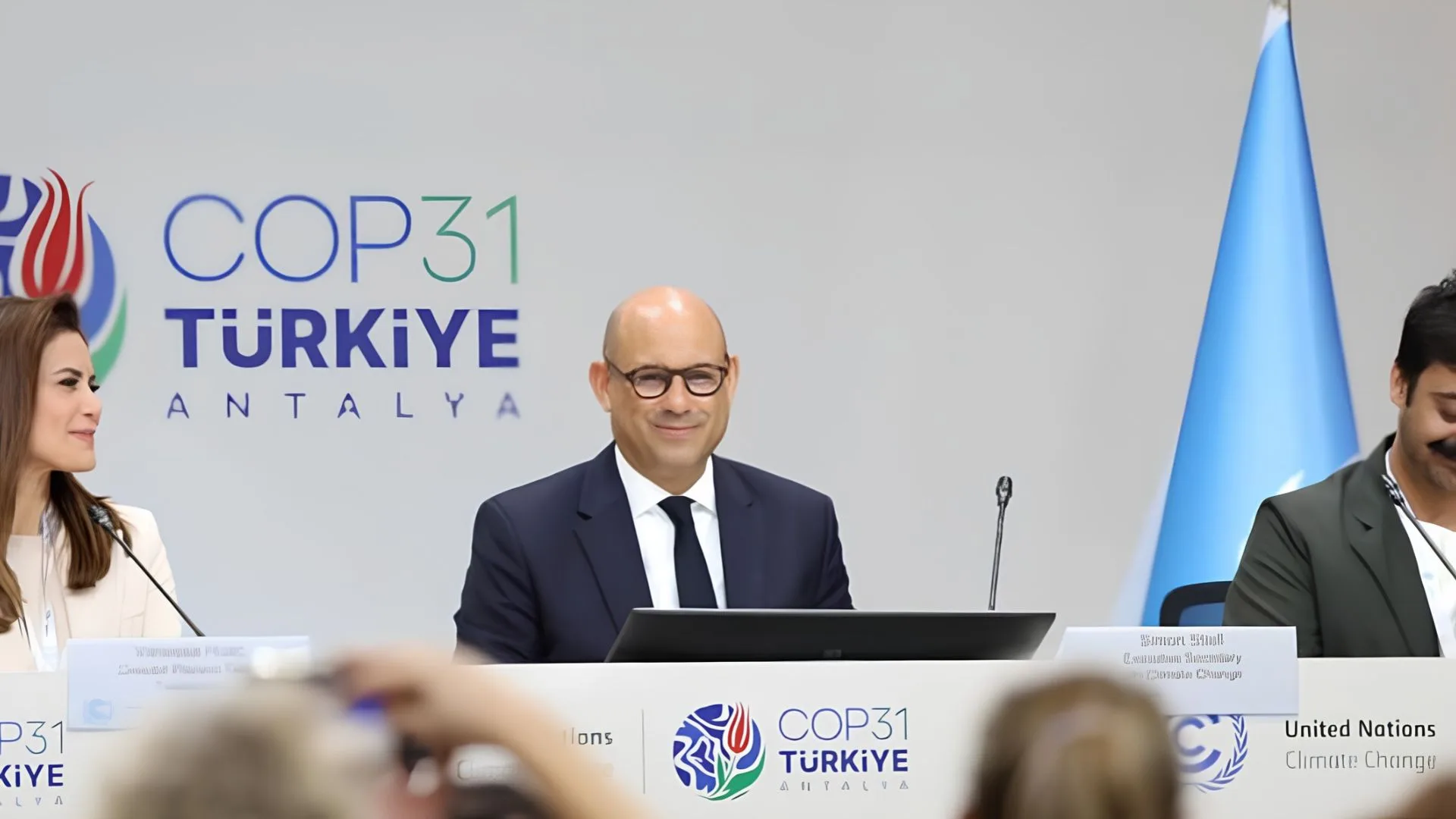
टर्किएको अन्ताल्यामा सम्पन्न संयुक्त राष्ट्रसङ्घीय जलवायु सम्मेलन (कोप–३१) मा अध्यक्षताद्वारा प्रस्तुत निर्णयमा सहमति जुट्न नसक्नुलाई राष्ट्रसङ्घीय जलवायु परिवर्तनसम्बन्धी कार्यकारी सचिव साइमन स्टिलले निराशाजनक बताएका छन् । निर्धारित समयभन्दा दुई दिन ढिलो आइतबार आयोजित समापन समारोहमा बोल्दै उनले विश्वभर जलवायु सङ्कट गहिरिँदै गएकाले अन्तर्राष्ट्रिय सहकार्यलाई कमजोर हुन दिन नहुनेमा जोड दिए ।
विश्वको तापक्रम वृद्धि १.५ डिग्री सेल्सियस नाघ्ने जोखिम नजिकिएको र जीवाश्म इन्धनको लागतले विश्व अर्थतन्त्रमा मुद्रास्फीति बढाएको स्टिलको विश्लेषण छ । करिब २०० देशलाई एकै ठाउँमा उभ्याउने कोप प्रक्रिया १९४ पक्ष राष्ट्रको साझा भएकाले पारदर्शी संवाद र विगतका उपलब्धिलाई आधार बनाएर अघि बढ्नुपर्ने उनले बताए । विश्व अब प्रतिबद्धता जनाउने चरणबाट कार्यान्वयनको युगमा प्रवेश गरिसकेकाले जलवायु वार्ताको परम्परागत शैलीलाई आधुनिकीकरण र पुनर्संरचना गर्नुपर्ने उनको धारणा छ ।
वार्ताका क्रममा अपेक्षित राजनीतिक सहमति नजुटे पनि कार्यसूची (एक्सन एजेन्डा) अन्तर्गत भने महत्त्वपूर्ण प्रगति भएको स्टिलले उल्लेख गरे । कृषि, खाद्य प्रणाली रूपान्तरण र पूर्वाधार उत्थानशीलतासहित छवटा मुख्य क्षेत्रमा ठोस काम भएको तथा विश्व अर्थतन्त्रको करिब आधा हिस्सा विद्युतीकरणलाई तीव्रता दिन अग्रसर देखिएको उनले बताए ।
आगामी कोप–३२ लाई महत्त्वपूर्ण अवसरका रूपमा चित्रण गर्दै उनले दोस्रो विश्वव्यापी समीक्षा (ग्लोबल स्टकटेक–२) ले अघिल्ला उपलब्धिलाई कमजोर पार्ने नभई प्रभावकारी कार्यान्वयनमा लैजानुपर्ने बताए । सरकार, नागरिक समाज र अन्तर्राष्ट्रिय समुदायलाई सहकार्यको गति नरोक्न आग्रह गर्दै स्टिलले जलवायु परिवर्तनविरुद्धको सङ्घर्ष कहिल्यै नरोकिने र हार नमान्ने स्पष्ट पारे ।
UN Climate Change Executive Secretary Simon Stiell has described the failure to reach a consensus on the decision presented by the presidency at the UN Climate Conference (COP-31) in Antalya, Turkey, as disappointing. Speaking at the closing ceremony held on Sunday—two days behind schedule—he emphasized that international cooperation must not weaken as the climate crisis deepens worldwide.
Stiell noted that the risk of global temperatures exceeding 1.5 degrees Celsius is drawing closer, while the cost of fossil fuels is driving up inflation in the global economy. Pointing out that the COP process brings together nearly 200 countries and belongs equally to all 194 parties, he stressed the need to move forward through transparent dialogue and by building on past achievements. He added that since the world has transitioned from the phase of making pledges to an era of implementation, the traditional approach to climate negotiations must be modernized and restructured.
Despite the lack of expected political consensus during the talks, Stiell highlighted significant progress under the Action Agenda. He stated that concrete strides were made across six key areas—including agriculture, food system transformation, and infrastructure resilience—and noted that roughly half of the global economy has stepped forward to accelerate electrification.
Describing the upcoming COP-32 as a crucial opportunity, he asserted that the second Global Stocktake must focus on effective implementation rather than undermining previous gains. Urging governments, civil society, and the international community to maintain the momentum of cooperation, Stiell made it clear that the fight against climate change will continue relentlessly and without surrender.