NEPSEtrading

Make smarter moves backed by machine learning. Join thousands of traders leveraging AI to maximize profits.

nepsetrading.com is an online news portal that provides insights into trading and investment by analyzing the stock market and the global economy. We create charts based on the analysis of various indicators. Please do not rely solely on this information for investment decisions. Self-study is crucial. Use this information only as an educational and informational resource.

Marketminds Investment Group Private Limited

DOIB Registration certificate no.: 4680-2081/2082

Director & Editor-in-chief: Dipesh Ghimire · 9802363868, 9851119988

Koteshwor 32, Kathmandu
01-5253221 · +977 9709066745

Contact support

Subscribe to our newsletter

Weekly insights from the NEPSE market in your inbox.

Get the app

Track markets, signals and alerts from your phone.

Get it onGoogle Play

Market

  • Stocks
  • Sectors

Company

  • About Us
  • Our Team
  • Terms of Use
  • Our Policy
  • Training
  • Contact Us

Help

  • Support
  • Report
  • FAQ

© 2026 nepsetrading.com. All rights reserved.
Owned and operated by Marketminds Investment Group Private Limited.

Charts powered by TradingView

  1. News
  2. Investor
  3. Finance Committee's directive: a capital market reform blueprint within 10 days
अर्थ समितिको निर्देशन : पुँजी बजार सुधारको खाका १० दिनभित्र, तीन महिनाभित्र सर्ट सेलिङ कार्यान्वयन गर्ने सेबोनको तयारी
Investor
2 min read
Updated on July 15, 2026
NEPSE TRADING

अर्थ समितिको निर्देशन : पुँजी बजार सुधारको खाका १० दिनभित्र, तीन महिनाभित्र सर्ट सेलिङ कार्यान्वयन गर्ने सेबोनको तयारीFinance Committee's directive: a capital market reform blueprint within 10 days

प्रतिनिधिसभाको अर्थ समितिले पुँजी बजार, बैंकिङ क्षेत्र र समग्र वित्तीय प्रणालीको अध्ययन गरी १० दिनभित्र प्रतिवेदन बुझाउन सरकारलाई निर्देशन दिएको छ। यो निर्देशनले नियामक निकाय र सरकारलाई छरिएर होइन, समन्वित रूपमा सुधारको खाका तयार गर्न बाध्य पार्ने देखिन्छ।

बुधबारको बैठकमा अर्थ मन्त्रालय, नेपाल राष्ट्र बैंक, धितोपत्र बोर्ड, नेप्से, सिडिएस एन्ड क्लियरिङलगायतका प्रतिनिधिसँग छलफलपछि समितिले यस्तो निर्देशन दिएको हो।

बैठकमा सांसदहरूले वित्तीय प्रणालीको एउटा विरोधाभास औंल्याए, बैंकिङ प्रणालीमा अत्यधिक तरलता हुँदाहुँदै पनि कर्जा विस्तार हुन नसकेको र पुँजी बजार भने सुस्त रहेको। पैसा प्रणालीमा थुप्रिएर पनि उत्पादनशील क्षेत्रमा प्रवाह नहुनु अहिलेको मुख्य चुनौतीका रूपमा देखिएको छ।

समितिले तत्काल कार्यान्वयन गर्न सकिने र नीतिगत सुधार आवश्यक पर्ने विषय छुट्याएर प्रतिवेदन तयार गर्न भनेको छ। साथै छोटो बिक्री (सर्ट सेलिङ), डेरिभेटिभजस्ता नयाँ उपकरण, संस्थागत लगानीकर्ताको भूमिका र बैंकिङ–पुँजी बजारबीचको समन्वयबारे पनि अध्ययन गर्न निर्देशन दिइएको छ।

बैठकको सबैभन्दा चर्चित विषय भने १० कित्ते नीति बन्यो। अर्थ मन्त्रालयका सहसचिव महेश आचार्यले यो नीतिले लगानी संस्कृतिमै विकृति ल्याएको भन्दै पुनरावलोकन आवश्यक रहेको बताए। उनका अनुसार आईपीओ प्राप्त गर्ने प्रवृत्ति दीर्घकालीन लगानीभन्दा ‘चिठ्ठा परेजस्तो’ भएको छ।

आचार्यको यो टिप्पणीले नेपाली सेयर बजारको संरचनागत समस्या उजागर गर्छ। धेरै साना लगानीकर्ताले कम्पनीको विवरणपत्र र वित्तीय अवस्था अध्ययन नगरी छोटो अवधिमा मूल्य बढ्ने अपेक्षामा लगानी गर्ने गरेका छन्। यसैले बजार घट्नासाथ असन्तुष्टि र आन्दोलन देखिने गरेको उनको विश्लेषण छ, जसको जड वित्तीय साक्षरताको कमी हो।

सुधारका लागि उनले साना लगानीकर्तालाई सिधै आईपीओतर्फ नभई म्युचुअल फन्डमार्फत संस्थागत लगानीतर्फ प्रेरित गर्नुपर्ने सुझाव दिए। यसले जोखिम विविधीकरण गर्दै बजारलाई बढी अनुशासित बनाउने अपेक्षा गरिएको छ।

अर्को महत्त्वपूर्ण विषय ग्रे लिस्ट रह्यो। आचार्यका अनुसार नेपाल सम्पत्ति शुद्धीकरणसम्बन्धी अन्तर्राष्ट्रिय निगरानी सूचीबाट बाहिरिने दिशामा अघि बढेको छ र एफएटिएफले दिएका १५ कार्ययोजनामध्ये चार पूरा भइसकेका छन्। सेप्टेम्बरमा मलेसियामा हुने आमनेसामने मूल्याङ्कन नेपालका लागि निर्णायक हुने उनको भनाइ छ।

पुँजी बजारका सन्दर्भमा सबैभन्दा ठोस घोषणा सेबोन अध्यक्ष गोपाल भट्टबाट आयो। उनका अनुसार बजार घट्दा पनि लगानीकर्ताले प्रतिफल लिन सक्ने ‘सर्ट सेलिङ’ प्रणाली आगामी तीन महिनाभित्र कार्यान्वयनमा आउनेछ।

यो प्रणालीअन्तर्गत बजार घट्ने अनुमान गर्ने लगानीकर्ताले अरूबाट सेयर सापटी लिएर बेच्न सक्नेछन् र पछि मूल्य घटेपछि सस्तोमा किनेर फिर्ता गर्दा मूल्य अन्तरबाट नाफा लिनेछन्। सिद्धान्ततः यसले बजार बढ्दा र घट्दा दुवै अवस्थालाई अवसरमा बदल्छ।

भट्टको तर्कमा नेपाली लगानीकर्तामा ‘बजार सधैं बढ्नुपर्छ’ भन्ने एकतर्फी मनोविज्ञान हावी छ, जुन सर्ट सेलिङले घटाउन सक्छ। तर व्यवहारमा यो जोखिमपूर्ण उपकरण पनि हो, जसलाई पर्याप्त नियमन र लगानीकर्ता शिक्षाबिना लागू गर्दा नयाँ विकृति निम्तिन सक्ने चुनौती पनि उत्तिकै छ।

समग्रमा, अर्थ समितिको १० दिने समयसीमाले सुधारको दबाब बढाए पनि असली परीक्षा कार्यान्वयनमै हुनेछ। तरलता उत्पादनशील क्षेत्रमा पुर्‍याउने, लगानी संस्कृति परिपक्व बनाउने र ग्रे लिस्टबाट बाहिरिने, यी तीनै लक्ष्य एकसाथ हासिल गर्नु नै आगामी दिनको मुख्य कसी हुनेछ।

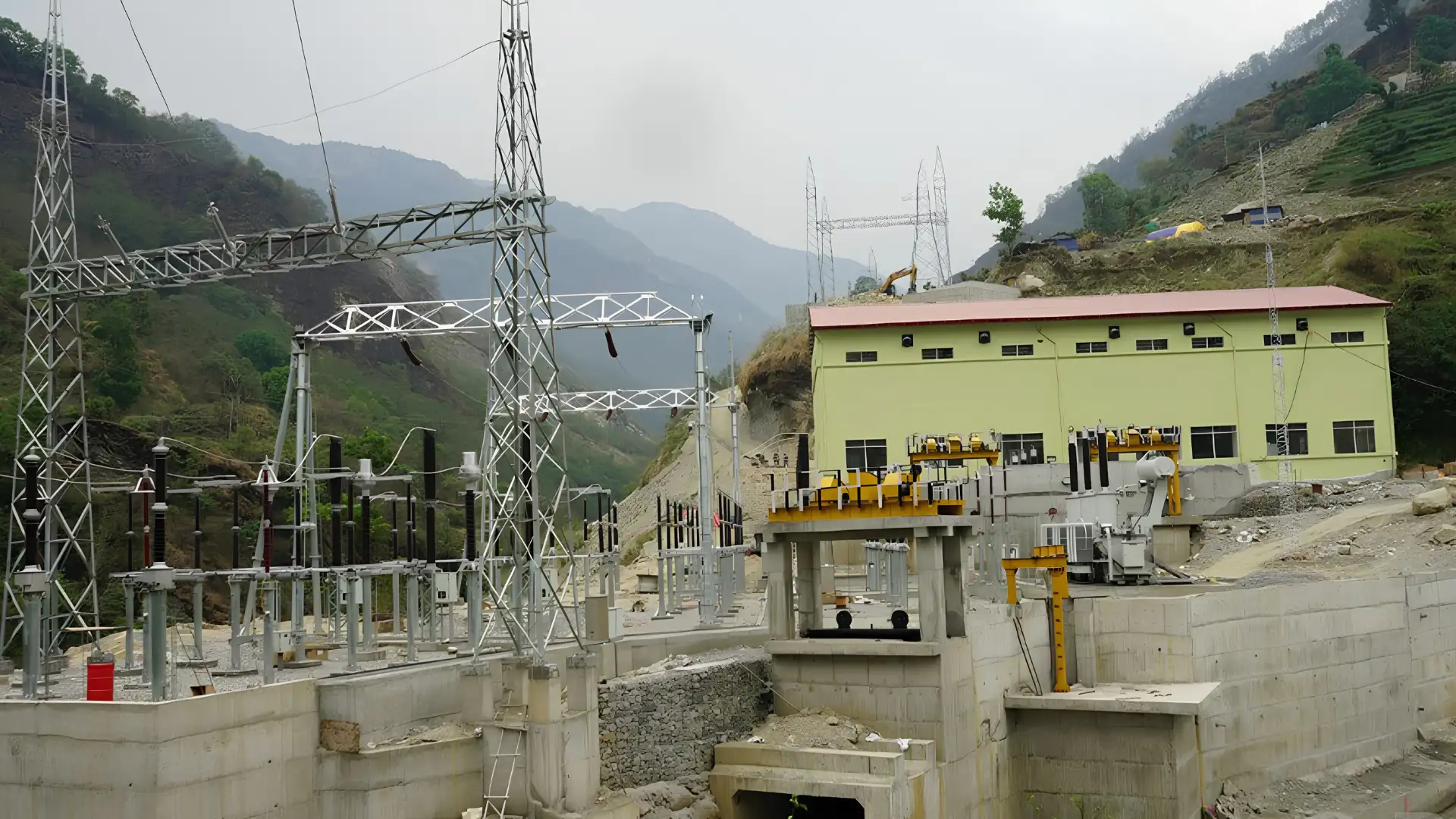
The House of Representatives' Finance Committee has directed the government to study the capital market, the banking sector and the overall financial system, and to submit a report within 10 days. The directive appears designed to force regulators and the government to prepare a reform blueprint in a coordinated way rather than in a scattered fashion.

The committee issued the directive after Wednesday's meeting, following discussions with representatives from the Ministry of Finance, Nepal Rastra Bank, the Securities Board of Nepal (SEBON), NEPSE, CDS and Clearing, and other related bodies.

At the meeting, lawmakers pointed to a contradiction in the financial system: despite excess liquidity in the banking system, credit expansion has stalled while the capital market remains sluggish. Money piling up in the system without flowing into productive sectors has emerged as the central challenge of the moment.

The committee asked for a report that separates measures that can be implemented immediately from those requiring policy reform. It also directed a study of new instruments such as short selling and derivatives, the role of institutional investors, and coordination between the banking sector and the capital market.

The most talked-about issue at the meeting turned out to be the "10-unit" (das kitte) policy. Ministry of Finance Joint Secretary Mahesh Acharya argued that the policy has distorted the investment culture itself and needs to be reviewed. In his view, the tendency to obtain IPO shares has come to resemble "winning a lottery" rather than long-term investment.

Acharya's remark exposes a structural problem in Nepal's share market. Many small investors invest in the expectation of a short-term price rise, without studying a company's prospectus or financial condition. His analysis is that this is precisely why dissatisfaction and protests surface the moment the market falls, with the root cause being a lack of financial literacy.

As a remedy, he suggested steering small investors toward institutional investment through mutual funds rather than directly into IPOs. This is expected to diversify risk and bring greater discipline to the market.

Another significant issue was the grey list. According to Acharya, Nepal is moving toward exiting the international watchlist on money laundering, and four of the 15 action items given by the FATF have already been completed. He said the face-to-face evaluation in Malaysia in September will be decisive for Nepal.

On the capital market itself, the most concrete announcement came from SEBON Chairman Gopal Bhatta. According to him, a short-selling system that allows investors to earn returns even when the market falls will be implemented within the next three months.

Under this system, investors who anticipate a market decline can borrow shares from others and sell them, then buy them back at a lower price later and return them, profiting from the price difference. In principle, this turns both rising and falling markets into opportunities.

Bhatta's argument is that Nepali investors are dominated by a one-directional mindset that "the market must always rise," which short selling could help temper. In practice, however, it is also a risky instrument, and implementing it without adequate regulation and investor education carries an equal risk of inviting new distortions.

Overall, while the Finance Committee's 10-day deadline raises the pressure for reform, the real test will lie in implementation. Channeling liquidity into productive sectors, maturing the investment culture, and exiting the grey list, achieving all three of these goals at once will be the key measure of the days ahead.

Trending News

  • Trending16 Jul, 2026

    सार्वजनिक विद्युतीय बस किन्न ८० प्रतिशतसम्म कर्जाBanks Allowed to Finance Up to 80 Percent of Large Electric Public Vehicles

    Read news
  • Trending16 Jul, 2026

    असुल नभएको ब्याजबाट लाभांश बाँड्न नपाइने, राष्ट्रिय परिचयपत्रसँग केवाईसी जोड्न समयसीमाBanks Barred from Distributing Dividends on Uncollected Interest

    Read news
  • Trending16 Jul, 2026

    खुला बजार कारोबारमा राष्ट्र बैंक थप लचिलो, विभागीय सीमा ४५ अर्ब पुग्योNRB Raises Open Market Transaction Limit to Rs 45 Billion

    Read news

Related News

  • Banks Allowed to Finance Up to 80 Percent of Large Electric Public Vehicles
    Investor

    2 min read

    सार्वजनिक विद्युतीय बस किन्न ८० प्रतिशतसम्म कर्जाBanks Allowed to Finance Up to 80 Percent of Large Electric Public Vehicles

    NEPSE TRADING

    ·

    16 Jul, 2026

  • Banks Barred from Distributing Dividends on Uncollected Interest
    Investor

    2 min read

    असुल नभएको ब्याजबाट लाभांश बाँड्न नपाइने, राष्ट्रिय परिचयपत्रसँग केवाईसी जोड्न समयसीमाBanks Barred from Distributing Dividends on Uncollected Interest

    NEPSE TRADING

    ·

    16 Jul, 2026

  • NRB Raises Open Market Transaction Limit to Rs 45 Billion
    Investor

    3 min read

    खुला बजार कारोबारमा राष्ट्र बैंक थप लचिलो, विभागीय सीमा ४५ अर्ब पुग्योNRB Raises Open Market Transaction Limit to Rs 45 Billion

    NEPSE TRADING

    ·

    16 Jul, 2026

  • Banks Can Now Lend Up to 80 Percent Against Shares of Strong Companies
    Investor

    1 min read

    बलिया कम्पनीको सेयर धितोमा अब ८० प्रतिशतसम्म कर्जाBanks Can Now Lend Up to 80 Percent Against Shares of Strong Companies

    NEPSE TRADING

    ·

    16 Jul, 2026