१६ खर्ब राजस्व लक्ष्यमा सरकारको दबाब, कर प्रशासन सुधारलाई प्राथमिकताGovernment Puts Pressure on Revenue Administration as Rs. 1.6 Trillion Collection Target Looms
काठमाडौं — चालु आर्थिक वर्षमा करिब १६ खर्ब रुपैयाँ राजस्व संकलन गर्ने महत्वाकांक्षी लक्ष्य पूरा गर्न अर्थ मन्त्रालयले कर प्रशासनलाई थप प्रभावकारी बनाउने तयारी थालेको छ। अर्थमन्त्री डा. स्वर्णिम वाग्लेले भन्सार र आन्तरिक राजस्व प्रशासनको नेतृत्व सम्हालेका नयाँ अधिकारीहरूलाई राजस्व परिचालन बढाउने मात्र होइन, कर प्रणालीप्रतिको विश्वास बलियो बनाउने गरी काम गर्न निर्देशन दिएका छन्।
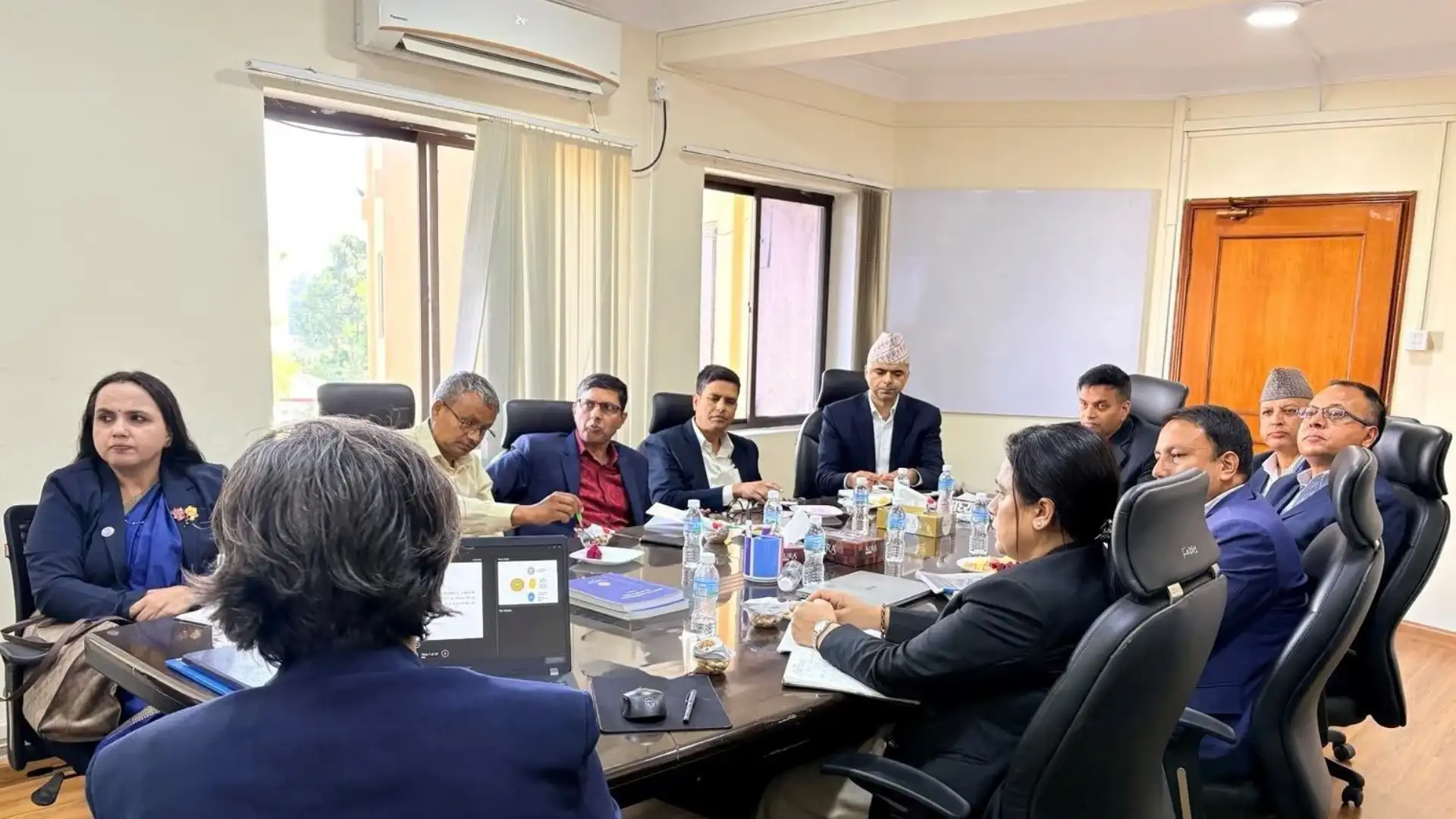
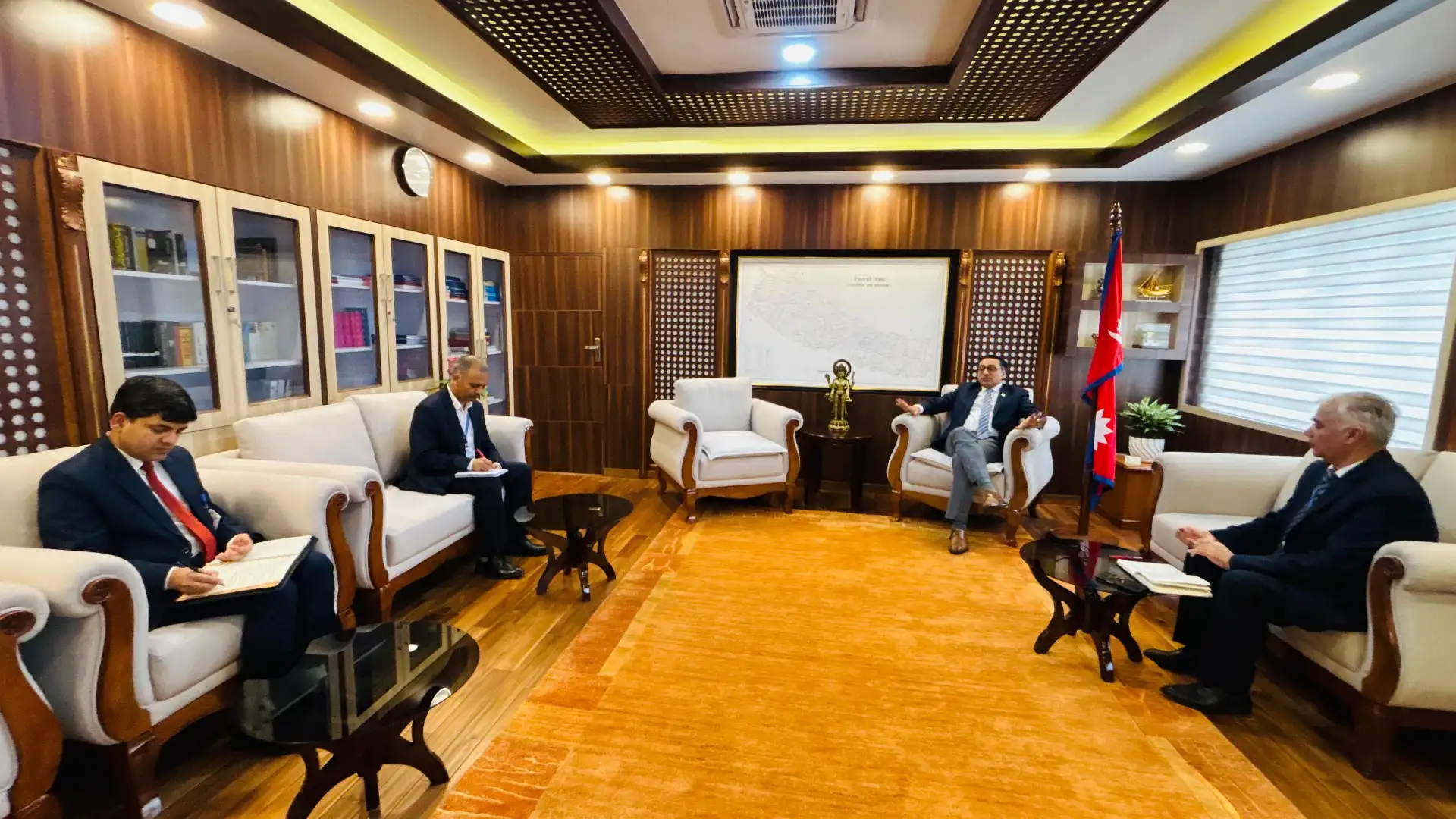
मंगलबार अर्थ मन्त्रालयमा भन्सार विभाग र आन्तरिक राजस्व विभागका प्रमुखसहित उच्च अधिकारीहरूसँग भएको छलफलमा मन्त्री वाग्लेले राजस्व संकलनलाई केवल लक्ष्य पूरा गर्ने विषयका रूपमा नभई राज्यको आर्थिक क्षमता विस्तार गर्ने आधारका रूपमा अघि बढाउनुपर्ने धारणा राखेका छन्। उनले चुहावट नियन्त्रण, स्वैच्छिक कर सहभागिता वृद्धि र करदातामैत्री वातावरण निर्माणलाई मुख्य प्राथमिकतामा राख्न निर्देशन दिएका हुन्।
राजस्व लक्ष्य पछिल्लो समय सरकारका लागि चुनौतीपूर्ण बन्दै आएको छ। आर्थिक गतिविधिमा आएको सुस्तता, आयातमा देखिएको उतारचढाव, निजी क्षेत्रको कमजोर माग र व्यवसायिक वातावरणमा देखिएको दबाबले राजस्व संकलनमा असर पार्ने गरेको छ। यस्तो अवस्थामा लक्ष्य पूरा गर्न करको दर बढाउनेभन्दा पनि करको दायरा विस्तार, चुहावट नियन्त्रण र प्रशासनिक सुधार महत्वपूर्ण हुने अर्थविद्हरूको धारणा छ।
कर प्रशासनमा सुधार बिना लक्ष्य कठिन
भन्सार विभाग र आन्तरिक राजस्व विभाग सरकारको राजस्व प्रणालीका दुई मुख्य आधार हुन्। भन्सारबाट संकलन हुने राजस्व आयात–निर्यात गतिविधिसँग प्रत्यक्ष जोडिएको हुन्छ भने आन्तरिक राजस्व विभागले आयकर, मूल्य अभिवृद्धि कर (भ्याट) लगायतका माध्यमबाट आन्तरिक स्रोत परिचालन गर्छ।
मन्त्री वाग्लेले दुवै निकायलाई सूचना प्रविधिमा आधारित, पारदर्शी र छिटो सेवा दिने प्रशासनका रूपमा विकास गर्न निर्देशन दिएका छन्। डिजिटल प्रणालीको विस्तारले करदाताको लागत घटाउने, प्रक्रियालाई सरल बनाउने र अनियमितताको सम्भावना कम गर्ने अपेक्षा गरिएको छ।
विशेषगरी भन्सार क्षेत्रमा हुने मूल्यांकनसम्बन्धी समस्या, राजस्व चुहावट र अनौपचारिक व्यापार नियन्त्रण गर्न प्रविधिको प्रयोग महत्वपूर्ण हुने देखिन्छ। त्यसैगरी आन्तरिक राजस्वतर्फ करदाताको स्वैच्छिक सहभागिता बढाउन सेवा सुधार र विश्वास निर्माण आवश्यक हुनेछ।
राजस्व वृद्धि र व्यवसायिक वातावरणबीच सन्तुलनको चुनौती
सरकारका लागि राजस्व संकलन बढाउनु आवश्यक भए पनि कर प्रशासन कडा बनाउने क्रममा व्यवसायिक वातावरणमा नकारात्मक असर नपरोस् भन्ने चुनौती पनि उत्तिकै छ।
मन्त्री वाग्लेले व्यवसायी र करदाताको मनोबल कायम राख्दै लक्ष्य हासिल गर्नुपर्नेमा जोड दिएका छन्। यसको अर्थ कर छली नियन्त्रणसँगै नियमित कर तिर्ने व्यवसायीलाई सहज सेवा र स्पष्ट प्रणाली उपलब्ध गराउनु पर्ने हुन्छ।
कर प्रणालीप्रति विश्वास बढेमा सरकारको आम्दानी स्थायी रूपमा विस्तार हुन सक्छ। तर कर प्रशासन केवल अनुगमन र कारबाहीमा केन्द्रित भएमा व्यवसायीमा असहजता सिर्जना हुन सक्ने जोखिम रहन्छ। त्यसैले आगामी दिनमा राजस्व प्रशासनले नियन्त्रण र सहजीकरणबीच सन्तुलन कायम गर्नुपर्ने देखिन्छ।
अनियमिततामा कडाइ, राम्रो काम गर्नेलाई प्रोत्साहन
राजस्व प्रशासनभित्र देखिने अनियमितता नियन्त्रण गर्न पनि मन्त्री वाग्लेले कडा निर्देशन दिएका छन्। उनले मातहतका कार्यालयमा गलत गतिविधिमा संलग्न कर्मचारीमाथि कारबाही गर्न र इमानदारीपूर्वक काम गर्ने कर्मचारीलाई प्रोत्साहन गर्ने व्यवस्था मिलाउन भनेका छन्।
राजस्व संकलनमा कर्मचारीको भूमिका महत्वपूर्ण हुने भएकाले प्रशासनिक जवाफदेहिता र कार्यसम्पादन मूल्यांकनलाई प्रभावकारी बनाउनुपर्ने आवश्यकता देखिएको छ। विशेषगरी ठूलो आर्थिक कारोबार हुने भन्सार तथा कर कार्यालयमा पारदर्शिता कायम गर्न सके राजस्व चुहावट घटाउन सहयोग पुग्नेछ।
नयाँ नेतृत्वबाट ६–८ महिनामा परिणाम खोज्दै मन्त्रालय
मन्त्रालयले प्रशासनिक क्षमता र अनुभवका आधारमा नयाँ नेतृत्व चयन गरिएको जनाएको छ। भन्सार विभागको महानिर्देशकमा यमलाल भुसाल, आन्तरिक राजस्व विभागको महानिर्देशकमा डा. भीष्मकुमार भुसाल र भन्सार विभागको उपमहानिर्देशकमा प्रेमप्रसाद आचार्यलाई जिम्मेवारी दिइएको छ।
मन्त्री वाग्लेले नयाँ नेतृत्वबाट छोटो अवधिमै सुधारको संकेत देखिने अपेक्षा गरेका छन्। उनले आगामी ६ देखि ८ महिनाभित्र कार्यसम्पादनको परिणाम देखिनुपर्ने संकेत गरेका छन्।
तर राजस्व प्रशासन सुधार केवल नेतृत्व परिवर्तनले मात्र सम्भव हुँदैन। नीतिगत स्थिरता, प्रविधिको प्रभावकारी प्रयोग, कर्मचारीको जवाफदेहिता र निजी क्षेत्रसँगको सहकार्यले मात्र दीर्घकालीन सुधार सम्भव हुनेछ।
राजस्व आत्मनिर्भरता सरकारको दीर्घ लक्ष्य
सरकारले आन्तरिक स्रोत बलियो बनाउने लक्ष्य राखेको छ। पर्याप्त राजस्व संकलन भए विकास निर्माण, सामाजिक सुरक्षा र सार्वजनिक सेवाका लागि बाह्य ऋणमा निर्भरता घटाउन सकिन्छ।
नेपालको सार्वजनिक वित्त व्यवस्थापनमा आन्तरिक राजस्वको भूमिका पछिल्ला वर्षमा झन् महत्वपूर्ण बनेको छ। तर राजस्व बढाउने प्रयास उत्पादन, लगानी र व्यवसाय विस्तारसँग जोडिन आवश्यक छ।
अब नयाँ नेतृत्वको मुख्य परीक्षा केवल १६ खर्ब रुपैयाँको लक्ष्य पूरा गर्नु मात्र होइन, कर प्रशासनलाई नागरिक र व्यवसायीमैत्री, प्रविधिमैत्री र विश्वसनीय संस्थाका रूपमा स्थापित गर्नु हुनेछ। आगामी महिनामा राजस्व संकलनको गति र सुधारका संकेतले सरकारले लिएको रणनीति कति प्रभावकारी हुन्छ भन्ने देखाउनेछ।
Kathmandu — With the government setting an ambitious target of collecting around Rs. 1.6 trillion in revenue during the current fiscal year, the Ministry of Finance has begun efforts to strengthen tax administration and improve revenue mobilization. Finance Minister Dr. Swarnim Wagle has directed the newly appointed heads of the Department of Customs and the Inland Revenue Department to work toward achieving the target through transparency, efficiency, and stronger enforcement mechanisms.
During a meeting held at the Ministry of Finance on Tuesday with senior officials from the customs and revenue administration, Minister Wagle emphasized that increasing revenue should not be viewed merely as meeting a numerical target but as a foundation for strengthening the country’s financial capacity. He instructed officials to focus on controlling revenue leakage, increasing voluntary tax compliance, and creating a taxpayer-friendly environment.
Revenue collection has remained a major challenge for the government in recent years. Slower economic activity, fluctuations in imports, weak private sector demand, and uncertainty in the business environment have affected government income. In such a situation, experts argue that improving tax administration, expanding the taxpayer base, and reducing leakages are more sustainable approaches than increasing tax rates.
Improving Tax Administration Seen as Key to Meeting Target
The Department of Customs and the Inland Revenue Department are the two major pillars of Nepal’s revenue system. While customs revenue is closely linked with import and export activities, the Inland Revenue Department manages domestic sources such as income tax and value-added tax (VAT).
Minister Wagle has emphasized the need to transform both institutions into technology-driven, transparent, and efficient public service agencies. Expanding digital systems is expected to reduce compliance costs for taxpayers, simplify procedures, and minimize opportunities for irregularities.
In particular, technology-based monitoring in customs operations could help address issues related to valuation, under-invoicing, and revenue leakage. Similarly, improving taxpayer services and building trust will be essential for increasing voluntary compliance under the domestic tax system.
Balancing Revenue Growth and Business Confidence
Although increasing government revenue is essential, maintaining a supportive business environment remains another major challenge for the government.
Minister Wagle has stressed the importance of achieving revenue targets while maintaining the confidence of businesses and taxpayers. This approach requires not only stronger action against tax evasion but also easier services, predictable regulations, and a transparent tax system for compliant businesses.
A trustworthy tax system can create long-term growth in government revenue. However, excessive enforcement without adequate facilitation could negatively affect business confidence. Therefore, the revenue administration will need to maintain a balance between regulation and taxpayer support.
Strict Action Against Irregularities, Incentives for Honest Employees
The finance minister has also instructed authorities to take strong action against employees involved in irregular activities within revenue offices. At the same time, he called for recognition and incentives for officials who perform their duties honestly and effectively.
The role of government employees is crucial in improving revenue collection. Strengthening accountability, performance evaluation, and institutional integrity will be necessary to improve efficiency across customs and tax offices.
Ensuring transparency in high-volume revenue-generating offices, particularly customs points and major tax offices, could significantly reduce leakages and improve public confidence in the system.
New Leadership Expected to Deliver Results Within 6–8 Months
The Ministry of Finance has stated that the new leadership team was selected based on administrative capability and professional experience. Yam Lal Bhusal has been appointed Director General of the Department of Customs, Dr. Bhishma Kumar Bhusal as Director General of the Inland Revenue Department, and Prem Prasad Acharya as Deputy Director General of the Department of Customs.
Minister Wagle has expressed confidence that visible improvements will emerge within six to eight months under the new leadership.
However, reforming revenue administration cannot depend solely on changes in leadership. Long-term improvement requires stable policies, effective use of technology, employee accountability, and stronger cooperation between the government and the private sector.
Building Domestic Revenue Capacity as a Long-Term Goal
Strengthening domestic revenue collection remains a major priority for the government. Higher internal revenue generation can reduce dependence on external borrowing and provide more resources for infrastructure development, public services, and social programs.
Nepal’s fiscal management has increasingly depended on improving domestic revenue performance. However, sustainable revenue growth must go hand in hand with economic expansion, investment growth, and increased business activity.
The biggest challenge for the new revenue leadership will not only be achieving the Rs. 1.6 trillion collection target but also transforming Nepal’s tax administration into a system that is transparent, technology-oriented, efficient, and trusted by citizens and businesses.
The performance of revenue collection in the coming months and the visible improvements in administration will determine whether the government’s strategy delivers meaningful results.