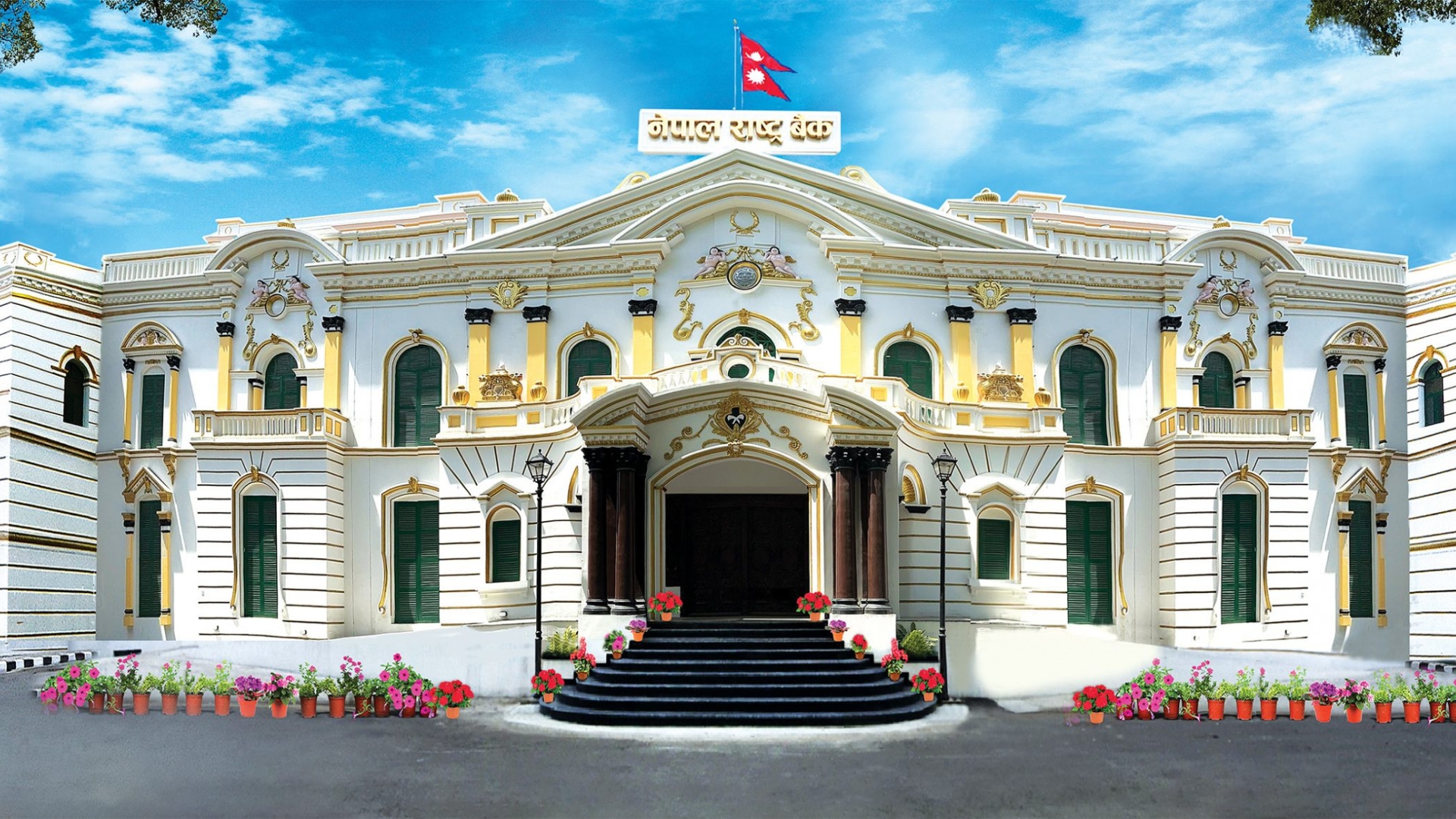
नेपाल राष्ट्र बैंकले आर्थिक वर्ष २०८२/८३ को मौद्रिक नीतिको वार्षिक समीक्षा प्रतिवेदन सार्वजनिक गर्दै आर्थिक तथा मौद्रिक लक्ष्यहरूको कार्यान्वयन स्थिति सार्वजनिक गरेको छ। प्रतिवेदन अनुसार चालु आर्थिक वर्षका अधिकांश सूचकहरू लक्ष्यको परिधिभित्रै देखिएका छन्।
सरकारले आर्थिक वर्ष २०८२/८३ का लागि उपभोक्ता मुद्रास्फीति ५.० प्रतिशतको सीमाभित्र कायम राख्ने लक्ष्य लिएकोमा चालु आर्थिक वर्षको दश महिनासम्मको औसत उपभोक्ता मुद्रास्फीति २.६६ प्रतिशत मात्रै रहेको छ। यद्यपि, २०८३ बैशाख महिनामा वार्षिक विन्दुगत मुद्रास्फीति भने ५.०४ प्रतिशत पुगेको छ।
यसैगरी मौद्रिक नीतिले विस्तृत मुद्रा प्रदायको वृद्धिदर १३.० प्रतिशत र निजी क्षेत्रतर्फ जाने कर्जाको वृद्धिदर १२.० प्रतिशतसम्म रहने प्रक्षेपण गरेको थियो। तर २०८३ बैशाखको तथ्याङ्क अनुसार विन्दुगत आधारमा विस्तृत मुद्रा प्रदायको वृद्धिदर लक्ष्यभन्दा बढी अर्थात् १५.२ प्रतिशत पुगेको छ भने निजी क्षेत्रतर्फ जाने कर्जाको वृद्धिदर भने लक्ष्यभन्दा निकै कम अर्थात् ६.५ प्रतिशतमा सीमित भएको छ।
अर्कोतर्फ बाह्य क्षेत्रको स्थिति भने निकै मजबुत देखिएको छ। आर्थिक वर्ष २०८२/८३ को मौद्रिक नीतिले कम्तीमा सात महिनाको वस्तु तथा सेवा आयात धान्न पर्याप्त हुने गरी विदेशी विनिमय सञ्चिति कायम राख्ने लक्ष्य लिएको थियो। राष्ट्र बैंकको समीक्षा अनुसार २०८३ बैशाख मसान्तमा कायम रहेको विदेशी विनिमय सञ्चितिले १९.२ महिनाको वस्तु तथा सेवा आयात धान्न पर्याप्त हुने देखिएको छ, जुन लक्ष्यको तुलनामा निकै धेरै हो।
नेपाल राष्ट्र बैंकको समीक्षा प्रतिवेदन अनुसार चालु आर्थिक वर्षमा देशमा आर्थिक स्थिरता कायम हुने देखिएको छ। विदेशी विनिमय सञ्चितिको स्थिति पनि मजबुत देखिएको छ, जुन देशमा आर्थिक स्थिरता कायम गर्नमा महत्वपूर्ण भूमिका खेल्छ।
नेपाल राष्ट्र बैंकको मौद्रिक नीतिको वार्षिक समीक्षा प्रतिवेदनले देशमा आर्थिक स्थितिको विस्तृत विवरण प्रस्तुत गरेको छ। यस प्रतिवेदनले देशमा आर्थिक स्थिरता कायम गर्नमा सरकार र नेपाल राष्ट्र बैंकको भूमिका कायम गरेको छ।
नेपाल राष्ट्र बैंकको मौद्रिक नीतिको वार्षिक समीक्षा प्रतिवेदन देशमा आर्थिक स्थितिको विस्तृत विवरण प्रस्तुत गर्दछ। यस प्रतिवेदनले देशमा आर्थिक स्थिरता कायम गर्नमा सरकार र नेपाल राष्ट्र बैंकको भूमिका कायम गर्दछ।

2 min read
Latest News
मुद्रास्फीति लक्ष्यभित्रै, विदेशी विनिमय सञ्चितिले १९ महिनाको आयात धान्नेInflation Within Target, Foreign Exchange Reserves Can Cover 19 Months of Imports
The Nepal Rastra Bank has released the annual review report of the monetary policy for the fiscal year 2082/83, according to which most of the current fiscal year's indicators are within the target range.
The government had set a target to keep the consumer price inflation within 5.0 percent for the fiscal year 2082/83. As of the tenth month of the current fiscal year, the average consumer price inflation is only 2.66 percent. However, the year-on-year inflation rate reached 5.04 percent in the month of Baisakh 2083.
The monetary policy had projected the growth rate of broad money supply to be 13.0 percent and the growth rate of credit to the private sector to be 12.0 percent. However, as of Baisakh 2083, the growth rate of broad money supply has exceeded the target, reaching 15.2 percent, while the growth rate of credit to the private sector is lower than the target, at 6.5 percent.
On the other hand, the external sector situation is very strong. The monetary policy for the fiscal year 2082/83 had set a target to maintain the foreign exchange reserves at a level sufficient to cover at least seven months of goods and services imports. According to the review of the Nepal Rastra Bank, the foreign exchange reserves as of the end of Baisakh 2083 are sufficient to cover 19.2 months of goods and services imports, which is much higher than the target.
The review report of the Nepal Rastra Bank indicates that economic stability has been maintained in the country during the current fiscal year. The foreign exchange reserves are also in a strong position, which plays a crucial role in maintaining economic stability in the country.
The annual review report of the monetary policy of the Nepal Rastra Bank provides a detailed description of the economic situation in the country. The report highlights the role of the government and the Nepal Rastra Bank in maintaining economic stability in the country.
The annual review report of the monetary policy provides a detailed description of the economic situation in the country. The report highlights the role of the government and the Nepal Rastra Bank in maintaining economic stability in the country.
Advertisement