NEPSEtrading

Make smarter moves backed by machine learning. Join thousands of traders leveraging AI to maximize profits.

nepsetrading.com is an online news portal that provides insights into trading and investment by analyzing the stock market and the global economy. We create charts based on the analysis of various indicators. Please do not rely solely on this information for investment decisions. Self-study is crucial. Use this information only as an educational and informational resource.

Marketminds Investment Group Private Limited

DOIB Registration certificate no.: 4680-2081/2082

Director & Editor-in-chief: Dipesh Ghimire · 9802363868, 9851119988

Koteshwor 32, Kathmandu
01-5253221 · +977 9709066745

Contact support

Subscribe to our newsletter

Weekly insights from the NEPSE market in your inbox.

Market

  • Stocks
  • Sectors

Company

  • About Us
  • Our Team
  • Terms of Use
  • Our Policy
  • Training
  • Contact Us

Help

  • Support
  • Report
  • FAQ

© 2026 nepsetrading.com. All rights reserved.
Owned and operated by Marketminds Investment Group Private Limited.

Charts powered by TradingView

  • Home
  • Latest
  • Trending
  • Stock
  • Education
  • International
    1. News
    2. Investor
    3. Nepal’s Economy: Stability with Lingering Challenges
    नेपालको अर्थतन्त्र : स्थिरतासँगै चुनौती पनि
    Investor
    2 min read
    Published on September 16, 2025
    NEPSE TRADING

    नेपालको अर्थतन्त्र : स्थिरतासँगै चुनौती पनिNepal’s Economy: Stability with Lingering Challenges

    काठमाडौं, भदौ — नेपाल राष्ट्र बैंकले सार्वजनिक गरेको चालु आर्थिक वर्ष २०८२/८३ को पहिलो महिनाको तथ्याङ्कले अर्थतन्त्र स्थिरताका संकेत देखाए पनि गहिरा चुनौतीहरु अझै कायम रहेको प्रष्ट पारेको छ। मुद्रास्फीति, वैदेशिक मुद्राको सञ्चिति, विप्रेषण, व्यापार र सरकारी वित्तीय अवस्थाका विभिन्न सूचकांकले उत्साहजनक नतिजा ल्याए पनि निजी क्षेत्रको लगानी र बैंकिङ प्रवाहमा कमजोरी देखिएको छ।

    मुद्रास्फीति नियन्त्रणमा

    उपभोक्ता मूल्य सूचकाङ्कमा आधारित वार्षिक मुद्रास्फीति १.६८ प्रतिशतमा सीमित भएको छ। पछिल्ला वर्षहरूमा ६–७ प्रतिशतभन्दा बढी हुने गरेको मुद्रास्फीति घटेर न्यून स्तरमा आउनु उपभोक्ताका लागि राहत बनेको छ। तर, आयातमा निर्भरता बढिरहेको अवस्थामा विश्व बजारमा हुने मूल्य अस्थिरताले फेरि दबाब सिर्जना गर्ने जोखिम भने कायम छ।

    वैदेशिक मुद्राको सञ्चिति मजबुत

    देशको वैदेशिक मुद्राको सञ्चिति २८०६ अर्ब रुपैयाँ नाघेको छ। अमेरिकी डलरमा यो सञ्चिति २० अर्ब ३ करोड पुगेको छ, जसले १६.६ महिनासम्मको वस्तु तथा सेवा आयात धान्न पर्याप्त हुने संकेत गर्छ। यसले नेपाली रूपैँयाको स्थिरता र विदेशी भुक्तानी क्षमतामा तत्कालिन जोखिम नभएको देखाएको छ।

    विप्रेषण आप्रवाह ऐतिहासिक

    साउन महिनामा मात्रै १७७ अर्ब ४१ करोड रुपैयाँको विप्रेषण भित्रिएको छ। यो गत वर्षको तुलनामा झण्डै ३० प्रतिशतले बढेको हो। खाडी मुलुक र मलेसियाजस्ता रोजगारी गन्तव्यमा रहेका नेपाली श्रमिककै कमाइले अर्थतन्त्रलाई उकास्ने मुख्य आधार बनेको छ। तर, दीर्घकालीन दृष्टिले श्रम–आप्रवासनमा निर्भर अर्थतन्त्र असुरक्षित हुने चिन्ता अर्थशास्त्रीहरूले दोहोर्याएका छन्।

    व्यापार : निर्यात बढे पनि आयात अझै भारी

    साउन महिनामा निर्यात ९५.७ प्रतिशतले बढेको छ भने आयात ११.४ प्रतिशतले बढेको देखिन्छ। निर्यातमा आएको तीव्र वृद्धिले घरेलु उत्पादन र औद्योगिक गतिविधि चलायमान भएको संकेत दिन्छ। तर, मूल्यका हिसाबले आयात अझै ठूलो भएकाले व्यापार घाटा भने यथावत छ।

    सरकारको राजस्व सन्तोषजनक

    नेपाल सरकारले साउन महिनामा ८४ अर्ब ४७ करोड राजस्व संकलन गरेको छ भने खर्च ४६ अर्ब ३१ करोडमै सीमित भएको छ। यसले सरकारको नगद सन्तुलन सकारात्मक रहेको देखाएको छ। तथापि, विकास निर्माणतर्फको पूँजीगत खर्च भने सुस्त भएको कारण दीर्घकालीन विकासमा असर पर्ने चेतावनी अर्थविद्हरूले दिएका छन्।

    बैंकिङ क्षेत्रमा लगानी सुस्त

    बैंक तथा वित्तीय संस्थामा निक्षेप ०.८ प्रतिशतले घटेको छ भने निजी क्षेत्रमा गएको कर्जा ०.१ प्रतिशतले घटेको छ। वार्षिक विन्दुगत आधारमा भने निक्षेप १२.५ प्रतिशत र कर्जा ८ प्रतिशतले बढेको देखिन्छ। तर, चालु वर्षको सुरुवातमै कर्जा प्रवाह सुस्त हुनुले निजी लगानीको माग कम भएको र बैंकहरू पनि सावधान मुद्रामा रहेको बुझिन्छ।

    ब्याजदरमा स्थिरता

    अन्तरबैंक कारोबारको औसत ब्याजदर २.७५ प्रतिशत, ९१ दिनको ट्रेजरी बिलको ब्याजदर २.६५ प्रतिशत, वाणिज्य बैंकको निक्षेप ब्याजदर औसत ४.०२ प्रतिशत र कर्जा ब्याजदर ७.७६ प्रतिशत रहेको छ। ब्याजदर मध्यम स्तरमै रहे पनि लगानीमैत्री वातावरण नबन्दा निजी क्षेत्रले अझै ऋण लिन हिचकिचाइरहेको देखिन्छ।

    चालु आर्थिक वर्षको पहिलो महिनाले मुद्रास्फीति नियन्त्रण, विप्रेषण वृद्धि, वैदेशिक सञ्चिति मजबुत र राजस्व सन्तुलन जस्ता सकारात्मक सन्देश दिएको छ। तर, निजी क्षेत्रको लगानी, निक्षेप तथा कर्जा प्रवाह सुस्त हुनु, आयातमा निर्भरता बढ्नु र पूँजीगत खर्च कमजोर हुनु जस्ता चुनौती भने अझै कायम छन्। यदि सरकारले पूँजीगत खर्च गति बढाउन सक्यो भने अर्थतन्त्रले गति लिन सक्छ, अन्यथा स्थिरतामै अड्किने खतरा रहनेछ।

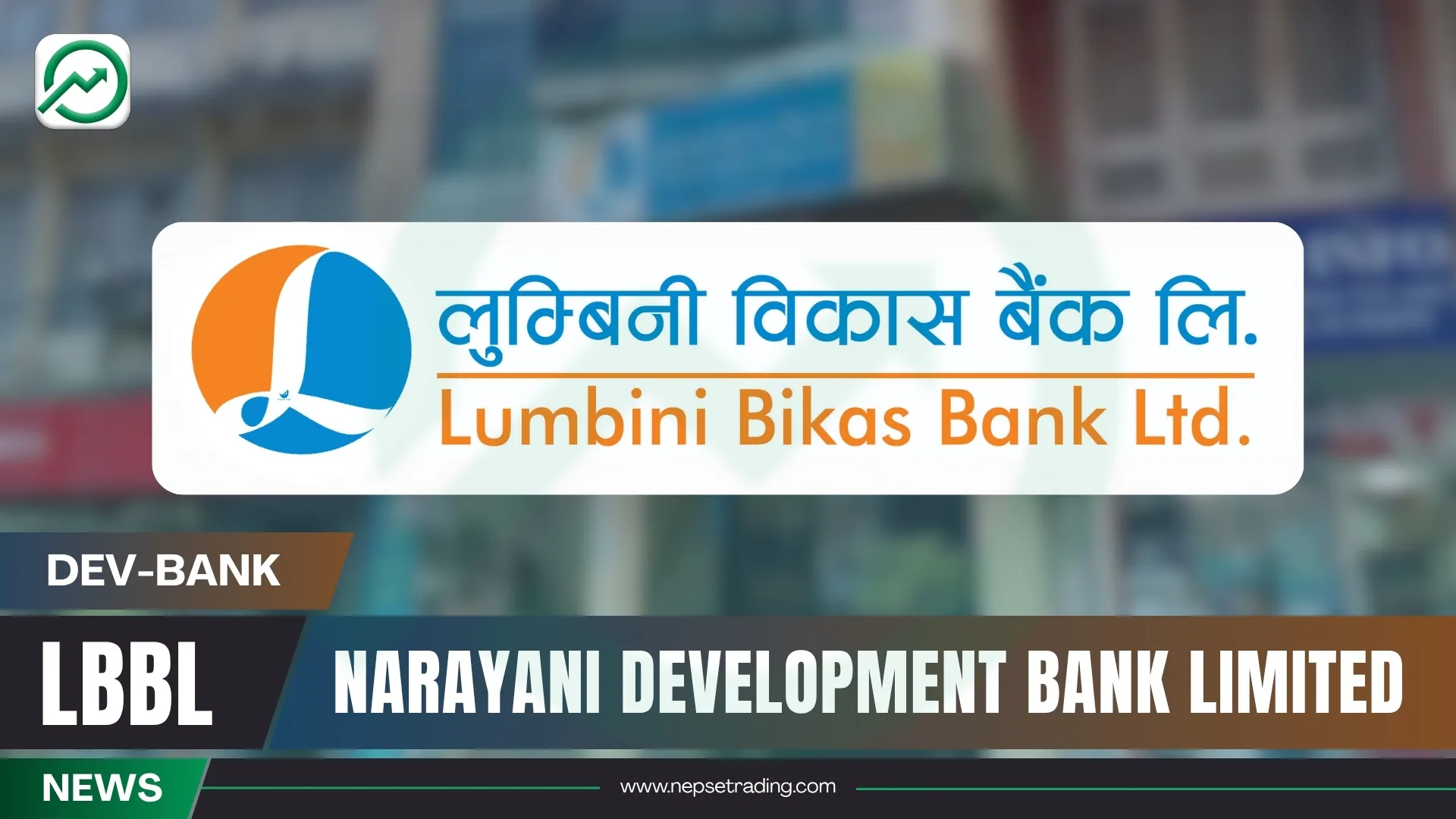
    Kathmandu, September — The first month of the fiscal year 2082/83 has given mixed signals for Nepal’s economy. Data published by Nepal Rastra Bank (NRB) shows encouraging trends in inflation, foreign exchange reserves, remittance inflows, and government revenue. Yet, concerns remain in areas such as sluggish private sector credit, reliance on imports, and weak capital expenditure.

    Inflation Under Control

    Consumer price index (CPI)-based inflation stood at 1.68 percent on an annual point-to-point basis. Compared to previous years, when inflation often exceeded 6–7 percent, the current figure appears much lower, giving relief to consumers. However, Nepal’s import dependency means global price shocks could quickly push inflation higher in the coming months.

    Foreign Exchange Reserves Strengthened

    Nepal’s foreign exchange reserves reached NPR 2.806 trillion (USD 20.03 billion), enough to cover 16.6 months of imports of goods and services. This indicates that Nepal’s external position remains stable and that the Nepali rupee faces no immediate pressure.

    Remittance Inflows at Record Levels

    In just one month, Nepal received NPR 177.41 billion in remittances, marking a nearly 30 percent increase in NPR terms (25 percent in USD). Migrant workers in Gulf countries and Malaysia continue to be the backbone of Nepal’s economy. While this surge provides liquidity and supports consumption, economists warn that heavy dependence on remittances makes the economy vulnerable to external shocks in host countries.

    Trade: Exports Rising, Imports Still Dominant

    Exports surged by 95.7 percent, while imports rose by 11.4 percent. The sharp rise in exports suggests renewed activity in industries such as garments, carpets, and agro-products. Still, the large import bill continues to overshadow export earnings, keeping the trade deficit a persistent problem.

    Government Revenue Surpasses Expenditure

    In Shrawan, the government mobilized NPR 84.47 billion in revenue while spending only NPR 46.31 billion. This resulted in a positive cash balance, a welcome sign for fiscal management. Yet, the slower pace of capital expenditure signals delays in development projects, which could weigh on long-term economic growth.

    Banking Sector: Deposits and Credit Decline

    Deposits at banks and financial institutions fell by 0.8 percent, and credit to the private sector contracted by 0.1 percent during the month. Year-on-year, however, deposits grew by 12.5 percent and credit by 8 percent. The short-term contraction suggests low demand for loans and cautious lending policies by banks, pointing to weak private investment sentiment.

    Interest Rates Remain Moderate

    The interbank interest rate averaged 2.75 percent, the 91-day Treasury Bill rate stood at 2.65 percent, while commercial banks’ average deposit rate was 4.02 percent and the lending rate was 7.76 percent. Despite relatively moderate rates, private sector borrowing has not picked up, showing that lower costs of credit alone are not enough to spur investment without confidence in the overall economy.

    The first month of FY 2082/83 highlights both strengths and weaknesses. On the positive side, Nepal has controlled inflation, strong foreign reserves, robust remittance inflows, and higher revenue collection. On the negative side, private sector credit is sluggish, deposit growth has slowed, imports remain high, and capital expenditure is weak.

    If remittance inflows remain strong and the government accelerates development spending, Nepal’s economy could gain momentum. But without stronger private investment and reduced reliance on imports, the stability seen in early indicators may not translate into sustainable growth.

    Trending News

    • Trending14 Jun, 2026

      असारमा वाणिज्य बैंकको मुद्दति ब्याजदर थप घट्यो, ७ बैंकले दर घटाए

      Read news
    • Trending14 Jun, 2026

      नेपालकै सबैभन्दा ठूलो सम्पत्ति शुद्धीकरण मुद्दा अदालत पुग्यो, एक खर्ब ६ अर्बभन्दा बढी बिगो दाबी

      Read news
    • Trending14 Jun, 2026

      अमेरिका–इरान शान्ति सम्झौता निर्णायक मोडमा, पाकिस्तानले भन्यो — '२४ घण्टामा हस्ताक्षर सम्भव'

      Read news

    Related News

  • असारमा वाणिज्य बैंकको मुद्दति ब्याजदर थप घट्यो, ७ बैंकले दर घटाए
    Investor

    1 min read

    असारमा वाणिज्य बैंकको मुद्दति ब्याजदर थप घट्यो, ७ बैंकले दर घटाए

    NEPSE TRADING

    ·

    14 Jun, 2026

  • नेपालकै सबैभन्दा ठूलो सम्पत्ति शुद्धीकरण मुद्दा अदालत पुग्यो, एक खर्ब ६ अर्बभन्दा बढी बिगो दाबी
    Investor

    4 min read

    नेपालकै सबैभन्दा ठूलो सम्पत्ति शुद्धीकरण मुद्दा अदालत पुग्यो, एक खर्ब ६ अर्बभन्दा बढी बिगो दाबी

    NEPSE TRADING

    ·

    14 Jun, 2026

  • अमेरिका–इरान शान्ति सम्झौता निर्णायक मोडमा, पाकिस्तानले भन्यो — '२४ घण्टामा हस्ताक्षर सम्भव'
    Top

    1 min read

    अमेरिका–इरान शान्ति सम्झौता निर्णायक मोडमा, पाकिस्तानले भन्यो — '२४ घण्टामा हस्ताक्षर सम्भव'

    NEPSE TRADING

    ·

    14 Jun, 2026

  • शेयर बजारमा जलविद्युत कम्पनी : अनुत्तरित प्रश्नहरूको भारले थिचिएको लगानीकर्ता
    Investor

    5 min read

    शेयर बजारमा जलविद्युत कम्पनी : अनुत्तरित प्रश्नहरूको भारले थिचिएको लगानीकर्ता

    NEPSE TRADING

    ·

    12 Jun, 2026

  • नेपालको पुँजी बजार : तीन दशकको यात्रा, अझै अधुरो सुधार
    Investor

    3 min read

    नेपालको पुँजी बजार : तीन दशकको यात्रा, अझै अधुरो सुधार

    Dipesh Ghimire

    ·

    12 Jun, 2026