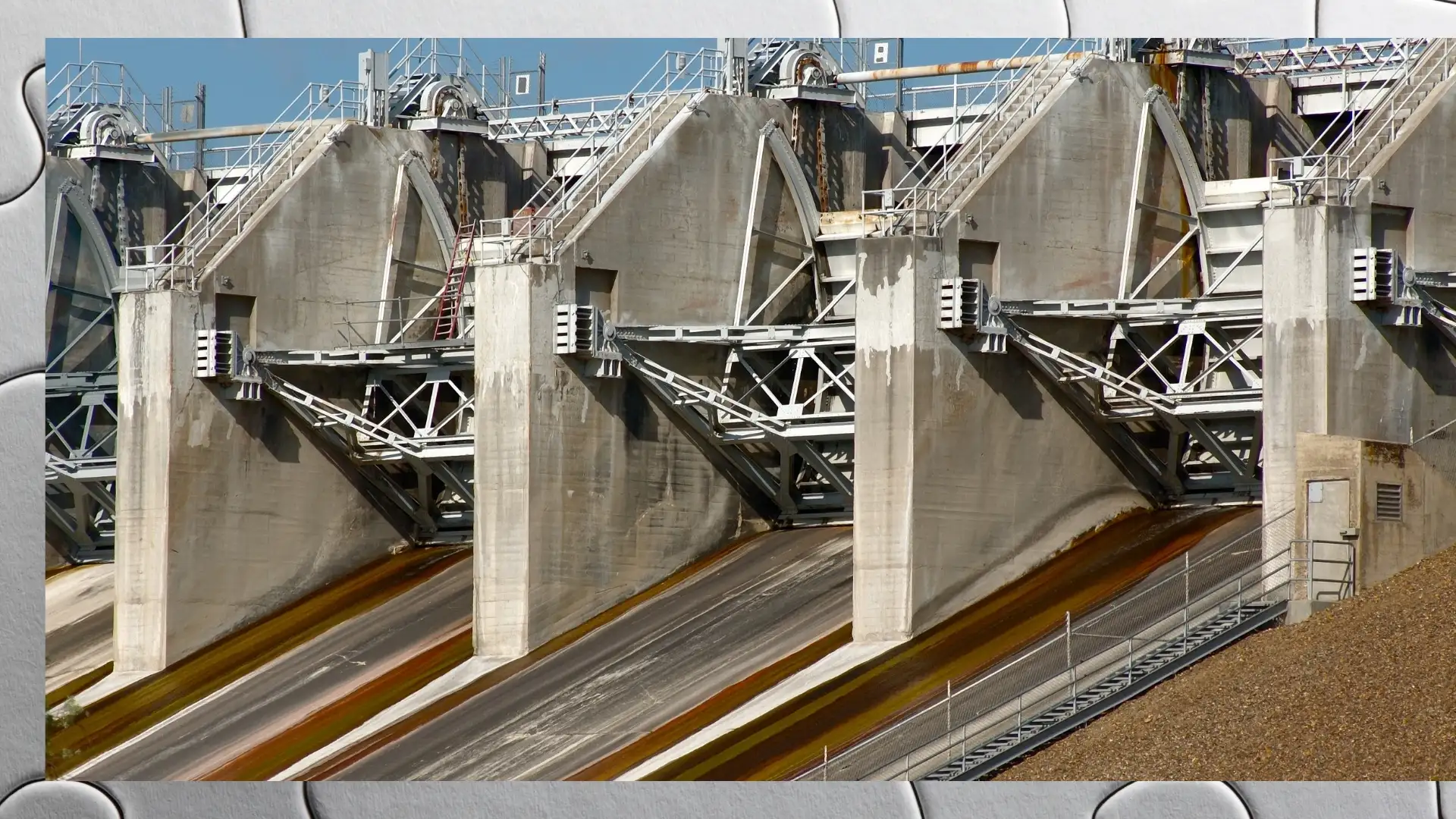
Nepal's energy development pipeline is expanding at a pace rarely seen before. The Department of Electricity Development issued survey licenses to 99 hydropower projects during the fiscal year 2082/83, with a combined capacity of 3,211 megawatts — a figure that underscores the growing momentum in the country's power sector.
Solar energy was not left behind either. Seven solar projects also received survey licenses during the same period, adding another 311 megawatts to the pipeline. Together, the two sectors represent a significant wave of new energy projects moving through the regulatory process.
Transmission infrastructure — often the forgotten bottleneck in Nepal's energy story — also saw notable movement. Survey licenses were granted for 179 circuit kilometers of 220 kV transmission lines, 270 circuit kilometers of 132 kV lines, and 132 circuit kilometers of 33 kV lines. Without this infrastructure, even the most ambitious generation projects cannot deliver electricity to homes and industries, making these approvals as important as the generation licenses themselves.
On the production license front, 29 hydropower projects and three solar projects crossed a critical regulatory milestone this year, receiving full generation licenses. Their combined capacities stand at 1,857 megawatts and 31 megawatts respectively — projects that are now legally cleared to move from planning into actual construction and operation.
Zooming out to the bigger picture, the department's cumulative record tells an even more striking story. To date, 264 hydropower projects holding generation licenses carry a total installed capacity of 12,336 megawatts. Solar projects with generation licenses number 10, with a combined capacity of 74.6 megawatts. On the transmission side, approvals now cover 1,097 circuit kilometers of 400 kV lines, 656 circuit kilometers of 220 kV lines, 1,608 circuit kilometers of 132 kV lines, and 337 circuit kilometers of 33 kV lines — a network that, when built, would fundamentally transform Nepal's ability to move power across the country.
Beyond megawatts and circuit kilometers, there is a financial dimension worth noting. The department collects approximately Rs 3.5 billion in royalties annually from energy projects. This revenue is distributed to provincial and local governments, directly funding grassroots development in communities that often host these projects in remote hills and river valleys. Department Director General Mandevi Shrestha highlighted this as a meaningful link between large-scale energy development and tangible local benefit.
What the data collectively signals is a country that is moving — perhaps faster than its own infrastructure can absorb — toward becoming a serious energy producer. The challenge now is not licenses on paper, but steel in the ground, wires in the air, and electricity reaching consumers and export markets on time.