NEPSEtrading

Live NEPSE data, charts, broker analysis and portfolio tools for investors in Nepal.

Subscribe to our newsletter

Weekly insights from the NEPSE market in your inbox.

Marketminds Investment Group Private Limited

Registration
DOIB certificate no. 4680-2081/2082
Editor-in-chief
Dipesh Ghimire, Director
9802363868, 9851119988
Office
Koteshwor 32, Kathmandu
Phone
01-5253221, +977 9709066745
Email

Contact support

Market

  • Stocks
  • Sectors

Company

  • About Us
  • Our Team
  • Terms of Use
  • Our Policy
  • Training
  • Contact Us

Help

  • Support
  • Report
  • FAQ

Get the app

Markets, signals and alerts on your phone.

Get it onGoogle Play

More from NEPSE Trading

  • Stock EducationFree share market courses
  • EconomyNepal and world economic data
  • BFIS CompareBank rates, loans and insurance
  • Nepal's CapitalsMutual fund NAV and dividends
  • JobsNepalJobs in Nepal

nepsetrading.com is an online news portal that provides insights into trading and investment by analyzing the stock market and the global economy. We create charts based on the analysis of various indicators. Please do not rely solely on this information for investment decisions. Self-study is crucial. Use this information only as an educational and informational resource.

© 2026 nepsetrading.com. All rights reserved. Owned and operated by Marketminds Investment Group Private Limited.·Charts powered by TradingView

  • Portfolio
  • Explore
  • Calendar
  • Chart
  • Social
  • News
  • Account
  1. News
  2. Stock
  3. Rising Bad Loans Signal Deeper Risks in Nepal’s Banking Sector

बैंकको खराब कर्जा बढ्यो, वास्तविक जोखिम अझै गहिरो हुनसक्ने संकेतRising Bad Loans Signal Deeper Risks in Nepal’s Banking Sector

NEPSE TRADINGPublished on August 16, 20262 min read
बैंकको खराब कर्जा बढ्यो, वास्तविक जोखिम अझै गहिरो हुनसक्ने संकेत

काठमाडौं — नेपाली बैंकिङ क्षेत्रमा खराब कर्जाको दबाब थप बढेको छ। आर्थिक वर्ष २०८२/८३ को चौथो त्रैमाससम्म २० वाणिज्य बैंकको औसत निष्क्रिय कर्जा (एनपीएल) ५.४४ प्रतिशत पुगेको छ। अघिल्लो वर्ष यस्तो अनुपात ४.६ प्रतिशत थियो। कर्जा विस्तार सुस्त रहेको अवस्थामा समेत खराब कर्जा बढ्नुले बैंकहरूको सम्पत्तिको गुणस्तर र कर्जा असुली क्षमतामा चुनौती थपिएको देखाएको छ।

बैंकहरूको प्रकाशित तथ्यांकभन्दा वास्तविक कर्जा जोखिम अझ बढी हुनसक्ने संकेत अध्ययनहरूले गरेका छन्। इक्रा नेपालको अध्ययनअनुसार भाखा नाघिसकेको तर अझै खराब कर्जाका रूपमा वर्गीकरण नभएको कर्जा १५ देखि २५ प्रतिशतसम्म हुनसक्ने देखिएको छ। पुनर्संरचना र पुनर्तालिकीकरण गरिएको कर्जा पनि उल्लेख्य रहेकाले हाल देखिएको एनपीएलले मात्र बैंकिङ क्षेत्रको पूर्ण जोखिम नदेखाउने अध्ययनको निष्कर्ष छ।

खराब कर्जाको दबाब सबैभन्दा बढी प्रभु बैंकमा देखिएको छ। बैंकको एनपीएल एक वर्षमै ७.०१ प्रतिशतबाट बढेर १५.५५ प्रतिशत पुगेको छ। त्यसपछि एनआईसी एशिया बैंकको ९.२६ प्रतिशत, नेपाल इन्भेस्टमेन्ट मेगा बैंकको ८.६६ प्रतिशत, हिमालयन बैंकको ७.९६ प्रतिशत र कुमारी बैंकको ७.४६ प्रतिशत एनपीएल रहेको छ।

२० वाणिज्य बैंकमध्ये अधिकांशको खराब कर्जा बढेको छ। एनआईएमबी, सिद्धार्थ, सिटिजन्स, लक्ष्मी सनराइज, एनएमबी, प्राइम, कुमारीलगायत बैंकमा एनपीएल बढेको छ। यद्यपि नेपाल एसबीआई, नेपाल बैंक, नबिल र सानिमा बैंकले भने खराब कर्जा घटाउन सफल भएका छन्।

बैंकिङ क्षेत्रमा बढ्दो खराब कर्जासँगै गैरबैंकिङ सम्पत्ति पनि बढ्दै गएको छ। धितो बिक्रीबाट कर्जा असुली गर्न कठिन भएपछि बैंकहरूले सकार गरेको सम्पत्ति बढेको हो। इक्रा नेपालको अध्ययनअनुसार बैंकहरूको गैरबैंकिङ सम्पत्ति सन् २०२४ को सुरुवातमा करिब ११ अर्ब रुपैयाँ रहेकोमा २०२६ अप्रिलसम्म ५४ अर्ब रुपैयाँ पुगेको छ।

खराब कर्जा बढ्नुमा आर्थिक गतिविधिमा आएको सुस्तता, व्यवसायको कमजोर नगद प्रवाह, घरजग्गा कारोबारमा आएको मन्दी र चालू पुँजी कर्जा व्यवस्थापनमा भएको कडाइलाई मुख्य कारणका रूपमा हेरिएको छ। विगतमा सहज रूपमा प्रयोग भएको चालू पुँजी कर्जाको उपयोगमा कडाइ भएपछि कमजोर व्यवसाय भएका ऋणीमाथि भुक्तानी दबाब बढेको देखिएको छ।

अर्कोतर्फ बैंकिङ प्रणालीमा तरलता पर्याप्त भए पनि कर्जा माग कमजोर रहेको छ। ब्याजदर घट्दा पनि व्यवसायी तथा लगानीकर्ताको आत्मविश्वास कमजोर भएकाले कर्जा विस्तार अपेक्षाअनुसार हुन सकेको छैन। यसले बैंकहरूमा लगानीयोग्य रकम थुप्रिएको तर नयाँ कर्जाको माग कमजोर रहेको अवस्था सिर्जना गरेको छ।

खराब कर्जा बढ्दा बैंकहरूको नाफा र पुँजीमा समेत दबाब पर्न सक्छ। कर्जा नोक्सानी व्यवस्थापनका लागि थप प्रोभिजन गर्नुपर्ने भएकाले वितरणयोग्य नाफा घट्न सक्ने जोखिम हुन्छ। लामो समयसम्म एनपीएल उच्च रहेमा कमजोर पुँजी आधार भएका बैंकका लागि चुनौती थपिन सक्छ।

हालको अवस्था हेर्दा बैंकिङ क्षेत्रको मुख्य समस्या तरलता अभावभन्दा पनि कर्जाको गुणस्तर र असुलीमा केन्द्रित देखिएको छ। प्रभु बैंकको उच्च एनपीएलदेखि समग्र प्रणालीमा बढ्दो जोखिमले बैंकहरूलाई नयाँ कर्जा विस्तारभन्दा पुरानो कर्जाको व्यवस्थापन र जोखिम नियन्त्रणमा बढी ध्यान दिनुपर्ने अवस्था देखाएको छ।


Kathmandu — Pressure from rising bad loans has intensified in Nepal’s banking sector, with the asset quality of commercial banks coming under increasing strain. According to the unaudited financial statements for the fourth quarter of fiscal year 2082/83, the average non-performing loan (NPL) ratio of 20 commercial banks has increased to 5.44 percent from 4.6 percent a year earlier.

The rise in bad loans despite weak credit expansion indicates growing challenges in loan recovery and the quality of banking assets. Banks have not experienced strong lending growth in recent periods, yet the increase in NPLs suggests that repayment capacity among borrowers has weakened.

A recent study by ICRA Nepal indicates that the actual credit risk in the banking system could be higher than the officially reported NPL figures. The study estimates that overdue loans not yet classified as bad loans may account for around 15 to 25 percent of total lending. In addition, restructured and rescheduled loans also represent a significant portion of banks’ portfolios, suggesting that reported NPL figures alone may not reflect the full extent of credit stress.

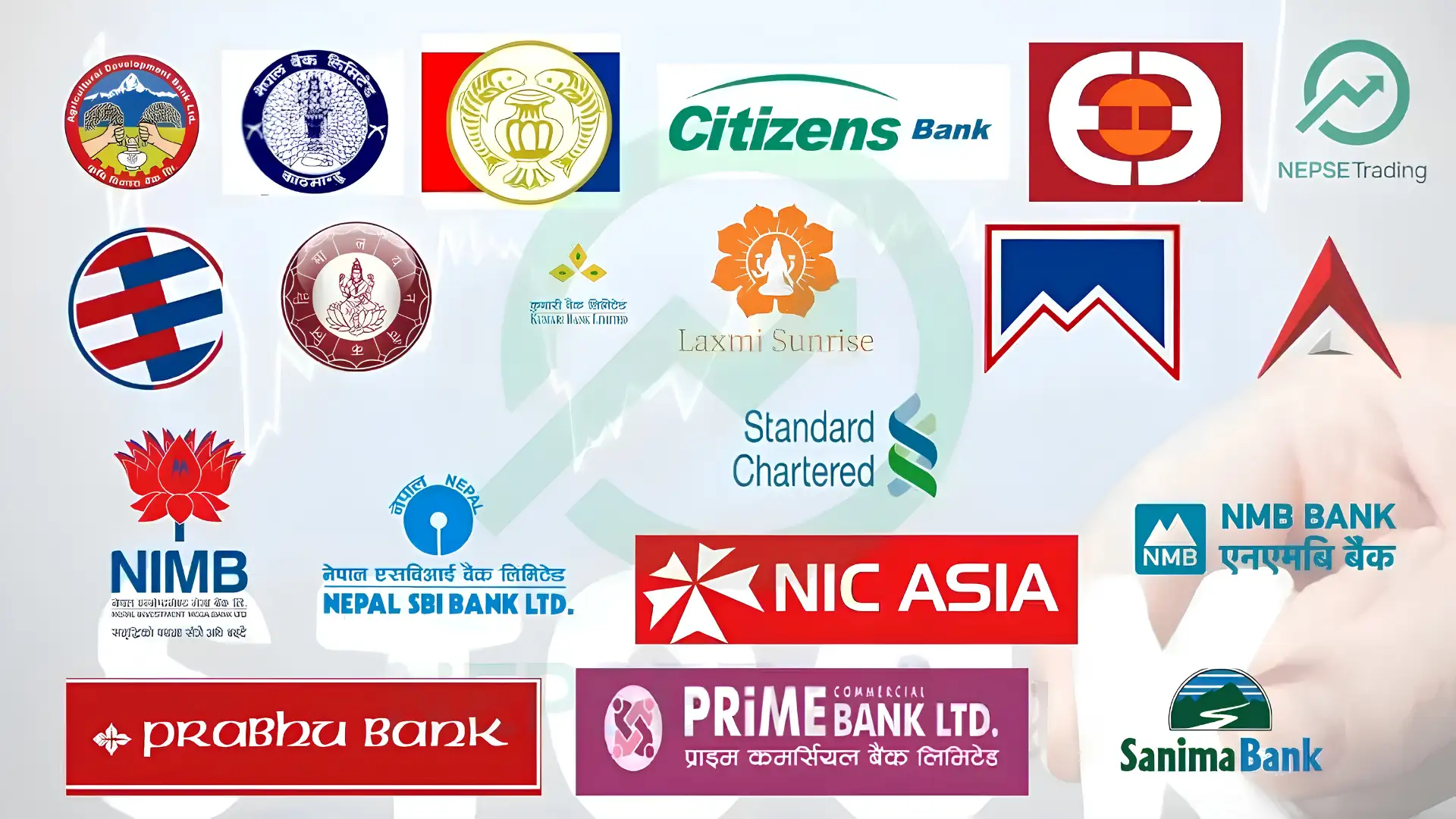
Among commercial banks, Prabhu Bank has recorded the highest level of bad loans. Its NPL ratio increased sharply from 7.01 percent in the previous year to 15.55 percent. NIC Asia Bank followed with an NPL ratio of 9.26 percent, Nepal Investment Mega Bank at 8.66 percent, Himalayan Bank at 7.96 percent and Kumari Bank at 7.46 percent.

Most commercial banks have witnessed an increase in bad loans during the review period. NPL ratios increased at banks including NIMB, Siddhartha Bank, Citizens Bank, Laxmi Sunrise Bank, NMB Bank, Prime Bank and Kumari Bank. However, some institutions, including Nepal SBI Bank, Nepal Bank, Nabil Bank and Sanima Bank, managed to reduce their non-performing loans.

The increase in bad loans has also affected banks’ non-banking assets (NBA), as lenders have increasingly taken over collateral assets due to difficulties in loan recovery. According to ICRA Nepal’s assessment, banks’ non-banking assets increased from around Rs 11 billion in January 2024 to Rs 54 billion by April 2026. The slowdown in the real estate market has made it difficult for banks to sell seized properties and recover outstanding loans.

The deterioration in loan quality has been linked to slower economic activity, weak business cash flows, challenges in the real estate sector and stricter implementation of working capital loan guidelines. While the new lending framework has improved monitoring of loan utilisation, businesses facing declining sales and cash flow problems have come under greater repayment pressure.

At the same time, Nepal’s banking system is facing a unique situation where liquidity remains comfortable but credit demand is weak. Although interest rates have declined, businesses and investors have remained cautious due to lower confidence and subdued economic activity. As a result, banks have sufficient funds available but are struggling to expand quality lending.

Rising bad loans could put pressure on banks’ profitability and capital strength. Higher loan-loss provisioning requirements may reduce net profits and distributable earnings. If asset quality continues to weaken, banks with relatively weaker capital positions could face additional challenges.

The current situation indicates that the major challenge for Nepal’s banking sector is no longer liquidity shortage but credit quality, recovery and hidden risks within loan portfolios. The sharp rise in Prabhu Bank’s NPL and increasing system-wide credit stress suggest that banks and regulators will need to focus more on strengthening recovery mechanisms, improving borrower cash flow and maintaining adequate risk provisions rather than only expanding new lending.

Trending News

  • आईपीओ निष्काशनको प्रस्ताव पारित गर्न हिमालयन इनर्जीले बोलायो साधारण सभाHimalayan Energy Calls AGM to Endorse IPO Issuance Proposal

    NEPSE TRADING25 Nov, 2026

  • तेह्रथुम पावरको नवौँ वार्षिक साधारण सभा पुस १८ माTerhathum Power Company Calls 9th AGM for Poush 18

    NEPSE TRADING25 Nov, 2026

  • नागरिक स्टक डिलरको सातौँ वार्षिक साधारण सभा पुस १७ माNagarik Stock Dealer's 7th AGM Scheduled for Poush 17

    NEPSE TRADING25 Nov, 2026

Related News

  • आईपीओ निष्काशनको प्रस्ताव पारित गर्न हिमालयन इनर्जीले बोलायो साधारण सभाHimalayan Energy Calls AGM to Endorse IPO Issuance Proposal
  • तेह्रथुम पावरको नवौँ वार्षिक साधारण सभा पुस १८ माTerhathum Power Company Calls 9th AGM for Poush 18
  • नागरिक स्टक डिलरको सातौँ वार्षिक साधारण सभा पुस १७ माNagarik Stock Dealer's 7th AGM Scheduled for Poush 17
  • हिम पर्वत हाइड्रोपावरले मंसिर १८ देखि सर्वसाधारणका लागि आईपीओ खोल्नेHim Parvat Hydropower to Open IPO for General Public on Mangsir 18
  • दुई कम्पनीको लाभांश सुरक्षित गर्ने आज अन्तिम दिनToday is the Final Day to Secure Dividends from Two Companies