Budget 2084/84
Budget Targets 7% Economic Growth, Vows Structural Reform of the Economy
Finally, the Finance Minister made a heartfelt appeal to all political parties, the private sector, workers, farmers, youths, entrepreneurs, migrant Nepalis, and all citizens to support the nation-building journey that the budget is set to lead, with a shared spirit of civil dialogue, collaboration, meaningful participation, and national unity.
Dipesh Ghimire
2 min read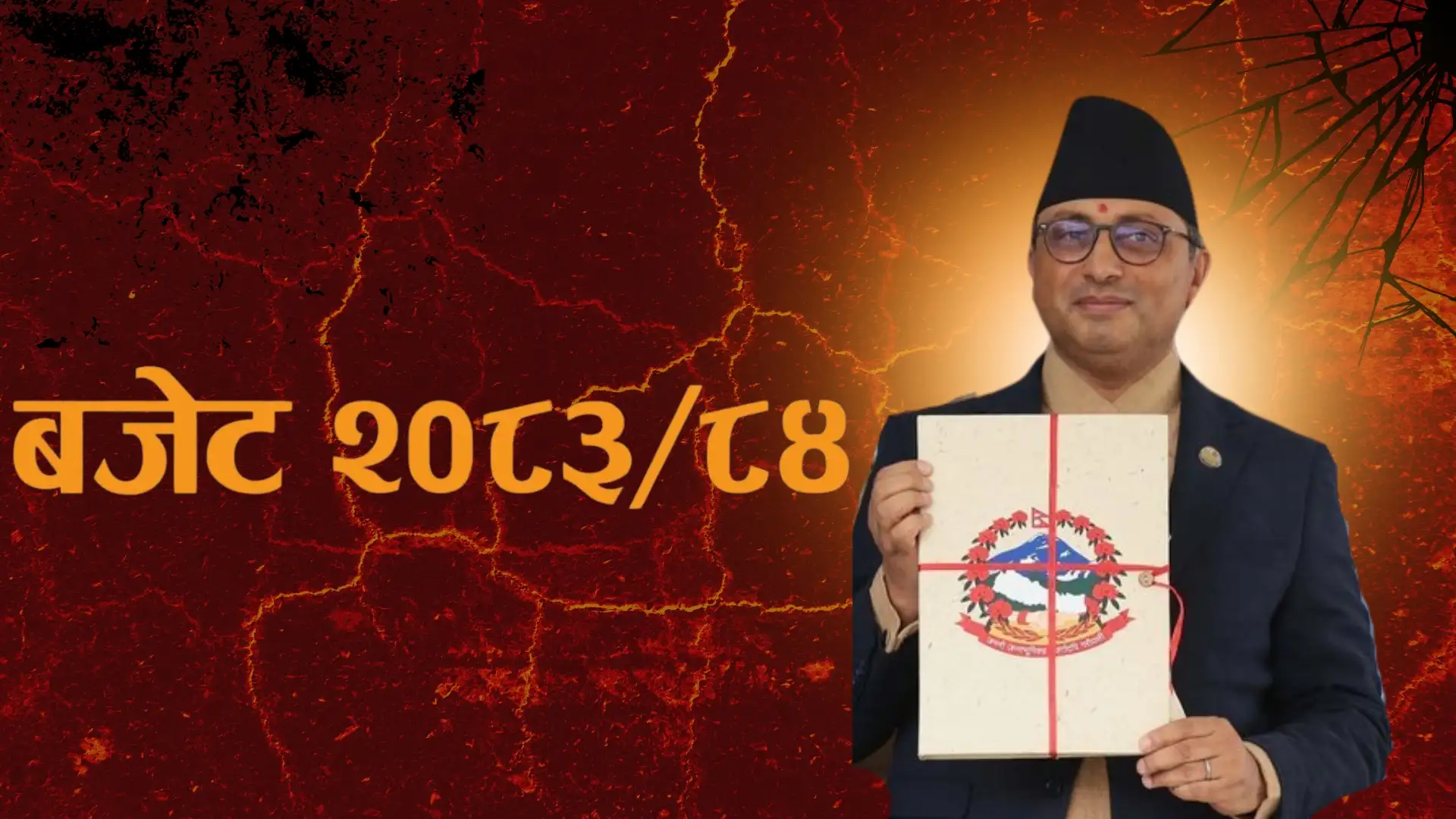
Kathmandu — Concluding his budget speech, Finance Minister Dr. Swarnim Wagle described the budget for the fiscal year 2083/84 as a starting point for implementing a new vision for running the state, a clear roadmap for economic transformation, and a political contract made with citizens.
Wagle said the budget seeks to redefine the role of the state not merely as a controller and regulator, but as an institution that creates opportunity, with the goal of building a foundation for good governance, the rise of the middle class, productive employment, a competitive economy, and a dignified life. He said the budget has begun a new phase of structural reform in the economy by advancing energy, agriculture, forests, industry, tourism, information technology, and human capital as the sectors that will drive economic prosperity over the coming decade.
The Finance Minister said the budget has laid the foundation for establishing order in governance, restoring the private sector's confidence, making the public service delivery mechanism technology-friendly and accountable, and starting a new economic cycle based on production, innovation, and entrepreneurship. He said the tax system has been made simple, equitable, and production-oriented, and public expenditure frugal and result-oriented.
Wagle said he believes that, as a result of these reform and transformation programmes, economic growth of 7 percent will be achieved in the upcoming fiscal year, while the inflation rate will be kept within 6 percent. He said Nepal Rastra Bank will issue a monetary policy to support the implementation of the policy reforms and programmes announced in the budget. He expressed confidence that the honest implementation of these programmes — focused on good governance, integrity, and equitable prosperity — will transform Nepal into a well-governed, prosperous, and dignified nation within the next five years, achieving most of the targets of the Sixteenth Plan and the Sustainable Development Goals.
The Finance Minister expressed heartfelt gratitude to the President, the Prime Minister, the Speaker, the Chairperson, and the leadership of political parties for their guidance in formulating the budget. He also thanked lawmakers, the private sector, workers, farmers, youths, development partners, civil servants, the expert community, the media, and all Nepalis for their constructive suggestions, factual analysis, and cooperative support during the budget's preparation.
Wagle said nation-building is not the responsibility of the government alone, but a shared resolve, collective determination, common effort, and joint campaign among the state, the private sector, and civil society. He said the budget is not merely a technical presentation of figures, nor only an "economic-political document," but a reliable map of the development path that a government — entrusted with governing responsibility through the people's heartfelt trust — will build to reform and uplift the country. He said that if the document fails to connect with citizens' hearts, its words and numbers, however correct, will remain lifeless. He said citizens' goodwill, support, and cooperation are the government's imperishable capital, which it will always remain committed to protecting and enhancing.
Finally, the Finance Minister made a heartfelt appeal to all political parties, the private sector, workers, farmers, youths, entrepreneurs, migrant Nepalis, and all citizens to support the nation-building journey that the budget is set to lead, with a shared spirit of civil dialogue, collaboration, meaningful participation, and national unity.
Advertisement
Written by
Dipesh Ghimire