Top
Gold and Silver Prices Hit Record Highs in Nepal Amid Economic Uncertainty
Gold and Silver Prices Hit Record Highs in Nepal Amid Economic Uncertainty Gold prices in Nepal have continued their upward trajectory over the past few months, breaking all previous records in the domestic market. On Tuesday, Poush 8, the price of gold crossed NPR 267,000 per tola, marking the highest level ever recorded in the country. Silver prices also followed a similar trend, climbing steadily to reach NPR 4,255 per tola. The simultaneous surge in both precious metals reflects growing volatility in global and domestic economic conditions.
Dipesh Ghimire
2 min read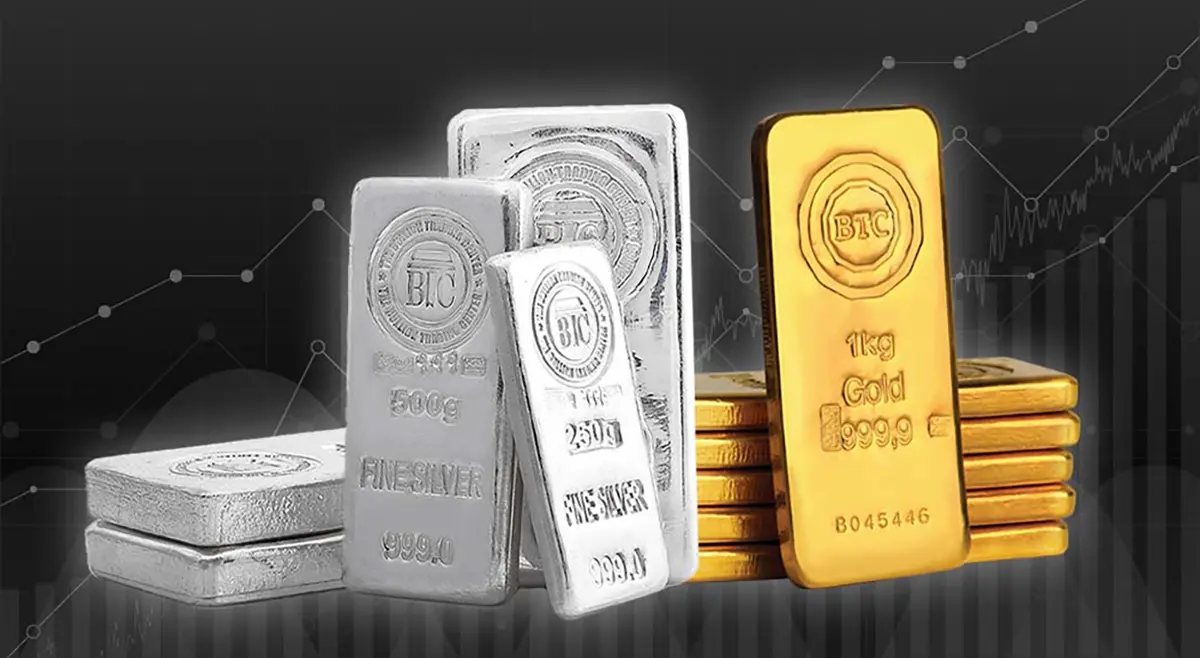
Gold prices in Nepal have continued their upward trajectory over the past few months, breaking all previous records in the domestic market. On Tuesday, Poush 8, the price of gold crossed NPR 267,000 per tola, marking the highest level ever recorded in the country. Silver prices also followed a similar trend, climbing steadily to reach NPR 4,255 per tola. The simultaneous surge in both precious metals reflects growing volatility in global and domestic economic conditions.
Market analysts attribute the persistent rise in gold and silver prices largely to developments in the international market. Global economic uncertainty, fluctuations in major currencies, and geopolitical tensions have increased investor interest in safe-haven assets. Although the US dollar has strengthened in the international market in recent weeks, gold prices in Nepal have continued to rise, indicating that local factors are playing an equally important role.
Traders point out that gold is increasingly viewed as a secure and profitable investment option by Nepali investors. As confidence in conventional investment avenues weakens, demand for physical assets such as gold has grown. Higher demand, coupled with limited supply, has directly pushed prices upward. Additionally, the appreciation of the US dollar has made imports more expensive, further contributing to the rise in domestic gold prices, as Nepal relies entirely on imports for precious metals.
Political uncertainty within the country has also influenced investor behavior. Recent movements, growing political instability, and uncertainty surrounding upcoming elections have encouraged investors to seek safer alternatives. In such an environment, gold is widely perceived as a stable store of value. According to traders, whenever uncertainty deepens in the economy or governance, demand for gold rises sharply, exerting upward pressure on prices.
Another key factor driving the shift toward gold investment is the relatively low return offered by the banking sector. Data from Nepal Rastra Bank shows that in Kartik 2082, the weighted average deposit interest rate of commercial banks stood at just 3.74 percent. Development banks offered an average of 4.32 percent, while finance companies provided around 5.47 percent. These modest returns have reduced the attractiveness of bank deposits for investors seeking higher yields.
At the same time, lending rates remain comparatively high. During the same period, the average base rate of commercial banks was 5.44 percent, while development banks and finance companies recorded base rates of 7.74 percent and 8.39 percent respectively. The weighted average lending rates stood at 7.38 percent for commercial banks, 8.66 percent for development banks, and 10.05 percent for finance companies. This imbalance between deposit and lending rates has discouraged savings while increasing the appeal of alternative investments like gold.
Experts believe that unless there is greater stability in the economy and a meaningful improvement in returns from financial institutions, the demand for gold is likely to remain strong. With global uncertainties still unresolved and domestic confidence fragile, precious metals are expected to continue attracting investors looking to protect their wealth from inflation, currency risks, and market instability.
Advertisement
Written by
Dipesh Ghimire