SEBON
Navigating the Digital Minefield: SEBON Warns Investors Against AI Deepfakes and 'Finfluencers'
Ultimately, SEBON’s message is clear: in an era where digital deception is becoming highly sophisticated, due diligence is an investor's strongest shield. For authentic information, the board has requested market participants to rely exclusively on official portals of SEBON, NEPSE, CDSC, Nepal Rastra Bank, the Nepal Insurance Authority, and the Ministry of Finance.
Dipesh Ghimire
2 min read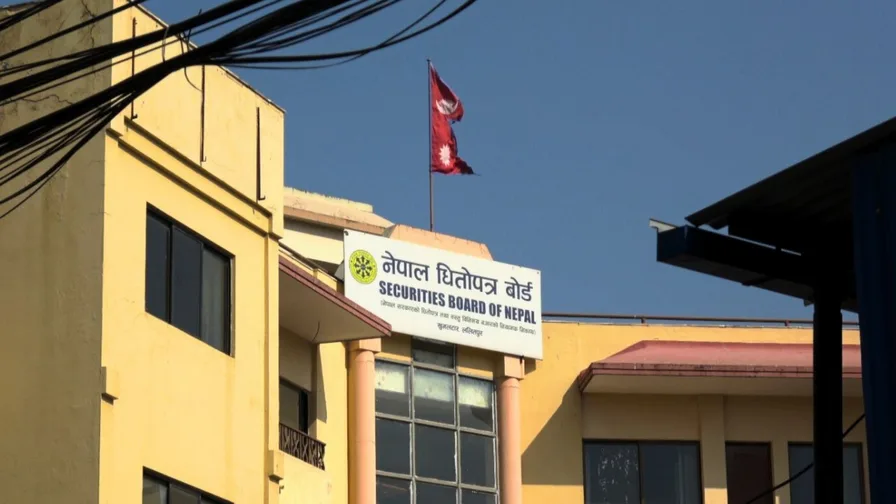
As Nepal’s capital market becomes increasingly intertwined with digital platforms, the Securities Board of Nepal (SEBON) has issued a stern advisory urging investors to remain vigilant against a new wave of modern threats: Artificial Intelligence (AI) generated misinformation, deepfakes, and self-proclaimed financial influencers, widely known as "finfluencers."
In an unprecedented move, the regulatory body cautioned the public that malicious actors are increasingly deploying AI tools, voice cloning, and synthetic identities to manipulate stock prices and defraud unsuspecting investors. The regulatory board strongly advised against making financial decisions based on viral social media content, unverified stock recommendations, or sensationalized videos across platforms like Facebook, X (formerly Twitter), Clubhouse, TikTok, YouTube, and Instagram.
This critical warning comes as SEBON marks the 'World Investor Week 2026', a global campaign initiated by the International Organization of Securities Commissions (IOSCO). Observed in Nepal from Ashoj 19 to 25, this year’s campaign is anchored by the theme, "Invest in your future, protect it today." In collaboration with the Nepal Stock Exchange (NEPSE), CDSC, stockbrokers, and credit rating agencies, the board is rolling out a nationwide financial literacy campaign heavily focused on digital fraud awareness, capacity building, and youth engagement.
Analyzing the current market psychology, SEBON has underscored the danger of the "herd mentality." Regulators noted that chasing abnormal returns promised by online groups or succumbing to the pressure of quick decision-making often leads to catastrophic financial losses. Instead of relying on speculative social media posts, SEBON has directed investors to ground their decisions in official disclosures, financial statements, dividend histories, and corporate governance reports.
For market novices and students, the board suggests a cautious entry. Regulators recommend starting with the primary market (IPOs) or mutual funds while thoroughly studying a company's prospectus, management background, and credit ratings. Furthermore, SEBON strictly warned against borrowing high-interest loans to channel into the volatile equity market, a practice that can severely cripple an investor's long-term financial health.
Beyond company-specific fundamentals, SEBON's advisory highlighted the necessity of macroeconomic literacy. Investors were urged to keep a close watch on inflation rates, banking system liquidity, interest rate fluctuations, and the broader political landscape, all of which directly dictate the trajectory of the secondary market.
Simultaneously, with the rise of digital trading, cybersecurity has been placed at the forefront of SEBON's guidelines. Investors are strongly advised to fortify their Bank, Demat, and Trade Management System (TMS) accounts with robust, unique passwords and mandatory Two-Factor Authentication (2FA). The board reiterated that all transactions must strictly flow through the formal banking channels via licensed brokers.
In its comprehensive directive, SEBON also took aim at traditional market malpractices, warning players against insider trading, cornering, and engineering unnatural price volatility. The board urged the public to clearly differentiate between legitimate financial consultations and paid promotional advertisements masked as objective advice.
Ultimately, SEBON’s message is clear: in an era where digital deception is becoming highly sophisticated, due diligence is an investor's strongest shield. For authentic information, the board has requested market participants to rely exclusively on official portals of SEBON, NEPSE, CDSC, Nepal Rastra Bank, the Nepal Insurance Authority, and the Ministry of Finance.
Advertisement
Written by
Dipesh Ghimire